
Why Choose Local Experts for Farmersville Land Clearing Services?

Comprehensive Guide to Land Clearing in Texas

Were you aware Texas contains over 171 million acres of land, yet much remains undeveloped? This vast tract of land is ripe for transformation through land clearing. As property owners seek to unlock their land’s value, understanding the intricacies of land clearing is vital. In Texas, where landscapes and land uses vary greatly, proficient land preparation is more than a job—it’s the secret to unlocking productive land development. Whether you’re starting a new construction, agriculture, or simply want to improve your lot, clearing services are necessary. This guide will walk you through the critical steps of site clearing, guaranteeing your property reaches its full potential with efficient land clearing near me and preparation strategies.

Key Observations

  • Texas has extensive land waiting to be transformed.
  • Land clearing is crucial for turning properties into functional spaces.
  • Efficient land preparation elevates land value and usability.
  • Knowing the different clearing services is critical for project success.
  • Tree removal is a integral part of the land clearing process.

Grasping Land Clearing in Texas

Land clearing is a critical step in preparing land for construction, agriculture, or recreational use. It involves removing vegetation, debris, and obstacles. This process provides land a clean start. Familiarity of land clearing in Texas helps property owners, developers, and farmers make more informed decisions for their projects.

What is Land Clearing?

Land clearing removes unwanted vegetation and obstacles to make land usable. It includes felling trees and bushes, as well as removing underground obstructions like roots. This guarantees the land is ready for construction or agriculture.

Importance of Land Clearing for Development

Land clearing is essential for development. It removes hazards and enhances land access. It makes the ground level and free of obstacles, perfect for building or farming. Using professional Texas land clearing services ensures the process is done right and meets environmental standards.

Common Land Clearing Techniques

Land clearing encompasses various methods tailored for diverse projects and settings. Recognizing these techniques aids landowners in selecting the most suitable approach for their needs. Below, we explore mechanical clearing, manual clearing, and forestry Mulching, each with its own benefits.
Tx17

Mechanical Clearing Methods

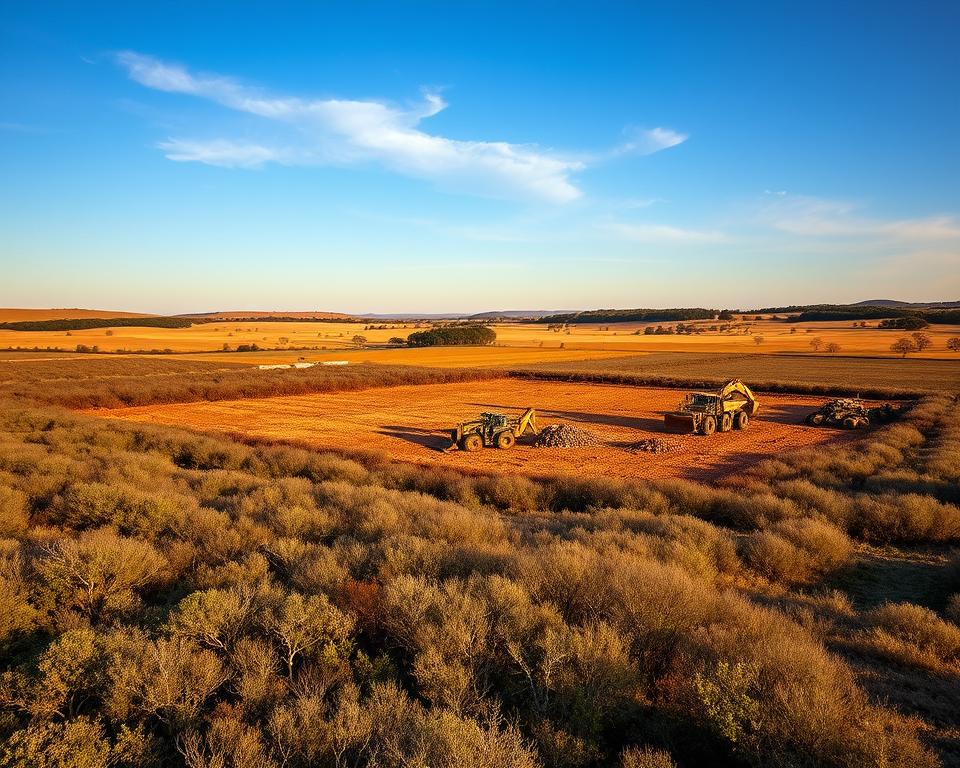
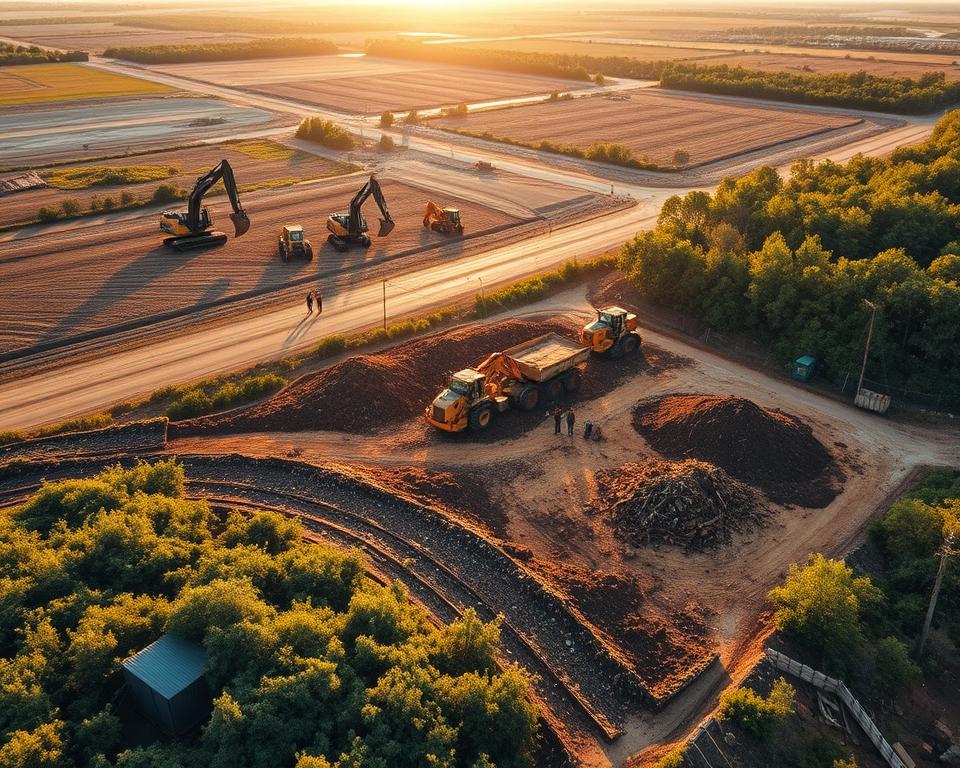
Mechanical clearing leverages heavy machinery, like bulldozers and excavators, for speedy clearing of large areas. It’s extremely efficient for commercial projects or when significant land changes are required.

Manual Clearing Techniques

Manual clearing employs hand tools for smaller areas or projects requiring careful handling. It minimizes environmental disruption, making it perfect for eco-sensitive zones. Workers use tools like saws and axes to meticulously remove vegetation, offering a detailed approach.

Forestry Mulching and Its Benefits

Forestry Mulching offers an eco-friendly alternative for land clearing. It grinds vegetation into mulch, which enhances soil quality and suppresses weeds. The mulch acts as a organic ground cover, enhancing soil health and preventing erosion. This technique accelerates site preparation and limits regrowth by disrupting root systems.

Technique Description Best Use Cases
Mechanical Clearing Uses heavy machinery to clear large areas quickly. Extensive plots, commercial development.
Manual Removal Involves hand tools for precision and minimal environmental impact. Eco-sensitive zones, smaller areas.
Silvicultural Mulching Grinds vegetation into mulch for soil enrichment. Site preparation, erosion control.

Steps Included in the Land Clearing Process

Understanding the various stages in the land clearing process is essential for effective management and successful project execution. Each step contributes to achieving a well-prepared site, allowing for safe and efficient development. Below are the key phases involved in this process.

Site Preparation and Evaluation

The first stage of land clearing involves thorough site preparation. Evaluating the land’s condition helps identify existing obstacles that must be removed. Professionals assess tree density, brush presence, and any environmental concerns during this phase. This meticulous planning is vital for outlining an effective strategy.

Tree and Brush Removal Strategies

Once site preparation is complete, teams implement various tree and brush removal strategies. Color-coding trees helps distinguish between those to keep and those to remove. Combining mechanical techniques with manual approaches ensures unwanted vegetation is removed while preserving desirable trees.

Stump Grinding and Disposal Methods

The final step involves stump grinding or complete stump removal. Professionals handle this task to ensure safety and minimize disruption to underground utilities. Stumps can be disposed of by hauling them away or, where permitted, burning on-site. Proper disposal guarantees compliance with environmental guidelines while keeping the area neat and ready for future development.

Land Clearing Costs and Budgeting

Understanding land clearing costs is essential for anyone embarking on a clearing project. Several factors affect these expenses, making budgeting crucial to avoid financial surprises. Knowing what contributes to these costs helps set realistic budgets and manage resources wisely.

Factors Influencing Land Clearing Costs

Several factors determine overall land clearing costs, including:

  • Size of the Area: Larger areas with dense vegetation require more time, labor, and equipment, raising costs.
  • Type of Vegetation: Hardwoods and thick brush demand more effort and specialized machinery for removal.
  • Clearing Method: Mechanical methods involve heavy equipment that can elevate costs, while manual techniques may be more affordable but labor-intensive.
  • Disposal Options: Handling of cleared material—whether by burning, chipping, or hauling—adds to project expenses.

Budgeting for Land Clearing Projects

Accurate budgeting for land clearing projects is crucial. To ensure financial preparedness, individuals should:

  1. Estimate equipment rental and labor fees based on the chosen clearing method.
  2. Account for necessary permits and regulatory fees.
  3. Consider additional costs such as site restoration post-clearing.
  4. Include contingencies for unexpected challenges during the project.

Permit Requirements for Land Clearing in Texas

Understanding the rules for permits for land clearing in Texas is key for any development project. Local laws dictate how and when land clearing can occur, focusing on environmental issues like soil erosion and habitat protection. Familiarity with these Texas regulations is crucial for compliance and avoiding legal trouble.

Understanding Local Regulations

Every municipality has its own set of rules for land clearing. These laws cover methods used and environmental impact. It’s imperative to be familiar with these regulations to ensure land clearing compliance and protect local ecosystems.

Obtaining Necessary Permits

Before starting any land clearing, check if permits are required. Large-scale clearing often demands specific permissions from local authorities. Collaborating with contractors or local offices can streamline this process and ensure all regulatory requirements are met.

Choosing the Right Land Clearing Services

Finding the right land clearing services is key to a project’s success. Evaluating various aspects during contractor selection can greatly impact efficiency and outcomes. The right contractor makes the process more seamless, leading to superior results.

Qualities to Look for in a Contractor

When selecting land clearing services, focus on these qualities:

  • Licensing: Verify the contractor holds proper licenses for land clearing.
  • Insurance: Ensure they have insurance to cover damages or accidents.
  • Experience: Choose contractors with a proven track record.
  • Customer Service: Clear communication and prompt responses improve the experience.
  • Transparent Pricing: A reputable company provides detailed pricing to avoid surprises.

Reputation and Experience of Service Providers

Research a contractor’s reputation to gauge reliability and quality. Consider:

  • Online Reviews: Check Google and Yelp for customer feedback.
  • Testimonials: Look for success stories or case studies from past clients.
  • Referrals: Request recommendations from trusted sources in land clearing.
  • Local Understanding: Contractors familiar with local conditions better navigate regulations.

Safety Considerations in Land Clearing

Ensuring safety during land clearing operations is critical for both workers and the environment. Implementing robust safety practices creates a safe work environment and reduces risks from hazardous conditions. Workers need proper training and equipment to handle field challenges.

Safety Practices for Land Clearing Projects

Effective land clearing safety requires strict adherence to protocols, including:

  • Wearing personal protective equipment (PPE) such as helmets, gloves, and goggles to shield against flying debris.
  • Utilizing well-maintained machinery to mitigate accidents.
  • Conducting regular safety audits and training sessions to keep teams informed of hazards.
  • Establishing clear communication channels to ensure safety signals are promptly understood and acted upon.

Environmental Safety and Compliance

Integrating environmental safety into land clearing is essential. Proper assessments help identify and minimize ecological impacts:

  • Conducting pre-clearing environmental assessments to preserve wildlife and habitats.
  • Adhering to local, state, and federal regulations to protect biodiversity.
  • Implementing erosion control measures to prevent soil degradation.
  • Utilizing sustainable practices for long-term ecological health.

Timing Your Land Clearing Project

Choosing the right time for land clearing in Texas is essential to success. Seasonal and weather factors greatly affect the project’s efficiency and outcome.

Best Seasons for Land Clearing in Texas

Winter is often the ideal season for land clearing in Texas. The ground is firmer, supporting heavy machinery better, and risks to local flora and fauna are minimized.

Weather Considerations Affecting Land Clearing

Wet conditions or high humidity can soften the ground, hindering equipment performance. Scheduling based on local weather patterns improves efficiency and reduces complications.

Environmental Impact of Land Clearing

The environmental impact of land clearing extends beyond vegetation removal. Key considerations include preserving habitats and preventing soil erosion, both vital for ecological balance and land integrity.

Habitat Preservation During Clearing

Selective clearing strategies reduce environmental impact by preserving wildlife habitats. Eco-friendly machinery further helps minimize disturbance and promote biodiversity.

Soil Erosion Prevention Strategies

Preventing soil erosion involves techniques such as maintaining vegetation buffers around cleared areas and installing silt fences to trap sediment. These measures support sustainable land management and preserve soil fertility.

In Summary

Land clearing solutions are essential for successful Texas land development. Efficient land preparation maximizes property value and sets the stage for residential, commercial, or agricultural use.

Professional land clearing services guarantee compliance with local laws and boost efficiency. They tackle Texas’s unique challenges with customized approaches, promoting sustainability and environmental stewardship.

Whether you’re launching a new development or improving agricultural land, expert advice is critical. Informed land clearing decisions pave the way for thriving projects across Texas.
Testimonials: What Whitney Clients Say About Our Land Clearing

Specialist Tips: Open Paths in Forest Property

Did you realize nearly 80% of homeowners with forest property hardly venture beyond their lot? That figure highlights the critical need for effective trail clearing and maintenance. Opening paths and footpaths in wooded areas not only boosts accessibility but also enhances safety and navigation. This piece will delve into professional techniques and insights from experienced trail builders.

They will provide how to create properly-planned trails that maximize your outdoor area’s usefulness while maintaining its environmental wholeness. Uncover the primary factors for land clearing services and methods for effective wooded property maintenance solutions. These can render your journey through your outdoor surroundings more delightful.

Key Takeways

  • Grasping the importance of opening trails for reach and security.
  • Analyzing site attributes to define the purpose of your paths.
  • Utilizing the right equipment for effective path clearing.
  • Choosing suitable ground materials that align with landform.
  • Adopting eco-friendly methods when opening trails.
  • Identifying frequent mistakes to avoid during the trail-clearing process.

The Importance of Clearing Paths in Wooded Property

Keeping clear routes in wooded zones is vital for multiple purposes. It significantly improves ease of access, making it simpler to traverse thick bushes. This permits landowners and guests to completely appreciate the environment. It also supports various activities like walking, birdwatching, or just relishing the outdoors.

Enhancing Accessibility

Clear trails do more than just facilitate movement; they also strengthen our connection with nature. By improving approachability, landowners make available the open air to a wider audience. Such benefits is useful for personal use or group gatherings, fostering discovery and appreciation of the surroundings.

Enhancing Safety and Direction

The importance of safety on woodland paths is paramount. Marked routes provide clear wayfinding and reduce risks from rough ground, concealed barriers, or abrupt plant growth shifts. Property owners invest in establishing safe paths, increasing assurance in outdoor adventures.

Tx32

Planning Your Woodland Trail

Effective path planning demands a thorough understanding of the terrain. It is about evaluating ground and site factors. Understanding the path’s purpose is also key, as it informs construction and maintenance.

Assessing Ground and Location Attributes

When evaluating terrain, multiple elements are essential. These include:

  • Soil types that influence drainage and steadiness
  • Incline angle affecting accessibility and security
  • Existing vegetation that may need removal or preservation

By assessing these factors, trails can withstand various weather conditions. They also support regular pedestrian use. Such planning guarantees the trail is long-lasting and honors the ground’s original characteristics.

Defining Your Trail’s Purpose

Path design achievement relies on a well-defined objective. Think about the uses the trail will support, such as:

  1. Leisurely strolling and nature appreciation
  2. Entry for upkeep or land management
  3. Chances to watch fauna and learning

Understanding the trail’s purpose directs multiple choices. This includes the path’s width and building supplies. Recognizing the path’s objective is crucial for creating a route that fulfills its needs.

Tools Needed for Trail Clearing

Productive trail opening requires the right tools for various jobs. The correct tools increase efficiency and security, streamlining the procedure. The choice between manual tools and power tools depends on the project’s scale, terrain, and amount of debris.

Key Manual Instruments

Hand tools are key for accuracy and versatility in clearing dense areas. Crucial tools include:

  • Pruning loppers: Great for cutting through heavy branches and bushes.
  • Handsaws: Ideal for precision cuts on trees.
  • Digging tools: Useful for digging and creating drainage ditches.

Such instruments provide a manual approach, essential for sensitive areas where machinery could harm.

Power Tools for Productivity

For big trail clearing projects, motorized devices are a major advantage. They make the task faster and more efficient. Key tools include:

  • Chainsaws: Excellent for cutting down large timber and slicing thick undergrowth.
  • Brush-cutters: Quick for clearing thick grass and young saplings.

Power equipment cuts down clearing time, making it suitable for extensive zones. Safe operation is critical to avoid injuries.

Approaches for Path and Trail Preparation

Clearing paths and trails in forest areas requires thoughtful planning. It is essential to mediate functionality with sustainability. Effective vegetation management maintains the environment’s balance while establishing functional pathways. This equilibrium is key to a pleasant outdoor encounter.

Clearing Overgrowth and Vegetation

Targeted removal methods are vital when dealing with overgrowth. Hand tools allow for accurate removal of unwanted vegetation without damaging the ecosystem. This method encourages the growth of desired plants while controlling foreign ones. Ongoing upkeep stops resurgence, enhancing path safety and ease of travel.

Designing Eco-Friendly Trails

A sustainable route layout is more than aesthetic; it includes selecting materials that reduce erosion and enhance drainage. These methods honor the environment and reduce environmental harm. Employing native stones or reclaimed wood bolsters durable sturdiness and ecological harmony. Careful planning strikes a balance between usability and environmental preservation.

Selecting Ideal Trail Surfaces

Selecting the appropriate path covering is vital for both functionality and longevity. The decision between natural and artificial coverings affects maintenance, comfort, and path lifespan. Understanding the various options and their suitability for your terrain is key to creating an optimal route.

Organic versus Synthetic Trail Covers

Organic ground covers, such as gravel, crushed stone, or wood chips, are often less costly. They blend well with the surroundings, facilitating drainage and a organic appearance. In contrast, man-made surfaces like concrete pavers are more durable and appropriate for intensive traffic. Every type has its benefits and disadvantages, depending the intended application and climate factors.

Selecting Materials per Ground Type

Choosing the suitable resources includes considering ground composition, drainage needs, and budget. Here’s a basic guide to common options:

Material Advantages Disadvantages Cost per Square Foot
Gravel Inexpensive, Good drainage May need frequent replenishing $1 – $3
Crushed Stone Stable surface, Organic appearance Can be difficult to walk on in wet conditions $2 – $5
Wood Chips Environmentally friendly, Comfortable to walk on Requires regular replenishment $1 – $2
Concrete Pavers Tough, Low maintenance Higher upfront cost $5 – $15

Carefully selecting trail surface materials guarantees your routes are practical and compliment the site’s natural beauty.

Constructing Elevated Walkways

Creating trails in forest areas requires careful consideration of elevation changes. This is crucial for even crossings across different terrains and maintaining trail usability over time. Constructing bridges for paths is often necessary, mainly when crossing marshy spots or natural depressions.

When to Consider Elevation Changes

Height in trail layout is often due to irregular ground. Significant drops or rises require structures like overpasses or turnpikes to preserve path integrity. This method helps prevent ground washout and ensures security, vital for both casual hikers and avid outdoor enthusiasts.

Materials for Building Bridges Over Wet Areas

The selection of supplies for elevated walkways and overpasses is critical for their security and durability. Timber beams, concrete blocks, or preservative-treated wood can offer the required strength against weight and weather conditions. It’s important to choose materials that are water-resistant to avoid decay and allow subsequent adjustments.

Sustaining and Servicing Trails

Keeping paths secure and open requires continuous maintenance. Frequent inspections help identifying issues early, making sure visitors have a positive experience. It’s vital to upkeep trails seasonally, as climatic shifts can damage them. This section will outline a comprehensive upkeep guide and the benefits of employing professional path care solutions.

Year-Round Upkeep Tasks

A complete checklist helps path custodians keep their paths in top shape all year. Key activities include:

  • Removing obstacles such as fallen branches and leaves.
  • Inspecting path layers for damage, following bad weather.
  • Assessing drainage systems to avoid flooding.
  • Repairing erosion by adding gravel as needed.
  • Refreshing signage and markers for straightforward navigation.

Professional Trail Maintenance Services

For those needing professional help, professional trail maintenance services are a excellent option. They provide:

  • Thorough trail assessments by skilled professionals.
  • Specialized restoration and renewal of busy trails.
  • Employing specialized equipment for better path treatment.
  • Applying sustainable methods to prolong trail life.

Hiring expert path care frees up time for other outdoor pursuits. It also brings in expert knowledge.

Landscaping Surrounding Paths

Landscaping is crucial to rendering trails visually appealing. By thoughtfully selecting plants and materials, you can create an inviting space. This not only attracts visitors but also aids local ecosystems. The ideal vegetation for paths provide aesthetic appeal and sustain ecological balance.

Adding Plants for Attractiveness

When planning trail landscaping, selecting the right flora is critical. Local species are perfect as they organically blend with the environment. They require less maintenance and provide habitat for local fauna. Combine blooming flora, shrubs, and turf for a varied, attractive setting around paths.

Employing Borders and Rock Edges

Edging materials like stones and pavers are vital for trail structure. They define the path and contribute to its design. These materials stop soil erosion and provide a neat contrast with plants. Employing different textures and hues can make the path more engaging.

Environmental Considerations in Trail Clearing

Trail opening projects should prioritize eco-consciousness. Responsible land management practices help protect the area’s environmental health. This approach makes sure trails harmonize with nature peacefully.

Sustainable Practices for Land Management

Adopting sustainable approaches in path clearing is critical. Low-impact techniques reduce land degradation and protect habitats. Targeted removal and biodegradable supplies reduce damage.

Learning the ground and vegetation is key. It aids ethical clearing and improves trail usability.

Effect on Fauna and Flora

Wildlife impact assessments are important in path development. They help measure the task’s impact on local fauna and flora. This permits for required adjustments before construction begins.

Spotting critical habitats prevents environment disturbance. This balance ensures a healthy ecosystem for all.

Path constructors can create sustainable pathways with careful preparation. This focus to environmental sustainability and wildlife well-being improves outdoor experiences. It balances recreational activities with nature’s respect.

Common Mistakes to Avoid While Trail Clearing

Participating in path clearing requires avoiding common pitfalls to prevent long-term issues. Identifying these errors allows for improved preparation and implementation. By focusing on simple trail design and managing drainage, one can avoid extensive maintenance needs.

Overengineering Trail Layouts

Path management often falls into the pitfall of over-complicating trail design. Many users think complex layouts render paths more appealing. However, straightforwardness is often the secret to effectiveness. Simple routes improve wayfinding and upkeep, minimizing obstacles.

Unnecessary turns and intricate elements can cause trail design errors. These errors hinder usage and navigation, making trails less pleasant.

Neglecting Water Management

Neglecting drainage challenges in trails can have severe outcomes. Adequate drainage planning avoids logging, which can wash out trails and damage landscapes. Adequate drainage solutions are crucial for a long-lasting path.

Ensuring proper runoff from the path safeguards the pathway and preserves the environment. This allows for a more pleasant outdoor experience.

Bringing It All Together

Trail clearing is vital for those who desire to completely enjoy their wooded properties. It improves accessibility and safety, making exterior areas pleasant for everyone. Woodland paths offer more than mere beauty; they offer chances for recreation and education about the environment.

Effective planning and execution are crucial in trail opening. Evaluating ground and selecting the right materials are vital for establishing durable routes. Ongoing maintenance ensures these paths secure and accessible, promoting a continuous connection with the outdoors.

By understanding the concepts outlined here, you can plan and upkeep trails that serve both functional and leisure needs. Embracing woodland paths can transform your property into a sanctuary for adventure, rest, and valuing the environment.