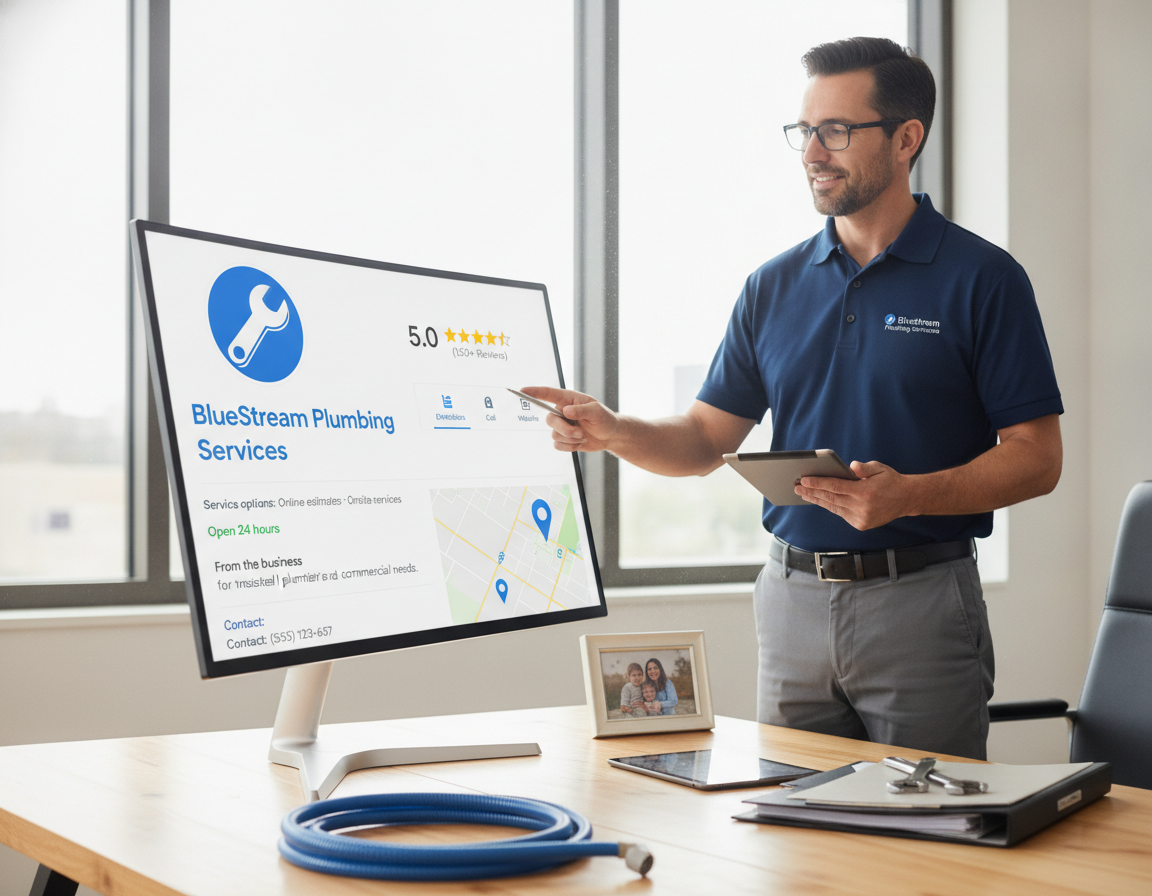
A Guide To GMB For HVAC And Refrigeration Companies

Maximize Your Reach with SAB SEO

For anyone running a on-the-go or appointment-only business, like a plumbing company or air-conditioning services, your customers come to you. Service area business SEO is a targeted approach to local optimization. It helps you show up where you work, not just at a single address.

Because very few searchers go past page one, your SEO strategy must push you onto page one. Practically, that means targeted citation directories, setting up your Google Business Profile, publishing unique service-area pages, and getting local backlinks.

Marketing1on1 delivers custom SEO strategy and location SEO for SABs. They help you expand beyond your hometown market without opening multiple offices. A strong strategy improves visibility in multiple suburbs and postcodes, brings in ready-to-buy local visitors, and increases calls and bookings.

What to Remember

  • Focus on the areas you actually serve, not just your base address.
  • A focused SEO strategy is critical because page two gets little engagement.
  • Your pillars are GBP optimization, localized pages, keyword research, and backlink building.
  • An experienced partner can scale your coverage without new offices.
  • Measuring results and adjusting your SEO strategy keeps your business visible and competitive.

local business directory submissions

SAB SEO Explained and why it’s important for appointment-only providers

SAB SEO helps traveling teams rank for searches across the neighborhoods and cities they serve. You’re not dependent on walk-ins or a public storefront. You define realistic service zones and use geo-targeting to connect with residents where they live and work.

Approach local SEO differently when you run a mobile operation. Standard local SEO favors one address and walk-in customers. SAB optimization targets intent across a radius and targets queries like “emergency plumber [city]” or “mobile groomer near me.”

Ideal for plumbers, electricians, landscapers, HVAC techs, pest control pros, mobile groomers, and junk removal teams. These providers benefit by pages and keywords tailored to specific towns and ZIP codes to capture high-intent searches.

You gain a wider reach without extra storefronts, more targeted traffic from nearby searchers, and higher conversion rates when your pages align with neighborhood needs. Pair SAB SEO with solid on-site signals and consistent local work, you grow authority across the regions you serve.

Understanding the unique challenges SABs face in local search

No public store—this makes it more challenging to attract local customers. Even with a wide area, engines and users want proof you’re local.

Proximity vs. Hidden Address

Google boosts businesses with addresses near the searcher. It’s harder to rank in the Local Pack if you lack a public address.

To fight this, build local signals through reviews, area content, and consistent citations. That improves SAB relevance and supports relevance.

Storefront Advantage

Businesses with public locations often get map prominence and attract more clicks. You compete with national chains and local stores that get a ranking boost.

Smart research can find gaps to fill. Apply structured research to find areas not well-served and create offers that meet local needs.

Risk of duplicate or thin content across location pages

Using the same page for different cities hurts visibility. Near-duplicates struggle, hurting rankings for different areas.

Create distinctive local pages with specific services, neighborhood references, client photos, and detailed FAQs. Align NAP everywhere to avoid confusion and strengthen authority.

Challenge Why it matters Action you can take
No storefront Google proximity bias favors nearby verified addresses Build local signals: reviews, area-specific content, service pages
Storefront competition Physical locations often capture map visibility and clicks Use competitor research and targeted local SEO services to find gaps
Duplicate location pages Thin content harms rankings and user trust Create unique pages with images, reviews, case studies, and local details
Inconsistent citations Confuses search engines and weakens authority Audit and standardize NAP across directories and platforms

GBP Setup for SABs as a service-area business

First, create your GBP and choose the service-area business option. This hides your street address but lists the cities or ZIP codes you serve. Keep areas realistic and stay within guidelines.

Pick accurate categories. Use one primary and a few secondary. Keep services accurate. Good categories improve matching and support local rankings.

Complete all fields. Enter name/phone/URL. Add hours, payments, languages, accessibility. Use the services section to detail offerings with short descriptions and prices.

Upload a business logo, team photos, and project images. They showcase workmanship and reinforce credibility.

Curate your area list. Add up to 20 cities or postal codes. Tailor short descriptions or photos for key areas. This helps Google show your listing for local queries.

Encourage reviews that cite area and job. Those details boost locality.

Post promos, news, and snippets. Feature job recaps, promos, and seasonal advice. Post weekly/bi-weekly and keep it brief.

Manage Q&A and reviews quickly and thoughtfully. Acknowledge wins and fix problems. Thoughtful responses build trust and signal strong engagement for SAB SEO.

Track insights and iterate. Monitor queries/calls/directions in GBP. Adjust areas, categories, and posts based on cities driving leads. Continuous tuning sustains relevance.

On-Page Strategy for service-area pages and site structure

Publish mobile-ready city pages. Avoid duplicates; keep each page unique. Use local proofs, named techs, and images to build trust and on-page optimization.

Write titles, headings, and meta descriptions with clear local intent. Include target terms naturally in URLs and image alt text. Keep headings short with town names.

Create hub-and-spoke internal links. Group nearby cities under a regional hub to boost crawlability. A hub-and-spoke layout makes navigation easier and reinforces locality.

Add JSON-LD to all local pages. Mark up name, phone, service types, and areas served. Schema can improve visibility.

Keep pages tight. Keep copy readable. Maintain natural locality.

Keyword research and content strategy for geo-intent queries

Start with services + areas. Map them to search demand. Look for terms that match intent and have decent volume.

Leverage Google tools. Also use SEMrush and Moz. Target “near me” + ZIPs. Balance volume and difficulty.

Long-tail = higher intent. Urgent phrases signal intent. Audit SERPs and align.

Answer local questions with proof. Use guides, project pages, and case studies to earn trust. Link local blog posts to location pages to strengthen internal signals.

Plan content with this matrix.

Keyword Intent Example Long-tail Keywords Recommended Content Type Conversion Goal
Urgent service same day emergency plumber Boston MA Emergency service page with CTA and hours Phone call or booking
How-to DIY how to stop toilet running Arlington VA Step-by-step guide with local tips Newsletter sign-up, service inquiry
Project proof basement waterproofing before and after Denver Case study with photos and project details Estimate request
Neighborhood search landscaper near Beacon Hill Boston Neighborhood landing page with FAQ Location-specific booking
Seasonal need winter furnace tune up Queens NY Seasonal tips and service promos Scheduled maintenance calls

Monitor and refine targets. A mix of discovery and targeted location pages will improve local reach.

Links & Citations to build local authority

Strong off-page wins maps. Start with outreach, community engagement, and strict citation management. These steps help Google see real-world presence.

Partnership Backlinks

Partner with related businesses for contextual links. Sponsor neighborhood events to gain local mentions. Host an events hub for partners. Links + locality together improve trust.

Citation Consistency

Ensure your business name, address, and phone are the same everywhere. Emphasize areas served. Choose relevant directories.

Pick High-Value Directories

Evaluate DA/traffic/city SERPs. Prefer reputable local sites. Guest content earn stronger links.

Track citations/links in a sheet. Log site, NAP, created date, rating. Cull weak citations.

Use Social + GBP + Promos to drive discovery

Localize socials with neighborhoods. Highlight community work. Mirror offers in GBP.

Neighborhood Platforms

Publish city-focused snippets. Local engagement helps ranking—keep captions short and add clear CTAs.

Using before-and-after photos, customer stories, and event sponsorships

Before/after boosts conversion. Pair with concise customer stories that name the suburb or ZIP. Sponsor hyperlocal groups to earn links + offline reach supporting SAB SEO.

Promoting GBP posts and special offers to drive clicks and calls

Republish top offers on GBP. Short copy, a strong image, and a clear button drive calls and bookings. Measure post-to-call impact and scale the best.

Channel Best Content Key Action
Google Business Profile GBP posts, event updates, service highlights Post weekly with local offers and matching blog links
Nextdoor Neighborhood case studies, short tips, sponsorship news Engage in threads and respond within 24 hours
Facebook Groups Before-and-after photos, reviews, short clips Share local successes and invite direct messages
On-site & printed touchpoints QR to review pages, lead magnets, receipts Include QR on invoices and flyers to boost reviews

Run social + GBP + local offers together to grow visibility and leads. Geo-target your creatives to remain relevant.

Measure What Matters to guide improvements

Set up a regular analytics check. Combine GBP, site, and rank data. You’ll know where traffic and leads come from and refine targeting.

Integrate Platforms

Integrate GA + GSC. Expose query→page performance. Surface technical blockers.

Monitor your Google Business Profile

Track views, searches, calls, messages, and clicks. Segment by area and time. Find what resonates and refresh laggards.

Localized Rank Tracking

Check positions in Map Pack and organic listings per area. Compare device-level ranks to see divergences.

Metric Source What to watch Action
Search queries & impressions Google Search Console High-impression terms with low CTR Rewrite titles/metas for local intent
Sessions & conversions Google Analytics High-traffic pages with low actions Improve CTAs and service pages
GBP views, searches, calls Google Business Profile Areas with rising calls but falling clicks Update areas and post local offers
Local rankings Rank-tracking tools Map Pack fluctuations by ZIP Audit citations, links, on-page signals
Site health Technical crawlers Broken links, slow pages, index errors Fix issues, speed up, submit sitemap

Routine audits and reporting

Keep weekly/monthly/quarterly cadence. Standardize reports.

Triangulate Signals

Combine organic data, profile engagement, and ranks to focus efforts. Find city gaps, pages needing fixes, and where to promote locally.

Location-Specific Reviews across service areas

Coverage across towns needs signals. Reviews prove locality and help SEO. Adopt a simple review system in each area.

Geo-Specific Reviews

Prompt for suburb + service in reviews. Location words tie the review to place. Systematize the ask.

Reduce Friction

Use QR codes on invoices/cards, send short emails, and add one-click prompts. If you offer incentives, confirm platform rules first.

Reply Fast

Answer quickly. Be gracious and solution-oriented. It builds trust and improves standing.

Monitor by Area

Log counts and sentiment per area to spot gaps. Adjust based on data.

Step Action Goal
1 Technician completes job and hands a QR review card Immediate prompt increases conversion
2 Automated SMS with direct review link within 2 hours Reduce friction; capture fresh impressions
3 Follow-up email with short testimonial template + location prompt Encourage neighborhood/service mentions
4 Customer posts review; team logs it under the right area Enable targeted reporting
5 Public response within 48 hours; route issues to support Show responsiveness and protect trust

Systematic reviews + responses lift rankings and conversion. Combine with focused local SEO services for long-term growth.

Scaling responsibly: defining service-area limits and multi-location strategies

As you grow beyond one neighborhood, draw practical boundaries. Base on travel and staffing. It keeps signals consistent.

Keep one GBP within ~2 hours. If drives exceed two hours often, relevance can drop. Open a new verified base.

If you have distributed teams, run distinct listings. It aligns areas, reviews, and routing. Use real addresses for each base.

Pick the right information architecture. Hubs prevent thin pages. When you have depth, use city pages. Marketing1on1 can help design a balanced structure.

Apply multi-location playbooks. Measure per-location ROI. Expand or consolidate based on data.

service area business SEO

SAB success starts with GBP + mobile site with distinct area pages. Target phrases per city/ZIP. Keep business info consistent across directories to reinforce local trust.

Unite content, links, and citations. Also, manage reviews to boost authority. Plan keywords, analyze SERPs, configure GBP. Publish pages, localize content, improve UX.

Connect Google Search Console and Analytics. Pursue links and citations. Measure impact. Offer simple lead magnets.

Define your service area carefully and use structured data. Scale efficiently. Refine based on data.

If you want a partner, consider Marketing1on1 for a local SEO plan. They’ll balance local services, on-page, off-page, and analytics to increase visibility across service areas.

The Definitive Local Citation Building Guide For SMBs

Appointment Link Optimization GMB: Strategies for Better Local SEO

“The best way to foresee tomorrow is to build it today.” — Peter Drucker

You can increase bookings with a free Google Business Profile. BrightLocal shows the average profile gets 1,260 views monthly but only 59 actions. That gap is where GMB appointment link optimization steps in.

Google My Business optimization starts with claiming and verifying your profile. Make sure to fill out every field and keep your info up to date. That approach builds credibility and brings in more visits. Positioning the appointment link well creates a straight path to conversion.

Trends for 2025 feature AI matching and geo-tagged photography. Reviews mentioning local areas and services remain essential to SEO Dayton. Marketing1on1 implements these best practices to raise booking rates and increase local visibility. This makes the GMB appointment link work harder for every searcher.

Why GMB appointment link optimization impacts visibility

Optimizing your profile converts searches into actions. A prominently placed appointment link lets customers book without leaving the profile. The result is less friction and higher conversion rates in competitive local markets.

Placement of a Google My Business appointment link signals intent to Google’s local system. When users see a clear booking option, they often complete tasks right on the profile. That raises click-to-action rates and can increase discovery prominence.

How appointment links shape user behavior

Users scan profiles for fast next steps. Prominent scheduling prompts guide users to book, call, or message. Simplifying booking reduces steps, minimizes drop-off, and improves high-intent actions.

Zero-click and high-intent impact

Zero-click behavior is growing as tasks happen directly on results. Adding a Google My Business appointment link meets that trend. For high-intent queries, the presence of a booking link converts interest into bookings without an extra site visit.

Evidence from GBP metrics and BrightLocal

digital marketing Dayton Ohio

  • Insights often show higher actions when appointment links are present.
  • Data similar to BrightLocal shows freshness + active scheduling features correlate with higher views and actions.
  • Tracking via UTMs and analytics reveals which appointment link best practices drive measurable bookings.

Metrics clarify priorities for scheduling optimization. Watching APV and tuning best practices offers a path to stronger visibility and bookings.

Optimizing appointment links on GMB

To increase bookings, businesses must understand appointment links on GBP. An appointment link is a direct call-to-action that leads users to a booking flow. It may point to a supported scheduler or an in-house reservation page. Adding the link in the dashboard makes scheduling easy.

Definition and scope

On Google, the appointment link appears as one action button. You’ll also see website, directions, and call. It should link to a page for scheduling, not a generic homepage. Salons, dentists, spas, and medical offices commonly use this because their categories signal they’re ready for bookings.

Appointment vs. website links in Google

Appointment links signal high intent to Google. They can be shown as a prominent call-to-action on the profile. A standard website link is more informational. Aligning the appointment link with your category increases its chance of being shown to booking-minded users.

Key performance indicators to track

  • Appointment link clicks in GMB Insights.
  • GA4-measured sessions from UTM-tagged links that convert to bookings.
  • Booking conversion rate and click-to-book time to spot friction.
  • Appointment page bounce rate and steps-to-book completion.
  • Downstream metrics: no-show rate and revenue per booking.

Using GMB Insights with GA4 helps understand how well appointment link optimization works. Teams should refine landing pages, add UTMs, and review weekly trends. Doing so refines GMB link SEO and overall optimization. Clear tracking focuses efforts on improving the scheduling link and lowering funnel drop-off.

How to set up appointment links in GMB

Before adding an appointment link, the Business Profile must be claimed and verified at Google.com/business. Keep NAP and hours correct and consistent across the web. A clean, consistent profile prevents appointment button issues.

Adding the scheduling link in the dashboard

Sign in to the Business Profile Manager. For unclaimed listings, select “Own this business?”. Once verified, add the booking URL or provider link and save.

Selecting supported platforms & linking

You can use supported partners or a direct booking URL. Pick a dependable, mobile-optimized platform. Mobile-test the link for stability prior to adding it.

Verification & troubleshooting

Verification is needed to manage profile features. Verification options include postcard, phone, or email. Without verification, you can’t add a GMB appointment link.

  • Check category and verification status when the appointment button is missing.
  • Verify no disallowed domain redirects occur.
  • Ensure NAP on the appointment page matches the Business Profile to avoid Google flags.
  • Avoid unsupported platforms in sensitive niches that might lose features.

Effective link management requires post-update testing and ongoing monitoring. Audit settings, test booking flow, and re-verify upon request. That ensures the scheduling experience remains smooth.

GMB link management: best practices

Consistency is foundational in link management. Appointment page NAP must match the GBP. This helps Google trust your listing and keeps customers from getting confused when booking services.

Keep hours and holiday schedules aligned on the appointment page and GBP. Mismatches confuse callers and customers. Consistent local phone numbers and clear contact details improve UX and optimization.

Track appointment link traffic with UTM parameters and GA4. Append source, medium, and campaign to the URL. This way, analytics can show where bookings start. GA4 events help map bookings to listings and posts.

  • Use a consistent UTM schema across posts, ads, and profile links.
  • Ensure redirects preserve UTMs for attribution.
  • Map GA4 events to booking milestones such as “checkout” or “confirm”.

Rotate links and CTAs for seasonal campaigns. Create special appointment pages for holiday hours, promotions, or limited-time services. Link posts and profile buttons to the targeted pages. Clean redirects and preserved UTM parameters ensure accurate reporting when campaigns change.

Test links regularly to uphold best practices. Confirm mobile performance, correct details, and peak stability. Regular audits help keep your Google My Business optimized and booking smooth.

Record link changes, seasonal pages, and UTM rules in a shared doc. This makes it easier to update your profile, keep NAP accurate, and improve GMB scheduling link performance over time.

Conversion optimization for appointment link destinations

Where the link lands can determine booking success. Pages should match the Business Profile and show clear booking paths. This includes easy-to-find hours and location details.

Elements that improve booking completion

Write clear headlines consistent with the profile. Position a strong CTA above the fold. Keep forms brief and simple.

Inline reviews and badges from partners can increase confidence. Adding a simple date picker can raise booking rates.

Mobile-first design and fast load times to reduce dropoff

Most local searches happen on phones. A mobile-first design makes buttons easy to tap. Maintain a smooth booking flow.

Use optimized media and fast hosts to keep pages quick. That reduces bounce and improves link effectiveness.

Trust signals: reviews, clear pricing, and staff photos

Place recent reviews and ratings close to the form. Include clear pricing and team photos. That increases customer confidence.

Geo-tagged GBP images also help. Visible trust elements show solid GMB link optimization. They increase visitor confidence when they reach the appointment page.

Track conversions and iterate frequently. Small tweaks can make a big difference. Testing maintains alignment with user behavior and local trends.

GMB link SEO tactics to increase local ranking and click-throughs

Match appointment pages to queries to grow visibility. Relevant keywords in titles/H1/meta/body help GMB link SEO. That way, the business name isn’t overloaded in GBP.

Keyword relevance matters on pages and meta elements. Use city + service in phrases, e.g., “Book a dental cleaning in Chicago”. It helps appointment link optimization GMB and matches local intent.

Linking from the website to the booking page increases its authority. Add CTAs from service pages, the contact page, and the footer. Use descriptive anchors like “Book a haircut in Austin” for clarity.

Schema and structured data make booking details easy for machines to read. Implement LocalBusiness/Service plus Appointment/Booking schema. Include fields for availability, priceRange, and booking URL to link on-page booking data with Business Profile actions.

  • Make sure the appointment page has clear H1s and meta descriptions that match GMB categories.
  • Place internal links with descriptive anchors from key pages to the booking URL.
  • Add structured data that includes service names, locations, and the booking link.

These GMB link optimization techniques can lead to better local rankings and more clicks. Together, they guide users smoothly from search results to booking, supporting long-term GMB link optimization goals.

Using photos, posts, & Q&A to promote links

Photos, posts, and Q&A can drive more bookings. Regular images and Posts keep the profile fresh. Use Q&A to answer and funnel users to booking.

Photos that build trust

Upload new, geo-tagged photos weekly. Show both inside and outside views. Team photos build trust and engagement.

Use posts with clear CTAs

Publish Google Posts once or twice weekly. Highlight specials, events, and hours. Always add a “Book Now” link. Posts tied to holidays/local events often help.

Seed the Q&A to reduce friction

Address common questions to ease booking. Give clear directions and mention the scheduling page. Keep an eye on Q&A to fix any mistakes and keep the booking flow smooth.

  • Rotate photos to reflect new items and seasons.
  • Plan your posts around big events, new services, and promotions.
  • Add local keywords and booking link to Q&A.

Applying these tactics grows local presence. Ongoing management and targeted optimization convert views into visits.

Reviews & reputation for better conversions

Perception of your business matters greatly. Strong reviews motivate bookings. When reviews talk about services and places, it helps your business show up in local searches.

Ask customers to mention specific services or locations in their reviews. E.g., “teeth cleaning in Austin,” “massage near Brooklyn”. This helps Google understand what you offer and makes it easier for people to find you.

Simplify leaving feedback. Place a review link post-booking, in emails, and on receipts. Since many will review when asked, this supports more bookings.

Use polite and brief review requests that link to the Google review form. Set automated review requests post-appointment. That keeps reviews tied to booking.

Respond promptly to reviews. A nice reply to positive feedback builds trust. For negative feedback, offer a calm solution and ask to talk offline. It demonstrates care and can increase booking likelihood.

Track review impact on bookings. Use UTM tags on confirmation pages to see which reviews lead to bookings. This helps you know what messages work best and what needs refinement.

Advanced: local backlinks & partnerships

Local backlinks improve appointment page visibility in neighborhood searches. They increase booking link prominence. City-level links to booking URLs improve local relevance.

Target civic/community sites that list trusted vendors. Chambers, libraries, and neighborhood associations often list partners. These can include the appointment URL, creating referrals and local backlinks.

Partner with event organizers and directories to grow referrals. Sponsor blurbs or featured directory listings can drive clicks. This keeps booking URLs visible in places locals trust.

Leverage PR and sponsorships for authoritative local mentions. Press coverage that references the business and links to the booking page sends strong neighborhood signals. Marketing1on1 helps win valuable hyper-local backlinks.

Maintain link quality by auditing partners and avoiding low-value directories. Focus on relevance, editorial context, and accurate details. This safeguards GMB link SEO and strengthens optimization via trusted city-level referrals.

Track outcomes with a simple list of goals: secure X city pages, add Y directory listings, and earn Z media mentions per quarter. Measuring referral clicks and conversion lifts from these links shows which partnerships drive bookings. Use findings to refine and scale local efforts.

Monitoring & analytics for GMB appointment links

Monitoring appointment link performance is essential. This keeps local campaigns on track. Check weekly for changes in clicks and engagement. You’ll quickly see trends or spikes linked to promos/events.

What to watch in GMB Insights

GMB Insights tracks views, searches, and actions. Clicking the appointment link records a unique action. Tracking clicks, calls, and directions shows how users interact.

Combining GMB Insights with GA4 and UTM data

Use UTMs so GA4 can track performance. It’s important to send booking completions as GA4 events. This way, you can track session conversion rates, bounce rates, and more to see the real impact.

Weekly review & action steps

Weekly reviews reveal trends and campaign impacts. If clicks drop, updating a Google Post or refreshing photos might help. Rising clicks around events? Scale offers fast.

  • Report cadence: weekly snapshot of appointment link clicks, sessions, and conversions.
  • Cross-check Insights vs. GA4 to catch attribution gaps.
  • Optimization tasks: posts, CTAs, landing page refresh, image rotation.

This approach, used by Marketing1on1 and others, keeps link management on course. By combining GMB Insights with GA4 and using UTM tags, teams can see a clear path from profile views to paid bookings.

Conclusion

Optimized GBP provides a free, high-value path to local customers. A GMB appointment link converts intent into bookings. This should be part of any local effort to capture active shoppers in the United States.

Completing your profile, using accurate NAP, and posting geo-tagged photos are all important. They support conversion around the GMB appointment link. Ongoing Google My Business optimization and verification reduce friction and build trust.

This increases foot traffic and leads. Structured data, local links, and weekly analytics can further improve visibility and booking rates. Firms such as Marketing1on1 can implement these strategies for measurable gains in local ranking and completed appointments.

Common Questions

What is a GBP appointment link and how does it work?

It’s a dedicated booking URL on your GBP. It lets customers book services directly from the profile. It may lead to a supported scheduler or your own mobile booking page.

Once configured, the link can appear as a CTA. It appears beside actions like call, directions, and website.

Why does appointment link optimization matter for Google Business Profile visibility?

Optimizing the appointment link helps turn local searches into bookings. It simplifies booking for ready-to-buy users. An active, complete profile builds trust and draws more visits.
A clear booking link narrows the views-to-actions gap. Data shows high views but low actions. Optimized links improve actions and local conversions.

Influence on actions & zero-click searches

Links support zero-click behavior by enabling actions in results. A visible “Book” CTA eases booking when users find a service. Reduced steps increase conversions.
Appointment links show Google that users are ready to take action. This may impact local feature visibility.

Adding or claiming the scheduling link

Go to Google.com/business to claim/verify. Then, use the Business Profile Manager to add the appointment or scheduling URL. Make sure to fill out the core profile sections first.
Cover NAP, hours, and category. Then add the link to maximize eligibility for appointment features.

What platforms are supported and how to choose?

Google supports certain schedulers and direct URLs. Select a mobile-friendly, UTM-preserving platform.
Consistent NAP and quick loads matter. If unsupported, use a well-built booking page on your site. Thoroughly test on mobile.

What verification and troubleshooting steps are needed if the appointment button doesn’t appear?

First, ensure the profile is claimed and verified. You can do this via postcard, phone, or email. Ensure the primary category allows bookings.
Verify link correctness and redirect behavior. Ensure NAP matches on the page and profile. Persisting issues? Test mobile, fix redirects, and review supported integrations.

Which KPIs should businesses track to measure appointment link success?

Track GMB appointment clicks and GA4 sessions from UTM links. Track booking conversion rate, click-to-book time, and bounce rate on the appointment page.
Also, track completed bookings, no-show rates, and revenue per booking. Use weekly Insights + GA4 events to keep attribution and see trends.

How to track with UTMs and GA4

Append UTMs (source=google, medium=profile, plus campaign/content).
In GA4, set up events to capture booking starts and completions. This way, sessions and conversion rates can be attributed to the appointment link. Keep UTMs through redirects and test mobile funnel.

Landing page must-haves for completion

Pages must be mobile-first and fast. Ensure H1/title align with category/intent.
Add a concise CTA, short forms, visible hours/location, and trust badges. Include staff photos, clear pricing, and click-to-call options.
Maintain NAP and align content with profile.

How important is NAP consistency?

NAP consistency is very important. The appointment page should display the same business name, address, and phone as the Google Business Profile. This supports credibility.
Discrepancies confuse users and trigger Google scrutiny. It can limit features or lower visibility.

How to handle seasonal appointment links

Use seasonal pages or UTM-tagged URLs. Post timely Google Posts linking to the seasonal page.
Swap CTAs, update holiday hours, preserve UTMs. Refresh photos/posts to signal activity.

On-page SEO tactics for appointment pages

Align title/H1/meta/body with local-intent keywords. Don’t over-stuff keywords. Point key pages to the appointment page using descriptive anchors.
Implement LocalBusiness/Service/Booking schema for structured data.

How do photos, Google Posts, and Q&A entries promote the appointment link?

Upload geo-tagged photos and fresh staff/interior images regularly to build trust and relevance. Post weekly with clear “Book” CTAs to the link.
Seed Q&A with booking questions + link + local keywords. Active content signals freshness and can improve clicks.

How do reviews and reputation management affect appointment conversions?

Reviews are a major local ranking and trust factor. Prompt service/location mentions for relevancy. Place easy review links in confirmations and follow-ups.
Reply quickly and professionally to show engagement and reduce friction.

Role of local backlinks/partnerships

City/neighborhood backlinks strengthen local relevance and authority. These partnerships increase referrals and local signals by linking to booking pages.
PR, sponsorships, and guest content can generate authoritative mentions that benefit appointment link prominence.

Review cadence for Insights and analytics

A weekly cadence is best. Use Insights + GA4 (UTM) data together. Weekly cadence surfaces patterns, campaign impacts, and refresh opportunities.

What technical checks should be performed to ensure appointment links function correctly?

Verify mobile load, preserve UTMs across redirects, avoid blocking interstitials. Confirm SSL, quick loads, and NAP consistency.
Test the full booking flow, monitor server logs for errors, and ensure third-party scheduling tools are integrated and authorized where required.

Are there any categories or sensitive niches where appointment features are limited?

Yes. Certain categories and sensitive niches may have restricted features or require additional verification. No button? Recheck category, verification, and support lists.
CTA may not display due to mismatches, unsupported tools, or policy limits.

How to boost conversion beyond just adding a link

Combine a smooth mobile booking flow with trust signals—recent geo-tagged photos, visible reviews, staff bios, and transparent pricing.
Shorten forms, enable click-to-call, and use review prompts after appointments. Run Posts for limited offers linking to specific pages and A/B test weekly.

What attribution practices ensure accurate measurement of bookings from the Business Profile?

Use UTM parameters on the appointment link and set up GA4 events for booking starts and completions. Keep UTMs, map events, and reconcile Insights vs. GA4.
Measure bookings, revenue per booking, and no-shows for full impact.

What ongoing maintenance helps keep appointment links and the Business Profile effective?

Weekly: fresh photos, timely Posts, monitor Q&A, respond to reviews, review Insights. Maintain NAP across directories, rotate seasonal pages, validate URLs/integrations, and audit schema/links monthly.

Should you hire an agency for optimization?

If resources are tight, systems complex, or scaling desired, consider an agency. An agency can coordinate structured data, local backlink outreach, weekly analytics, creative posts, review workflows, and technical integrations to increase appointment link performance and local visibility.

The Impact Of Having Reviews With Photos On Your Local Ranking

Unlock More with Google Business Insights Analytics

Did you know a typical business captures about 59 actions from its Google Business Profile? This makes GBP a major source of measurable customer activity. Google Business Insights analytics can really help increase online visibility and marketing performance.

It reports how users find and interact with your listing. It tracks Total Impressions, Website Clicks, Calls, Directions, Messages, Bookings, Menu Clicks, Orders, Reviews, and Average Rating. They also clarify Search vs. Maps origin, device usage, and actions signaling purchase intent.

Local-SEO–focused U.S. businesses find these insights essential. They inform smarter google map experts decisions that boost rankings and draw more customers. Marketing1on1 uses GBP data to improve marketing performance. They integrate profile insights with Google Analytics to give a clear view of website traffic and user engagement.

Explaining Google Business Insights Analytics for Local SEO

It converts raw profile activity into actionable signals. It tracks, among others, Search/Maps Impressions, Website Clicks, Calls, Directions, Messages, Bookings, Menu Clicks, Orders, Reviews, and Average Rating. Each metric is logged separately so teams can spot patterns and gaps in online visibility.

These metrics support local SEO by revealing discovery paths and post-view actions. Discovery versus direct search splits reveal keyword relevance and intent. Rising clicks/calls/bookings signal usefulness to Google and can increase local rankings.

Below is a compact reference to help translate GBP metrics into action. Combine Total Impressions with action counts to spot underperformance. Monitor Reviews and Average Rating to steer reputation. Correlate trends with broader SEO work for measurable gains.

GMB marketing

KPI Indicates What to Do
Search/Maps Impressions Where and how often your profile appears Adjust local keywords and update categories to improve online visibility
Clicks to Site Deeper intent to engage Optimize landing pages and CTAs to raise conversion rates
Calls & Messages Immediate demand signals Enhance response; implement UTM call tracking
Directions Requests Catchment areas and peaks Use heat-map data to plan local promotions and opening hours
Transactional Actions Service or product demand signals Feature popular items; simplify booking
Reputation Perceived quality & feedback Ask/respond to reviews to raise local signals

Marketing1on1 focuses on GBP Insights because it ties profile behavior to SEO outcomes. They use these signals to steer SEO, refine content, and enhance UX on Profile and site. This alignment grows organic traffic and improves rankings over time.

Putting insights to work is straightforward. Track Total Impressions vs. actions to spot wasted visibility. Compare discovery versus direct searches to refine keywords. Combine reputation metrics with action trends to prioritize fixes that raise both trust and local presence.

Customer Search Behavior Explained

Customers typically find businesses in two ways. They might search directly for a brand name or address. Or, they might search for a product or service without knowing the brand. GBP Insights clarify these behaviors and inform local strategy.

Direct and Discovery Searches: The Difference

Direct searches are brand/address lookups. These searches show they know and trust your brand. Discovery searches are category queries like “coffee shop near me.” These searches show what people are looking for and how much demand there is.

Leverage Total Searches & Keywords for Targeting

The Total Searches metric and the list of search keywords in Google Business Insights analytics show which queries drive visibility. Look at these keywords to see if your website, GBP posts, and blog topics match what customers are searching for. Matching your content to top discovery keywords makes your business more relevant and attractive to local customers.

Actionable steps to align GBP content with customer search behavior

  • Audit GBP posts and service descriptions to include high-volume discovery searches.
  • Update business description and Q&A to answer common search keywords and questions.
  • Publish blogs/FAQs targeting frequent discovery queries + local modifiers.
  • Track Total Searches trends and shift focus as demand changes.
  • Leverage Performance tab/connectors to roll up keyword insights across locations.

Understanding Search and Maps Impressions

Local businesses need to know where profile views originate. It breaks out Search vs. Maps Impressions. This helps decide where to focus marketing efforts and improve the user experience.

Impressions Search tracks views from Google Search. Impressions Maps counts views from Google Maps. Rising Maps impressions suggest immediate, local intent.

More Maps impressions indicate on-the-go queries and direction requests. More Search impressions mean people are researching before visiting or booking. Use these insights to tailor content and calls to action to meet user intent.

Mobile vs. desktop impressions and mobile optimization signals

Google Business Insights analytics breaks down device use for both Search and Maps impressions. High mobile share signals urgent local intent. This calls for mobile optimization, like fast-loading pages and clear hours.

Desktop-heavy shares suggest deeper research. For these users, focus on strengthening on-site content, detailed descriptions, and review summaries. That builds trust pre-conversion.

Using platform data to prioritize marketing and UX improvements

Platform splits guide where to invest time. When Maps is high, improve location pages and mobile CTAs. This improves visibility for local searches.

If Search dominates, refine meta descriptions and GBP posts. Marketing1on1 uses these signals to suggest targeted UX and content changes. These changes increase conversions and local search performance.

Metric What It Suggests Recommended Action
Maps Impressions Map-intent, often mobile Confirm NAP/hours; add directions + tap-to-call
Impressions Search Research-oriented usage Refine metas, posts, and service info
High Mobile Share Immediate intent; on-the-go users Prioritize speed and mobile UX
Desktop-Heavy Deeper evaluation behavior Add depth; feature review highlights

Website Clicks & Traffic from GBP: Analysis

GBP website clicks reveal user intent. Spikes indicate interest in menus, pricing, or booking. A drop might indicate problems with your local listing, relevance, or mobile experience.

Track clicks alongside traffic metrics to catch issues quickly.

Reading Clicks for Intent

Clicks differentiate browsing from buying intent. High clicks, low sales suggest weak landing pages. Low clicks but strong impressions suggest your call-to-action or listing needs work.

Use this info to make your content match what users want.

Connecting Clicks to GA Insights

Connect GBP Insights with GA4 to view end-to-end journeys. Look at referral traffic, bounce rate, and how long users stay. Also, check conversion events for GBP referrals.

Tag GBP links with UTM parameters in Google Analytics. This way, you can see which campaign, landing page, and keyword brought each visit.

Improving Click-Throughs from GBP

Clarify business descriptions and add direct CTAs to raise clicks. Use recent photos aligned to landing pages. Make sure your landing pages work well on mobile and load quickly.

A/B test headlines and CTAs with short experiments. Review outcomes in GA.

KPI Insight Action
Website Clicks (GBP) Shows raw interest and intent from local searches Improve copy/CTAs; tune post timing
Referral Sessions (Google Analytics) Reveals post-click behavior and landing page success Tighten relevance; track conversions
Bounce Rate / Engagement Time Signals fit/UX quality Refine content, speed, mobile layout
UTM-tagged Clicks Connects clicks to posts/offers Run A/B tests and refine campaigns
Conversion Events (GA4) Measures actual outcomes from GBP traffic Prioritize high-conversion pages/spend

Use Google Business Insights analytics with Google Analytics and user engagement analysis. You’ll see the best-performing pages. Use this info to improve SEO, paid ads, and content updates.

Small, focused tests on CTAs and landing pages can lead to big gains in clicks and sales.

Analyzing Calls & Messages from GBP

GBP Insights report how customers reach you. It helps spot busy days and adjust staffing. You can also time posts for better results.

Reading Call Patterns

Insights reveal calls by day and hour. This helps schedule staff for busy times. Offer time-based promos around demand.

Setting up call tracking and UTM-tagged numbers for accurate attribution

Use call tracking for your Business Profile and UTM-tagged numbers in campaigns. This tracks where calls come from and ties them to analytics. UTM numbers reveal ad/post call drivers.

Using message and call trends to enhance customer service and postings

Track volume/themes to refine Q&A and posts. If trends drop, audit CTAs and profile content. Use trends to train staff and create targeted posts.

KPI What it reveals Next Step
Calls by Time Peak contact times and staffing needs Adjust schedules, publish posts before peaks
Seasonal call patterns Demand shifts tied to events and holidays Plan promos; adjust hours
UTM Call Tracking Precise phone source attribution Assign tracked numbers per campaign, log conversions
GBP Messages Direct questions and needs Update Q&A, refine service pages, train staff
Decline in calls/messages Possible profile issues or weak CTAs Audit content; test CTAs; verify routing

Marketing1on1 suggests using call tracking, UTM-tagged numbers, and Google Business Insights analytics. This ties phone leads to conversions. It helps marketers see which tactics work best.

Using Heat Maps & Directions for Local Targeting

Local businesses can really benefit from using Google Business Insights analytics. They learn where customers originate. This info helps them plan better for staff, promotions, and ads.

How to Read the Directions Heat Map

The heat map highlights visitor origins. It highlights travel patterns. By looking at origin zip codes, you can see which areas are most visited.

Marketers should compare these areas with in-store sales or appointments. Confirm directions-to-visit relationships. Use findings to refine local marketing.

Using location data to refine geo-targeted ads and social promotions

Target ads using origin ZIPs and density. Focus on areas with more visitors to get better returns. Make ads specific to each neighborhood for better results.

Geo-targeting works best with location-specific ads. Reference landmarks or neighborhood names. This improves CTR. Spend more on ZIP codes with lots of direction requests for the best results.

Direction Requests → Peak Times

Track direction requests by day and hour to find busy times. Match staff schedules and promotions with these times. This boosts service and sales.

Marketing1on1 applies this data for smarter ads/offers. They convert online interest into in-person visits. That approach supports growth.

Bookings, Orders, and Other Action Metrics for Conversion Analysis

GBP action metrics reveal customer demand. Bookings/Menu Clicks/Orders trace discovery→purchase. Use them for quick fixes and longer-term service/menu improvements.

Measuring Demand with Actions

Watch Bookings and Menu Clicks to find busy times and popular items. If a menu item gets lots of clicks but few orders, look into why. Test descriptions/photos/prices to increase sales.

Smoother Booking and Ordering

Simplify booking and ordering via your profile. Ensure real-time availability and fast confirmations. Link pages so clicks from your profile lead to a ready-to-buy page.

Using Actions to Guide Updates

Use conversion analysis to see which services are most popular. If a service gets lots of interest but few sales, check how it’s delivered and staffed. Adjust offers or add promos to convert interest.

Roll-Up Reporting Across Locations

Compare action metrics by location to find what works best. GBP Insights reveal top performers. Use these insights to make successful elements common across all locations.

Reputation Metrics: Reviews, Average Rating, and User Engagement Analysis

Reviews/ratings in GBP Insights reflect sentiment. These metrics help build trust with both customers and Google. Keep an eye on these numbers to see if your reputation is getting better or worse.

It’s also important to compare yourself to others. Compare volume and ratings vs. competitors. This can help you see where you need to improve and what to prioritize.

What people say in their reviews can give you valuable insights. Look for common praises and complaints. This can help you find areas where you can improve and make changes to increase customer satisfaction.

Responses to reviews are critical. Answer negative reviews quickly and calmly, showing you’re working to fix the problem. Say thank you to positive reviewers and ask for more details. This can help build trust and increase your visibility online.

Here’s a simple table to compare reputation metrics for three different locations. Adopt this format to guide data-driven decisions using GBP Insights.

Site 30-Day Reviews Avg. Rating Themes User Engagement Analysis Notes
Clinic – Downtown 48 4.6 friendly staff, short wait, clear billing High response rate; positive trend in conversions from clicks
Restaurant – Northside 72 ≈4.2 quality food, service speed, parking Moderate engagement; speed up replies, add targeted offers
Salon – West End 35 ≈4.8 stylists, booking ease, atmosphere High average rating; leverage reviews for promotions

Make it a habit to export your reviews and ratings into reports. Apply insights to training, offers, and content. This links reputation metrics to better search and loyalty.

Using Google Business Insights analytics to Inform Your Digital Marketing Strategy

Google Business Insights analytics offers practical local insights for a solid digital marketing plan. Begin with a simple plan that links profile actions to your business goals. Use these metrics to guide your content, paid ads, and local SEO efforts.

Link GBP with GA to track post-profile actions. Check engagement, conversions, and session quality in GA4. Use it to fix pages with high clicks but low engagement.

Use GBP + GA to pick content/blog topics. Local data surfaces high-value SEO keywords. Match these topics with targeted posts on your Business Profile for better visibility.

Use impressions/actions to pick pages for paid promotion. Add campaign UTMs to compare paid traffic to organic clicks. This enhances attribution and shows your marketing’s true performance.

Use directions and origin ZIPs to shape geo. Focus budget on high-origin areas when demand is concentrated. This lowers CPA and increases ROAS.

Call and booking trends show peak contact times. Run promos and staff chat during peaks to increase conversions. Use UTM phone numbers and call tracking for accuracy.

The table below maps common actions to quick tests.

GBP Metric Why It Matters Test Now
Search/Maps Impressions Surface-specific visibility Publish for rising queries
Website Clicks Indicates intent to explore services or buy Audit LPs in GA4; refine CTAs
Directions/ZIPs Shows catchment footprint Reallocate local ad spend to top zip codes
Calls and Messages Reflects immediacy of demand and service needs Align staffing and time-limited offers to peaks
Booking and Orders Direct measure of conversions from profile Run promos; measure UTM lift

GBP Insights + GA drive better decisions. These decisions lead to better conversion rates and marketing performance.

Start with small experiments, measure results, and scale what works. This disciplined approach turns local insights into repeatable wins for SEO and digital marketing strategy.

Advanced Reporting: Custom Dashboards and Multi-Location Reporting

Centralized reporting makes it easy to see what’s working. Google Business Insights analytics and GA4 Explore reports help. Unify impressions, clicks, bookings, and traffic.

A single source of truth surfaces trends fast. Teams can improve across locations.

Custom Reports for Visibility

Create dashboards in Looker Studio or GA4. Highlight only critical metrics. Link GBP metrics with session, conversion, and event data.

This way, you can compare actions per listing and conversion rates side by side.

Design widgets that highlight weekly changes in clicks, calls, and bookings. Keep layouts simple. Teams consume focused dashboards faster and act on insights sooner.

Multi-location reporting approaches and free connectors for scale

Multi-site brands can use free Looker Studio connectors. Aggregate GBP Insights across locations. Use connectors to track organic growth, local search ranking shifts, and cross-location trends without rebuilding reports for each store.

Standardize UTMs and phone tracking before scaling. Consistency yields clean data. This simplifies roll-up reports and increases data analysis accuracy.

How Marketing1on1 leverages dashboards to measure ROI and cross-location trends

Marketing1on1 builds dashboards comparing actions/listing and bookings. They reveal high-performing tactics. Teams map review volume and average rating to conversions to prioritize investments that move the needle.

Automate routine reports to free analysts. With event tracking in GA4 and uniform phone attribution, Marketing1on1 measures ROI consistently across regions. They surface repeatable playbooks for local teams.

Practical Tips and Best Practices to Optimize GBP Performance

Start with a simple plan linking GBP activity to goals. Focus on being clear, having accurate contact info, and keeping content consistent. Small updates to posts/photos/Q&A can improve visibility and trust.

Key Events & Conversion Tracking

  • Configure GA4 key events for form submissions, phone clicks, bookings, and orders.
  • Mark high-value interactions as conversions so GBP-driven outcomes appear in reports.
  • Use event names that match campaign labels to simplify attribution and reduce confusion.

Campaign Tracking with UTMs

  • Append UTMs to profile and post links.
  • Pair UTMs with dedicated call-tracking numbers when possible to capture offline conversions.
  • Adopt consistent naming conventions to group campaigns and compare results across channels.

Monthly Audit Checklist

  • Verify NAP fields, hours, services, and primary categories each month.
  • Publish timely GBP posts and refresh photos to reflect seasonal offers or menu changes.
  • Update Q&A with common questions/answers.
  • Ensure CTAs point to landing pages that match the profile promise to reduce bounce rates.
  • Monitor Reviews and respond promptly to improve reputation and local relevance.

Watch for drops in impressions, clicks, or bookings. Use dashboards that combine Google Business Insights with Google Analytics to spot issues quickly.

Multi-location brands should use connectors/templates for scheduled audits. Marketing1on1 suggests monthly reports to catch problems early and keep GBP optimization in line with SEO goals.

Action Reason Metric to watch
Mark GA4 conversions for phone clicks Attributes calls to profile activity for real ROI Call conversions, duration
UTM All Profile Links Unifies cross-channel data UTM sessions; source/medium
Monthly NAP and hours audit Maintains accuracy; reduces friction Completeness; impressions
Refresh photos and posts Improves engagement and local relevance Photo views, post interactions
Use dashboards for multi-location reports Scales insights; speeds decisions Impressions, clicks, bookings by location

Conclusion

Google Business Insights analytics is key for local business data. It helps track online visibility and user engagement. Monitoring impressions, clicks, and more can improve SEO and marketing.

Using Business Profile insights with Google Analytics 4 and call tracking is essential. It creates a solid way to measure performance. Custom dashboards and reports help turn data into actionable decisions, increasing marketing and conversions.

In the U.S., using these strategies can lead to better user engagement and online presence. Marketing1on1 focuses on targeted optimizations and reporting. This demonstrates how GBP Insights can fuel campaigns and growth.

Optimizing Your GMB For A Service Area Business Model

Optimizing GMB Appointment Links: Local SEO Strategies

“To predict the future, create it.” — Peter Drucker

You can increase bookings with a free Google Business Profile. BrightLocal shows the average profile gets 1,260 views monthly but only 59 actions. That gap is where GMB appointment link optimization steps in.

Optimization begins by claiming and verifying the profile. Make sure to fill out every field and keep your info up to date. This way, you earn trust and attract more visits. Positioning the appointment link well creates a straight path to conversion.

Looking at 2025, expect AI-based matching and geo-tagged images. High-quality reviews that include location and service terms are critical to how to unfollow on Instagram who don’t follow back. Marketing1on1 can apply these best practices to improve booking rates and improve local visibility. This makes the GMB appointment link work harder for every searcher.

Why optimizing the appointment link matters for GBP visibility

An optimized profile turns searchers into actions. A prominently placed appointment link lets customers book without leaving the profile. This reduces friction and improves conversion rates for local businesses in competitive markets.

A clearly visible appointment link signals strong booking intent to Google’s local system. When users see a clear booking option, they often complete tasks right on the profile. That raises click-to-action rates and can increase discovery prominence.

How appointment links shape user behavior

Visitors skim profiles for immediate next steps. A clearly visible scheduling element directs visitors to book, call, or message. A streamlined booking flow reduces steps, lowers drop-off, and increases high-intent interactions.

Impact on zero-click and high-intent searches

More users complete tasks in results, increasing zero-click activity. Adding a Google My Business appointment link meets that trend. For high-intent searches, a booking link turns interest into appointments without a site trip.

Evidence from Business Profile engagement metrics and BrightLocal data

unfollowing people on Instagram

  • Profiles with appointment links show higher action rates in platform insights.
  • Reports in the style of BrightLocal indicate freshness and active features (e.g., scheduling) correlate with more views/actions.
  • UTM tracking and analytics reveal which appointment link tactics drive measurable bookings.

Clear metrics prioritize appointment scheduling optimization. Watching APV and tuning best practices offers a path to stronger visibility and bookings.

appointment link optimization GMB

To increase bookings, businesses must understand appointment links on GBP. An appointment link serves as a direct CTA to a booking flow. It can lead to a third-party scheduling tool or your own booking page. Adding this link in the Business Profile dashboard makes it easy for users to schedule a visit.

What it is and scope

Google shows the appointment link among the action buttons. These include website, directions, and call options. It should link to a page for scheduling, not a generic homepage. Categories like salons, dentists, spas, and medical practices use it since their categories signal transactional readiness.

How Google treats appointment links versus website links

Appointment links signal high intent to Google. They can be shown as a prominent call-to-action on the profile. A standard website link is more informational. Match the link to your category to increase its appearance for booking-ready users.

What to measure

  • GMB Insights: appointment link clicks.
  • Website clicks that lead to bookings, measured in GA4 using UTM tags.
  • Track conversion rate and time-to-book for friction points.
  • Appointment page bounce rate and steps-to-book completion.
  • Downstream outcomes like no-show rate and revenue per booking.

Link GMB Insights with GA4 to understand optimization impact. Refine destination pages, apply UTMs, and monitor weekly trends. This helps refine GMB link SEO and Google My Business optimization. Clear tracking helps businesses focus on optimizing the GMB scheduling link and reducing dropoff in the booking funnel.

Setting up the appointment link in GBP

Claim and verify your Business Profile at Google.com/business before adding an appointment link. Make sure the business name, address, phone, and hours are correct and the same everywhere. A clean profile helps avoid issues with the appointment button.

Adding the scheduling link in the dashboard

Sign in to the Business Profile Manager. For unclaimed listings, select “Own this business?”. Post-verification, input the booking URL/provider link and save.

Selecting supported platforms & linking

Google accepts many booking partners and direct appointment page URLs. Pick a dependable, mobile-optimized platform. Test the provider link on mobile to ensure it works well before adding it to the profile.

Verification and troubleshooting common setup issues

Verification is needed to manage profile features. Based on business type, verify via postcard, phone, or email. You cannot add the appointment link without verification.

  • Missing button? Check category + verification.
  • Ensure the booking URL avoids disallowed redirects.
  • Ensure NAP on the appointment page matches the Business Profile to avoid Google flags.
  • Avoid unsupported platforms for sensitive niches that may lose booking features.

Manage links by testing after updates and monitoring regularly. Audit settings, test booking flow, and re-verify upon request. This maintains smooth scheduling optimization.

Best practices for GMB link management

Starting with consistency is key in GMB link management. Appointment page NAP must match the GBP. That strengthens trust and reduces user confusion.

Keep hours and holiday schedules aligned on the appointment page and GBP. Inconsistencies cause confusion. Local number consistency and clear contacts improve experience and optimization.

UTMs + GA4 enable tracking of appointment link traffic. Add source, medium, and campaign values to the scheduling URL. That way, analytics reveal where bookings originate. Create GA4 events for bookings and identify top listings/posts.

  • Keep a consistent UTM schema across posts/ads/links.
  • Preserve UTMs through redirects to keep attribution intact.
  • Map events to milestones (checkout, confirm).

Rotate links and CTAs for seasonal campaigns. Use campaign-specific appointment pages for holidays and promos. Link posts and profile buttons to the targeted pages. Clean redirects + preserved UTMs keep reporting accurate during changes.

Test links regularly to follow appointment link best practices. Ensure mobile functionality, correct contact details, and stability during peak times. Audits maintain optimization and a smooth booking flow.

Keep a record of link changes, seasonal pages, and UTM conventions in a shared calendar or content sheet. That simplifies updates, preserves NAP accuracy, and improves link performance over time.

Optimize destinations for higher conversions

Your appointment link destination can make or break conversions. Pages must align with the profile and present clear booking paths. Include easily found hours and location details.

Landing page elements that increase booking completion

Use straightforward headlines aligned with GBP. Place a clear call to action above the fold. Short, simple forms work best.

Inline reviews and partner badges raise trust. Adding a simple date picker can raise booking rates.

Mobile-first & fast loads reduce drop-off

Most local searches occur on mobile. Mobile-first layouts improve tap targets. Ensure the booking flow remains smooth.

Optimize images and use fast hosting to keep load times low. This reduces bounce rates and improves the GMB appointment link’s effectiveness.

Trust signals: reviews, clear pricing, and staff photos

Place recent reviews and ratings close to the form. Include clear pricing and team photos. This builds customer confidence.

Geo-tagged images from the Business Profile can also help. Trust cues signal strong optimization. They increase visitor confidence upon arrival.

Measure conversions and refine often. Small tweaks can make a big difference. Ongoing testing keeps optimization aligned with behavior and trends.

GMB link SEO tactics to increase local ranking and click-throughs

Visibility rises when appointment pages match searcher intent. Relevant keywords in titles/H1/meta/body help GMB link SEO. This way, the business name doesn’t get too crowded on the Business Profile.

Relevance of keywords is key on appointment pages and in meta elements. Use city + service in phrases, e.g., “Book a dental cleaning in Chicago”. That supports appointment link optimization GMB and aligns to local intent.

Internal links to the booking page increase authority. Add CTAs from service pages, the contact page, and the footer. Use anchor text like “Book a haircut in Austin” to show users and search engines the link’s purpose.

Schema and structured data make booking details easy for machines to read. Add LocalBusiness + Service schema and Appointment/Booking schema as needed. Include availability, priceRange, and booking URL to tie page data to profile actions.

  • Use clear H1/meta aligned with GMB categories.
  • Place internal links with descriptive anchors from key pages to the booking URL.
  • Implement schema listing services, locations, and booking URL.

These tactics can improve rankings and clicks. Combined, they move users from results to bookings and support long-term goals.

Using photos, posts, & Q&A to promote links

Use photos, posts, and Q&A to improve bookings. Regular images and Posts keep the profile fresh. Q&A helps by answering questions and guiding customers to book.

Photos that build trust

Upload new, geo-tagged photos weekly. Include both interior and exterior shots. Team photos build trust and engagement.

Posts with strong CTAs

Share Google Posts 1–2 times a week. Talk about special deals, events, and when you’re open. Always add a “Book Now” link. Posts tied to holidays/local events often help.

Seed the Q&A to reduce friction

Pre-answer common questions to ease booking. Provide clear directions and reference the scheduling link. Watch Q&A to correct errors and maintain flow.

  • Vary photos to reflect seasons and updates.
  • Schedule posts for events, new services, and promos.
  • Add local keywords and booking link to Q&A.

Using these strategies can boost your local presence. Consistent management + link focus convert views to visits.

How reviews drive appointment conversions

Your reputation strongly influences behavior. Good reviews can make someone want to book an appointment. Service/location mentions in reviews help local visibility.

Encourage customers to mention services/locations. E.g., “teeth cleaning in Austin,” “massage near Brooklyn”. This helps Google understand what you offer and makes it easier for people to find you.

Make feedback easy for customers. Add a simple review link after they book, in emails, and on receipts. Many people will write a review if asked, so this can help more people book appointments.

Provide concise, polite review requests with the Google link. Set automated review requests post-appointment. This keeps the review process connected to the booking process.

Always respond to reviews quickly. Thankful replies to positive reviews build trust. Handle negatives with calm solutions and offline follow-up. That shows care and may improve bookings.

Watch how reviews affect your bookings. Tag confirmations with UTMs to attribute bookings. That reveals which messages work and what needs improvement.

Local backlinks and partnerships for stronger booking links

Local backlinks boost the visibility of appointment pages in neighborhood searches. They improve booking link prominence. City-level links to booking URLs increase local relevance.

Target civic/community sites that list trusted vendors. Chambers of commerce, library event pages, and neighborhood associations often list partners. Such listings can include booking URLs that drive referrals and local signals.

Partner with event organizers and directories to grow referrals. Sponsor blurbs or featured directory listings can drive clicks. These tactics follow best practices by keeping booking URLs visible where locals look.

Use PR and community sponsorship to get authoritative mentions in local news and trade outlets. Press that links to booking pages signals local authority. Marketing teams at agencies like Marketing1on1 can help secure high-value, hyper-local backlinks for GMB.

Keep link quality high by auditing partners and avoiding low-value directories. Focus on relevance, editorial context, and accurate details. This approach safeguards GMB link SEO and strengthens appointment link optimization GMB through trusted, city-level referrals.

Track outcomes with a simple list of goals: secure X city pages, add Y directory listings, and earn Z media mentions per quarter. Track referral clicks and conversion gains to identify effective partners. Use those insights to refine appointment link best practices and scale what works locally.

Monitoring & analytics for GMB appointment links

Keeping an eye on how your appointment links perform is crucial. It helps local campaigns stay on track. Adopt a weekly routine to check clicks/engagement. This way, you can quickly notice any trends or spikes related to promotions or events.

Key metrics in GMB Insights

GMB Insights provides views, searches, and actions. Appointment link clicks record as unique actions. Monitoring these clicks, calls, and directions helps understand how people interact with your profile.

Combining GMB Insights with GA4 and UTM data

UTM-tag appointment links to track performance in GA4. Record booking completions as GA4 events. This way, you can track session conversion rates, bounce rates, and more to see the real impact.

Weekly insight reviews and action steps

Weekly reviews reveal trends and campaign impacts. If clicks drop, updating a Google Post or refreshing photos might help. Rising clicks around events? Scale offers fast.

  • Weekly report snapshot: clicks, sessions, conversions.
  • Cross-check: compare GMB Insights numbers with GA4 appointment tracking to catch attribution gaps.
  • Optimization checklist: update posts, test CTAs, refresh landing page elements, and rotate images.

Agencies like Marketing1on1 use this cadence to keep link management aligned. Combining Insights, GA4, and UTMs clarifies the path from views to bookings.

Final thoughts

Optimized GBP provides a free, high-value path to local customers. The appointment link turns search intent into bookings. It belongs in every local strategy targeting active US shoppers.

Complete profiles, accurate NAP, and geo-tagged photos all matter. They reinforce appointment link conversions. Ongoing optimization and verification reduce friction and build trust.

This increases foot traffic and leads. Use structured data, local backlinks, and weekly analytics to further increase visibility and bookings. Agencies like Marketing1on1 implement these to drive measurable ranking and appointment gains.

Frequently Asked Questions

Explain the GBP appointment link and how it functions

It’s a dedicated booking URL on your GBP. It lets customers book services directly from the profile. The link may point to a third-party scheduler or a mobile-optimized page on your site.

When configured, Google can display the link as a CTA. It sits with call, directions, and website actions.

Why optimize the GBP appointment link?

Optimizing the appointment link helps turn local searches into bookings. It eases booking for high-intent users. A complete and active Business Profile earns trust and attracts more visits.
A clear booking link narrows the views-to-actions gap. BrightLocal indicates many views yet few actions. Optimizing the appointment link can increase actions and improve local conversions.

How do links affect user actions and zero-click?

Appointment links support zero-click behaviors by letting users complete actions in search results. A visible “Book” CTA eases booking when users find a service. This reduces steps and improves chances of conversion.
They signal action-ready users to Google. This may impact local feature visibility.

How to add/claim the appointment link in GBP?

Sign in at Google.com/business, then claim/verify as needed. Afterward, add the scheduling URL in the manager. Ensure core sections are complete before adding.
Cover NAP, hours, and category. Then add the link to maximize appointment feature eligibility.

What platforms are supported and how to choose?

Google supports certain schedulers and direct URLs. Choose a reliable platform that works well on mobile and preserves UTMs.
Consistent NAP and quick loads matter. If the platform is not supported, use a well-built appointment page on the business site. Test mobile behavior thoroughly.

What verification and troubleshooting steps are needed if the appointment button doesn’t appear?

Start by confirming claim and verification. Use postcard/phone/email verification. Confirm the primary category supports bookings.
Verify link correctness and redirect behavior. Verify that the appointment page shows the same name, address, and phone as the profile. If issues persist, test on mobile, remove problematic redirects, and recheck supported integrations in Google’s documentation.

KPIs to measure appointment link success

Track GMB appointment clicks and GA4 sessions from UTM links. Watch conversion, click-to-book time, and bounce.
Also, track completed bookings, no-show rates, and revenue per booking. Use weekly Insights + GA4 events to keep attribution and see trends.

How should UTM parameters and GA4 be used to track appointment link traffic?

Append UTMs (source=google, medium=profile, plus campaign/content).
Create GA4 events for start and completion. This way, sessions and conversion rates can be attributed to the appointment link. Keep UTMs through redirects and test mobile funnel.

What landing page elements increase booking completion from the appointment link?

Appointment pages should be mobile-first and fast loading. They should have a clear H1 and title that match the Business Profile category and intent.
Provide a concise CTA, short forms, visible hours/location, and reviews. Include staff photos, clear pricing, and click-to-call options.
Maintain NAP and align content with profile.

NAP consistency importance?

NAP consistency is very important. The appointment page should display the same business name, address, and phone as the Google Business Profile. This supports credibility signals.
Mismatch can confuse users and prompt review. This can suppress features or reduce local visibility.

Updating links for seasons/events

Use seasonal pages or UTM-tagged URLs. Post timely Google Posts linking to the seasonal page.
Swap CTAs, update holiday hours, preserve UTMs. Update photos and posts to signal freshness.

Which SEO tactics help the appointment page?

Use local-intent keywords across title/H1/meta/body. Avoid keyword stuffing. Ensure internal links from service, contact, and footer pages point to the appointment page with descriptive anchors.
Implement LocalBusiness, Service, and Booking/Appointment schema to surface structured booking information to search engines.

How do photos, Google Posts, and Q&A entries promote the appointment link?

Regularly upload geo-tagged staff/interior photos to build trust. Use Google Posts 1–2 times per week with clear CTAs that point to the scheduling link.
Add common booking Q&A including the link and local terms. Fresh activity signals can improve clicks to booking.

How do reviews and reputation management affect appointment conversions?

Reviews strongly affect ranking/trust. Encourage customers to mention services and locations in reviews to boost relevancy. Add simple review links in confirmations and emails.
Quick, professional replies reduce friction and show engagement.

What role do local backlinks and partnerships play in supporting appointment links?

Local backlinks to booking pages build relevance/authority. Partner with directories/chambers/events/community sites to link and drive referrals.
Authoritative mentions from PR/sponsorships/guests help link prominence.

Review cadence for Insights and analytics

Weekly reviews are recommended. Use Insights + GA4 (UTM) data together. Weekly reviews highlight seasonality, impacts, and optimization avenues.

Technical checks for functioning links

Verify mobile load, preserve UTMs across redirects, avoid blocking interstitials. Check SSL, speed, and consistent NAP.
Test end-to-end booking, watch logs for errors, and ensure scheduler integration/authorization.

Do some niches have limited features?

Yes. Certain categories and sensitive niches may have restricted features or require additional verification. If missing, check category, verification, and supported integrations.
Mismatched information, unsupported booking providers, or policy restrictions can prevent the appointment CTA from displaying.

How to improve conversion beyond just adding a link

Combine a smooth mobile booking flow with trust signals—recent geo-tagged photos, visible reviews, staff bios, and transparent pricing.
Shorten forms, enable click-to-call, and use review prompts after appointments. Promote limited-time offers with Posts linking to targeted pages; A/B test headlines/CTAs/layouts weekly.

What attribution practices ensure accurate measurement of bookings from the Business Profile?

Use UTMs on links and GA4 events for start/completion. Preserve UTMs across redirects, map GA4 events to conversions, and reconcile GMB Insights clicks with GA4 session and conversion data.
Track downstream KPIs like completed bookings, revenue per booking, and no-show rates to assess real business impact.

Ongoing maintenance checklist

Each week: new photos, Posts, Q&A monitoring, review replies, Insights checks. Ensure NAP consistency, rotate seasonal pages, verify links/integrations, and audit schema monthly.

Should you hire an agency for optimization?

Businesses with limited internal resources, complex scheduling systems, or goals to scale local bookings may benefit from specialized help. An agency can coordinate structured data, local backlink outreach, weekly analytics, creative posts, review workflows, and technical integrations to lift appointment link performance and local visibility.

Blog Posting Sites List Featuring Free and Paid Submission Options

Mastering Private Blog Network Links

Did you realize almost 60% of SEO experts have employed PBN links? A PBN’s main draw lies in how it can elevate a domain’s credibility. This can lead to better rankings in search engines. However, what exactly is meant by PBN within SEO? While PBNs promise swift SEO wins, they present major perils. You risk incurring serious sanctions from Google. Let’s dive into the fundamentals of blog network service and why they’re so captivating to many in the SEO field.

Defining a PBN

A PBN comprises multiple sites set up to generate private blog network backlinks. It works by sending SEO value via backlinks from secondary sites to your core site. By leveraging expired domains with lingering trust, PBNs present a convincing front to crawlers.

What drives a PBN is simple. Webmasters deploy them to bolster their SEO profiles. They do this by:

  • Getting valuable backlinks to enhance rankings.
  • Dictating anchor text and placement for optimal relevance.
  • Building a network of sites that link to each other naturally.

blog network SEO

How do Private Blog Network Links Work?

They function by simulating organic endorsements through private blog network backlinks. When a pbn site links to another, it artificially increases that site’s perceived value and credibility.

It centers on selecting keyword-rich anchor text across a controlled array of blogs. Rapid uplift comes hand in hand with steep penalty prospects.

Backlinks should be cloaked within credible, value-driven articles to avoid detection.

The Advantages of Using Private Blog Networks

PBNs provide clear perks for link-building strategists. You gain tight oversight of each link’s placement and anchor text.

PBN expired domains, often rich in authority, provide a unique opportunity to create strong backlinks.

They empower you to weave keyword-optimized anchors across your network.

PBN Pitfalls

PBNs carry significant risks that every SEO strategist must weigh. Primary among these is the threat of manual or algorithmic penalties from Google.

PBN vs. Outreach

Conventional outreach can be slow and uncertain. PBNs offer a unique advantage: a sense of control over backlink strategies.

How to Run a PBN Safely

Effective pbn management demands careful attention and adherence to best practices. Vet domains meticulously to avoid bad neighborhoods.

How to Detect PBN Backlinks

Spotting PBN links on your site is key to keeping your domain reputation healthy.

Indicators of PBN Links Description
Low-Quality Domains Links from domains with poor authority or less than optimal rankings.
Irrelevant Content Links embedded in content that does not match your site’s niche.
Suspicious Anchor Text Repetitive or irrelevant anchor text patterns.
Thematic Similarity Lack of a coherent theme among linking pages and domains.

How to Disavow Private Blog Network Links

  1. Identify harmful PBN backlinks through thorough analysis.
  2. Create a disavow file correctly, listing specific URLs or domains to disavow.
  3. Upload the disavow file to Google Search Console.

Ethical Link Building Alternatives

High-quality content and influencer collaborations also drive organic links.

Myths Surrounding Private Blog Networks

Many assume PBNs are risk-free quick fixes.

Where PBNs Are Headed

Factor PBNs Future SEO Practices
Content Quality Low emphasis on genuine content High emphasis on high-quality, valuable content
Risk Factor High risk of penalties Lower risk with authentic practices
User Engagement Limited engagement Enhanced user interaction and loyalty
Sustainability Unsustainable in the long term Focus on sustainable growth

Final Thoughts

However, the pitfalls and penalties often outweigh the benefits.

SEO for Bloggers: Integrating Digital Marketing Into Content

Raise Your Search Rankings with a Professional SEO Firm

Seventy-five percent of users don’t scroll past page one of search results—did you know? Such a stat shows why businesses should hire an expert SEO firm. In today’s competitive digital world, just relying on organic traffic is not enough. Teaming up with a trusted SEO agency can vastly improve your rankings and digital visibility.

Professional SEO firms master the complex world of optimization. They design SEO tactics matched to your business’s goals. Working alongside a proficient marketing agency maximizes your site’s performance. This clears the way for customers to reach your site easily.

Main Insights

  • The benefit of page-one placement.
  • Specialized SEO firms bring crafted strategies and know-how.
  • Partnering with a digital agency enhances your web presence.
  • SEO underpins every winning digital marketing plan.
  • Finding the ideal SEO firm accelerates your success.

SEO Digital Marketing

The Importance of SEO for Your Business

SEO is a cornerstone in digital marketing. Firms dedicating resources to SEO obtain substantial digital growth. Content optimization lures organic visitors. This boost in visits typically drives revenue. Mastering SEO nuances keeps you ahead in your industry.

Amid growing online rivalry, SEO is paramount. A skilled agency supplies methods to elevate your rankings. This not only increases visibility but also strengthens brand credibility.

Fine-tuning site structure guarantees seamless UX. This encourages users to explore and engage with the brand. Improved UX slashes bounce rates and spikes conversions, showing SEO’s impact.

Joining forces with a firm boosts your digital responsiveness. They monitor emerging trends and engine updates. This protects your edge and aligns with your marketing objectives.

What a Pro SEO Firm Provides

Partnering with an SEO agency delivers a comprehensive growth roadmap. It starts with thorough keyword research to find the most relevant terms for your audience. Next, they refine your site’s on-site and off-site factors per SEO standards.

Performing technical checks is key in SEO offerings. They assess your site’s technical aspects to reveal enhancements. A reputable SEO company carries out changes and sends periodic insights. So, clients witness tangible returns.

Each company faces unique aims and obstacles. A professional SEO team devises approaches suited to your field and targets. This personalized approach helps create effective plans that engage your audience and yield tangible results.

Key Services Offered by SEO Firms

SEO agencies deliver numerous key services to enhance visibility. A pivotal offering is keyword research, discovering terms users search. This groundwork drives future SEO achievements.

A second key offering is content optimization. Agencies guarantee your content is compelling and term-filled. This lifts your results page rankings.

Link-building is also a core part of SEO services. It entails obtaining links from reputable sources for search engines. A meticulous technical check locates and mends site faults.

SEO companies often weave social media management and email marketing into their plans. These offerings complete a holistic marketing plan. They help build and maintain a strong online presence, driving traffic and boosting revenue.

Service Description Benefits
Term Analysis Identifying relevant search terms Increases targeted traffic
Copy Refinement Enhancing on-site copy Improves SERP ranking
Backlink Acquisition Acquiring quality backlinks Strengthens domain trust
Technical SEO Audit Assessing website’s technical aspects Identifies and resolves issues
Social Media Management Overseeing social channels Increases social engagement
Email Campaigns Deploying targeted emails Drives direct engagement

Choosing the Right SEO Firm for Your Needs

Selecting the proper SEO agency demands thorough consideration. It’s essential to look at a provider’s experience and approach. Pick providers with a history in your field. Reviews and examples illustrate an agency’s performance.

Honest communication and straightforward fees matter. Honest communication breeds confidence and collaboration. Evaluating metrics and partners increases result likelihood.

Integrating SEO Firms into Your Strategy

A robust marketing blueprint comprises varied tactics, with SEO agencies essential. They escalate SERP results, expanding visibility and delivering traffic. Merging SEO, social media, and content yields a cohesive strategy that meets objectives.

Taking an integrated path delivers major gains. Some of the main advantages include:

  • Increased Online Visibility: Powerful SEO shows your brand on page one, engaging customers.
  • Improved UX: They refine site structure and copy for seamless browsing.
  • Higher Conversion Rates: Strategic term targeting ups conversions and drives sales.

Teaming with an agency builds custom tactics matching your objectives. Their data skills empower you to track metrics and optimize strategies. With improved exposure, businesses attract prospects and elevate brand recall.

Benefits of Partnering with Marketing1on1.com

Choosing Marketing1on1.com as your SEO firm and digital marketing agency offers numerous advantages. They excel at crafting bespoke solutions aligned with your targets. This ensures your business excels in the competitive digital market.

A standout advantage is their embrace of new methods. They perform deep analytics and industry research. This provides valuable insights for crafting effective strategies. Clients benefit from insights that raise traffic, SERPs, and sales.

Straightforward reports characterize SEO firm. Clients obtain periodic reviews of outcomes and optimizations. Such interaction fosters trust and client participation.

Their deep background enhances their success. Proven achievements make working with Marketing1on1.com a sound choice for tomorrow. Their full-spectrum services encompass all marketing angles, ideal for firms elevating digital visibility.

How SEO Firms Keep Up with Algorithm Changes

The digital marketing landscape is constantly evolving due to updates in search engine algorithms. This requires SEO firms to be vigilant and adaptable. Premier SEO teams commit to studying each update. They update plans per the latest requirements.

They perform periodic checks and data analysis to locate issues. These inspections fine-tune plans and uphold rankings. By tracking sector updates, they pivot strategies immediately.

They utilize leading software to observe search trends. They gauge term success, backlink strength, and site credibility. By foreseeing updates, they guide firms to boost visibility and visits.

SEO Strategies Pre-Update Approach Post-Update Approach
Keyword Optimization Emphasize main terms Incorporate long-tail and semantic keywords
Content Quality Volume-driven content User-centric, top-tier content
Backlink Strategy Mass link gathering Selective, authoritative link building

Recognizing algorithm behaviors helps companies design new strategies. Agility and evolution are key to continuous web success.

Misunderstandings About SEO Firms

Lots of firms have myths about SEO agencies. They believe firms can rapidly propel results to page one. In reality, SEO takes time. It demands continuous tweaking and work for real gains.

A common error is thinking SEO is done once. Truly, SEO calls for constant adjustments. It entails following revisions, tweaking material, and evolving approaches for SERP gains.

A few businesses view SEO methods as uniform. This ignores why bespoke plans are vital for distinct goals. A reliable SEO company studies your particular demands. They engineer strategies designed for your unique goals.

Recognizing these truths guides firms eyeing SEO collaborations. By grasping SEO subtleties, firms can form attainable goals. This lays groundwork for successful, long-term collaborations.

Cost of SEO Services

Deciding on SEO investment is wise for firms growing digital reach. Rates depend on industry demands and competitive landscape. On the other hand, lasting ROI merits the investment. Better rankings drive more natural visits and typically yield higher conversions.

Determining SEO ROI is vital. Businesses should weigh how increased visibility can fuel sales growth and market presence. When selecting a digital marketing agency, understanding their SEO strategy is key. It shows their blueprint for boosting your web profile.

Factor Low Investment High Investment
Start-Up Fees $500 – $1,000 $2,000 – $10,000+
Expected ROI Moderate (20% – 50% increase) High (50% – 200% increase)
Timeline for Results 3 – 6 months 6 – 12 months
Traffic Growth 10% – 30% increase 25%–120%+ growth

In conclusion, investing in SEO services can bring substantial benefits to companies focused on digital presence. Picking the right digital marketing agency can enhance these advantages, paving the way for long-term growth and success.

SEO Firm Case Studies

Customer case studies showcase SEO’s deep impact. Many companies have seen significant improvements in their search rankings and sales. Because of bespoke SEO approaches from expert firms. These stories prove that precise SEO raises visits, exposure, and leads.

Consider a local retailer’s triumph as a case in point. They recorded a 300% traffic spike in six months thanks to SEO. These gains followed content improvements and keyword strategy. Their conversions jumped dramatically, showing online marketing’s value.

An e-shop achieved strong growth through SEO collaboration. They saw a 150% sales boost over a year. This highlights SEO’s role in financial growth. These accounts reassure clients and confirm partner importance.

In Summary

Aligning with a dependable SEO firm boosts your presence and SERPs. A capable SEO firm directs you across the online marketing terrain. They synchronize SEO with your broader promotion strategy.

Embedding SEO in your plan activates Marketing1on1.com’s full capabilities. This tactic delivers outstanding results. As online landscapes shift, pro SEO services matter increasingly. It enables organizations to dominate and succeed.

Opting for a specialized SEO partner isn’t just smart—it’s vital. In an evolving and tough arena, partnering with a respected SEO agency is strategic. It ensures sustainable rewards and progress.

How SEO Agencies Stay Current with Industry Changes

Enhance Your Web Visibility through Our Internet Marketing Firm

Did you know that 80% of consumers conduct online research before making a purchase? This statistic highlights the vital role of a strong online presence. Partnering with an experienced internet marketing agency such as Marketing1on1.com helps improve your brand. This ensures you stand out in a crowded digital space.

Collaborating with a focused digital marketing team can greatly enhance your return on investment. It builds dependable web presence, attracts visitors, and raises interaction. In this article, we’ll dive into the transformative power of effective Internet marketing strategies. We’ll discover how they can drive your company to lead its sector.

Understanding Internet Marketing

Online marketing is critical for firms seeking to widen their reach and strengthen digital visibility. It encompasses various online tactics designed to market offerings. Understanding the target audience is key, as it helps in crafting campaigns that resonate with customers.

Powerful web marketing uses insights from analytics to decode consumer behavior and tastes. With data analysis, businesses can act on facts and craft plans that captivate audiences. Platforms such as social networks, email campaigns, and SEO play pivotal roles in online tactics.

Organizations using digital strategies enjoy enhanced audience interaction. It allows them to create messages that directly address consumer needs and desires. This personalized approach fosters engagement and builds lasting relationships, underscoring the role of strategic planning in digital initiatives.

Digital Strategy Description Benefits
SEO Boosts organic search presence Higher visitor numbers and trust
Social Media Marketing Connects audiences via social networks Raises visibility and interaction
Email Marketing Directly communicates with both new and existing customers Personalized outreach and high conversion rates

Advantages of an Internet Marketing Agency

With digital competition fierce, companies need strategies to differentiate themselves. Hiring an internet marketing company can greatly enhance growth and visibility. They offer specialized knowledge in areas like SEO, PPC, and social media.

Digital Marketing SEO service

Teaming up with specialists provides cost-efficient promotional tactics. They leverage market trends and live analytics to fine-tune efforts. This ensures that investments are maximized. Your team can concentrate on daily operations as marketers draw in and keep customers.

Working with experts keeps you ahead of market shifts and updates. It elevates digital visibility and drives greater interaction and sales.

SEO Services Tailored to Your Business Needs

Organizations demand SEO plans designed for their individual aims and obstacles. These bespoke approaches reflect each company’s distinct qualities while boosting search performance. A calculated method could deliver a 31% lift in keyword positions and a 46% increase in free traffic.

At Marketing1on1.com, we concentrate on optimizing website structure and content to drive substantial growth in search engine rankings for our clients. Through bespoke solutions, we help businesses significantly boost their online presence.

Strategy Component Effect on SEO Impact on Traffic
Keyword Research Discovers top-performing keywords Higher CTRs
On-Page SEO Boosts content value Boost in organic traffic increase
Technical SEO Optimizes technical architecture Increased session durations
Backlink Acquisition Increases site authority Increased search engine rankings

Powerful Digital Ad Approaches

Web advertising utilizes multiple methods to raise exposure and attract users. Pay-per-click ads are fundamental, allowing targeting at optimal conversion moments. It not only grows lead volume but also uplifts your ROI.

To win at digital ads, you require proper configuration and constant tweaking. Measurements like expanded lead numbers and cheaper lead costs confirm impact. By customizing ads to resonate with a targeted audience, companies can significantly increase visibility and better engage with customers.

Boosting Engagement via Social Media

Social network campaigns are essential for enhancing engagement. It enables companies to reach users on channels including Facebook, Instagram, and Twitter. Strategies to grow followers and engagement are vital for sales and visibility.

Marketing1on1.com proved the effectiveness of social media SEO firm approaches. They recorded a 35% engagement rate within one day. This underscores how polls, striking imagery, and captivating posts drive participation.

Technique Description Potential Impact on Engagement
Engaging Formats Questions, polls, and giveaways that spark interaction. Higher engagement and follower gains
Visual Storytelling Leveraging media and visuals to communicate. Strengthens bonds with viewers
Consistent Posting Frequent posts to stay top-of-mind. Builds audience loyalty and increases reach
UGC Prompting followers to submit their content. Increases trust and builds community

Why SEO Matters

Search engine optimization is vital for any digital marketing strategy’s success. Businesses seeking a strong online presence understand SEO’s role in boosting visibility. With on-site enhancements, organizations raise their profile and audience.

A key advantage of SEO is its measurable results. Marketing1on1.com shows a 91% boost in organic traffic and an 81% increase in new users from effective SEO. These stats underscore the essential nature of SEO.

Focused SEO tactics can significantly lift digital performance. When expanding audiences, firms rely on SEO. Prioritizing SEO enhances campaigns and secures enduring connections.

Content Marketing as a Growth Tool

Content marketing now drives expansion for companies. It establishes thought leadership via valuable content. This tactic attracts fresh audiences and nurtures existing ones.

A structured content approach is critical to cultivating prospects. It offers valuable information that meets the audience’s needs. Companies publishing consistent, relevant content achieve more visits and conversions. In fact, studies show a 28% increase in click-through rates for companies that focus on quality content.

Collaborating with Marketing1on1.com can improve your content marketing efforts. Their skill in creating powerful materials drives audience engagement and thought leadership. With this focus, brands create lasting relationships and repeat business.

Website Design: A Reflection of Your Brand

Effective website design transcends mere aesthetics; it encapsulates your brand’s essence, crafting user-friendly sites that make a lasting impression. A strategically designed page works like a storefront, showcasing what you stand for and what you sell. Investing in quality design ensures a strong first impression, encouraging visitors to engage with your content and brand.

Marketing1on1.com excels in creating responsive websites that not only attract but also guide visitors smoothly, prompting desired actions. Core components of successful web design encompass:

  • Aesthetic Design: Striking visuals aligned with brand identity capture attention and enhance engagement.
  • Navigation: Intuitive navigation helps users find information swiftly, leading to an improved experience.
  • Mobile Responsiveness: Device-agnostic design guarantees a uniform, intuitive experience.
  • Page Performance: Fast page loads reduce exits and maintain visitor engagement.

Effective site design showcases your brand and guides user interaction. Applying these principles fosters strong bonds and ongoing user engagement.

Geo-Targeted Marketing Approaches

Local marketing is key to boosting a business’s visibility in its area. Optimizing online presence is a critical step for those aiming to increase local searches. Leveraging your Google My Business listing boosts discoverability. It places your listing in local SERPs and maps so locals can find you.

Connecting with local clients cultivates trust and repeat business. Organizations can include area-specific keywords to pull in nearby prospects. It drives more in-person visits and positions you as the local go-to.

Recognizing neighborhood demands drives effective local tactics. Tailoring services and ads to meet these needs is essential. Localized promotions and community engagement initiatives can be effective. Presenting nearby success stories illustrates the power of local strategies. It highlights how these strategies can transform visibility and engagement.

Transparent and Ethical Approach to Internet Marketing

Digital marketing requires honesty and ethics to earn confidence. At Marketing1on1.com, we practice ethical marketing with complete openness. Clients get detailed insights into their campaigns, allowing them to monitor performance effectively.

Being transparent means pledging honest dialogue. Clients enjoy ongoing updates that build teamwork. Such reporting allows swift tweaks to align with goals.

In an industry with many unknowns, Marketing1on1.com stands out with zero hidden fees. Clients can engage with confidence, knowing their campaigns are cost-effective and transparent. This honesty prevents suspicion around surprise fees.

Marketing1on1.com’s commitment to ethical marketing, transparency, and thorough monitoring builds lasting client relationships. These approaches both elevate reputation and ensure client triumph.

Conclusion

Today, solid web presence is crucial for corporate success. Collaborating with a premier internet marketing agency such as Marketing1on1.com can transform your outcomes. They offer a wide range of services to ensure your brand is seen and connects with your audience.

Marketing1on1.com leads at SEO, content creation, and social media planning. They also focus on local marketing, making it simpler for people to discover your business. Together, these strategies amplify your exposure and audience.

Putting resources into expert online marketing is wise. Through tailored plans aligned with your goals, you’ll rise above competition. Partnering with a skilled internet marketing company can transform your online presence, driving success.

Frequently Asked Questions

Which offerings does an agency like Marketing1on1.com deliver?

An internet agency delivers SEO, PPC, content marketing, and social media strategies. They additionally handle content creation and geo-targeted campaigns. All are designed to strengthen your web visibility and boost revenue.

What advantages do SEO services bring?

SEO services are designed to improve your website’s visibility in search engine results, leading to more organic traffic. Effective SEO strategies can boost your keyword rankings and attract more users to your content.

Why is web advertising critical?

Online advertising, such as PPC campaigns, is key for targeting specific audiences and providing immediate visibility. Effective ads boost conversions and cut lead costs.

Why focus on social media marketing?

Social media strategies boost engagement and brand awareness across channels. Top tactics lift engagement and nurture loyalty.

How does content marketing contribute to business growth?

Quality content positions you as a thought leader, drawing in audiences. Well-executed content strategies can significantly increase click-through rates.

Why is web design important?

Website design is critical for creating a strong brand identity and ensuring a user-friendly experience. A well-designed website reflects your brand values and enhances both aesthetics and performance.

What benefits do local tactics bring?

Local marketing strategies, like optimizing your Google My Business listing, are vital for increasing visibility among local audiences. It establishes you as the go-to local provider.

Why emphasize open marketing?

Honest marketing fosters trust by sharing performance data openly. By eliminating hidden costs and maintaining clear communication, businesses can feel confident in their partnerships.

What should I look for in an internet marketing partner?

When choosing an internet marketing agency, consider their expertise in various services and look for case studies or client testimonials that demonstrate their success. This guarantees they’ll fuel your growth.

Digital Marketing SEO Lazy Loading Images Best Practices

Boost Your Company’s Search Rankings using a Specialized SEO Company

Did you know that almost all of online experiences begin with a search engine? This staggering statistic emphasizes the key function SEO holds in the online landscape. It shows why organizations must engage a expert SEO company to prosper. Collaborating with a premier SEO firm like Marketing1on1.com helps businesses to improve their visibility and increase web visibility. They use bespoke strategies and in‑depth industry knowledge to drive organic growth. This leads to improved conversion rates and higher sales.

What SEO Is and Why It Matters

Search engine optimization, or SEO, involves SEO firm strategies to enhance a website’s visibility on search engines like Google. Its value is huge, as it’s essential for business expansion and engaging customers online. By implementing effective SEO tactics, businesses can enhance their online presence and engage more relevant audience.

SEO is beyond keywords; it’s a all‑encompassing approach. It covers refining content, improving site structure, and earning quality backlinks. These efforts increase a business’s search result visibility. Businesses that commit to strong SEO strategies enjoy quicker growth, stronger customer engagement, and greater conversion rates.

SEO’s benefits go past just more visitors. A well‑optimized site enhances user experience, building trust and loyalty. In a cut‑throat market, grasping and implementing SEO principles is vital for lasting online success.

Why Engage a Professional SEO Firm

A professional SEO company offers a suite of services to enhance online presence for businesses of all sizes. They blend on‑page, off‑page, and technical strategies to boost search engine rankings. With extensive knowledge of search algorithms and user behavior, agencies like Marketing1on1.com offer professional SEO solutions. They design solutions that align with specific business goals.

Digital Marketing 1on1 SEO

Finding the right keywords is a vital part of their service. Selecting the most relevant keywords helps attract the target audience, boosting customer engagement. This focus drives meaningful traffic to the site, raising conversion rates over time. Analyzing competitors is also key, helping strategies that beat the competition in crowded markets.

Creating a strong content strategy is another vital aspect of SEO company benefits. High‑quality content educates and informs, boosting on‑page SEO. This leads to higher search engine rankings and increased online visibility. Agencies aim to optimize content for both search engines and users, making sure it resonates with the target audience.

Service Description Outcome
Keyword Research Identifying relevant keywords that target specific audiences. Drives qualified traffic and boosts exposure.
Competitive Research Evaluating competitors to identify strengths and weaknesses. Improves market standing and user interaction.
Content Planning Creating material that informs and engages readers. Improves search engine ranking and fosters loyalty.

Expert SEO companies work collaboratively to make sure strategies meet business objectives. By tapping into their expertise, businesses can achieve significant growth. This growth comes from enhanced online visibility, fueling success in today’s digital world.

Finding the Best SEO Firm

Selecting the ideal SEO company is vital for your digital marketing success. Start by clearly defining your goals, such as increasing traffic, raising conversion rates, or enhancing web visibility. Researching candidates carefully is key, focusing on their online reputation and past projects. This step is critical for making an informed agency comparison.

Ask for case studies to see how agencies have assisted other businesses. Client feedback provide insights into the effectiveness of their services. Look for a variety of services, including custom solutions that fit your specific requirements. Also, evaluate costs to find affordable services that deliver excellent results.

Clear communication is also a must when choosing an SEO agency. Make sure they are open to discuss strategies and keep you updated. By thoroughly assessing these factors, you can find an SEO company that will help you achieve your business goals.

Cost‑Effective SEO Strategies

Opting for budget‑friendly SEO can greatly enhance your business’s online presence. It ensures you get the best ROI. Companies like Marketing1on1.com offer various SEO pricing models. This enables businesses to find a package that fits their budget without overspending.

By focusing on cost-effective SEO solutions, clients can boost their market visibility while keeping costs in check. This approach ensures resources are deployed wisely, leading to increased website traffic and improved sales rates.

Measuring ROI involves evaluating the benefits from your SEO spending. Businesses should choose services that yield clear results. Regularly tracking and assessing SEO performance is key. With the right guidance, organizations can make smart SEO decisions, driving long-term growth and success.

The Role of Content in Search Engine Optimization

High‑quality content is a cornerstone in any effective SEO strategy. A comprehensive content strategy outlines the plan for creating SEO content. This content boosts online visibility and drives user interaction. Quality content meets user needs and aligns with search engine algorithms, essential for better search rankings.

Effective keyword optimization ensures SEO content ranks for appropriate keywords, attracting the target audience. Expert SEO companies are essential in creating valuable content. This content must be educational, trustworthy, and authoritative. By adhering to Google’s EEAT guidelines, businesses can improve their online reputation and boost organic visibility.

Benefits of Technical SEO from a Professional SEO Company

Adopting technical SEO is crucial for businesses looking to improve their online presence. It focuses on optimizing websites, leading to enhanced performance and structure. This optimization enhances crawlability, making it easier for search engines to index the site.

Technical SEO covers critical factors that impact a website’s performance. Site speed is critical, as it enhances user experience and search rankings. Ensuring mobile‑friendliness is also vital, given the growth in mobile users accessing content.

Structured data is another critical component. It helps search engines better understand website content. By using structured data, businesses can enhance indexability, leading to richer search results that attract more clicks.

Professional SEO services often include comprehensive technical audits. These audits identify issues like broken links, missing alt tags, and duplicate content. Fixing these problems improves usability and boosts search engine visibility.

Investing in technical Digital Marketing company through professional services maintains a website competitive. By fixing technical flaws, businesses create a smooth user experience and optimize their chances for higher rankings.

Measuring SEO Success: What to Expect from Professional Services

To gauge digital growth, understanding SEO success metrics is key. A professional SEO company offers valuable insights through comprehensive SEO reporting. This allows companies to track their progress over time. Essential metrics like unpaid visits, keyword rankings, and conversion rates are critical for evaluating SEO campaign success.

Performance analytics are vital in this evaluation. SEO specialists use sophisticated tools to collect and analyze data. This data reflects the campaign’s effectiveness, guiding businesses to refine their strategies. Regular reports help clients spot trends, set goals, and make strategic decisions for continuous improvement.

Metric Description Why It Matters
Organic Traffic Visits from unpaid search listings. Indicates overall search engine visibility.
Search Positions Where your keywords rank. Shows effectiveness in reaching audiences.
CVR Visitor-to-lead/sale ratios. Measures success of engagement and sales.
Bounce Rate Rate of single-page visits. High rate may signal relevance issues.

These metrics paint a holistic picture of an SEO campaign’s impact. By partnering with a expert SEO company, organizations gain actionable insights. These insights are crucial for long‑term growth in their online endeavors.

Local SEO Strategies

Local SEO is vital for businesses aiming to connect with local customers. It enhances a company’s online presence, attracting the community. SEO experts focus on Google Business Profiles and manage local citations to improve visibility in specific areas.

Location-specific keywords are a cornerstone of local SEO. They’re used in website content, metadata, and local directories. This strategy helps businesses appear in searches pertaining to their area. As a result, more people find physical locations, boosting foot traffic.

Building a solid brand requires community engagement. Encouraging reviews on Google Business Profile builds credibility and trust. This approach not only draws more visitors but also builds loyalty and repeat business.

Creating content for the local audience and using geo‑targeted keywords can greatly enhance a business’s online presence. Expert SEO companies have the knowledge to implement these strategies effectively, optimizing the impact of local SEO efforts.

The Final Word

In today’s dynamic digital world, partnering with a expert SEO company is crucial for businesses seeking growth. Opting for SEO services boosts online presence and ensures strategies are customized to increase rankings and organic traffic. The role of SEO effectiveness is critical, as it significantly influences a company’s success in a cut‑throat market.

Agencies like Marketing1on1.com offer a holistic approach to SEO, simplifying its complexities. With their expertise, businesses can tackle SEO hurdles and optimize growth opportunities. The right partnership can significantly enhance visibility and open up new avenues for growth.

Grasping the complexities of SEO success is essential. Companies that focus on these strategies can establish a strong presence and thrive in a competitive market. By selecting a professional SEO company, businesses set themselves for lasting success in the digital space.

FAQ

What is SEO and why is it important for my business?

SEO, or Search Engine Optimization, is about making your website more visible on search engines. It’s vital for businesses today. It boosts online presence, links you with customers, and increases sales.

How can a professional SEO company enhance my online visibility?

A professional SEO company uses on‑page, off‑page, and technical strategies. They conduct keyword research and competitor analysis. They develop custom plans to improve your search rankings and drive more targeted traffic to your site.

What should I look for when choosing an SEO company?

Look for a company that comprehends your goals. Check their online presence and success stories. Examine client testimonials, case studies, pricing, and communication style. This helps you make a well-informed choice.

Are affordable SEO services effective?

Yes, many SEO companies offer budget‑friendly packages that work. It’s key to find services that match your budget with sustainable benefits. This means increased visits and better conversion rates.

How does content impact SEO?

Quality content is essential for SEO success. It engages users and meets their needs. Professional SEO companies create content that establishes trust, follows Google’s guidelines, and appeals to your audience.

What is technical SEO and why do I need it?

Technical SEO improves your website’s structure and performance. It enables search engines crawl and index your site better. Professional SEO services do technical audits to fix issues like site speed and mobile‑friendliness, critical for better rankings.

How can I measure the success of my SEO initiatives?

You can measure SEO success with metrics like organic traffic, keyword rankings, and conversion rates. Professional SEO companies provide regular reports that analyze these metrics, helping you refine your strategy.

What local SEO strategies can a professional SEO company implement?

Professional SEO companies use local SEO to improve your visibility. They update Google Business Profiles, manage local citations, and create content for specific locations. These strategies attract local customers and increase foot traffic.

Internet Marketing Tips for Better Email Open Rates

Uncover High‑Impact SEO Offerings Tailored to Your Company

Did you know the world’s top search engine handles about 3.8 M searches every minute? In our current cut‑throat world, having a powerful online footprint is vital. With the right SEO strategies, organizations can boost their search presence and win over new visitors. This is achieved through SEO methods.

Correct site optimization is key to increasing unpaid traffic. It guarantees you stand out among countless competitors. Companies like Marketing1on1.com offer tailored SEO solutions. They aim to improving your SERP positions and online presence, paving the way for lasting growth in Marketing 1on1.

The Value of SEO Services

For companies seeking digital success, grasping the role of SEO services is essential. SEO is central to increasing web visibility, helping customers locate products and services through search. Lacking robust SEO, companies risk being passed over by their rivals in the online marketplace.

A solid SEO plan can dramatically enhance natural traffic, which is closely tied to higher SERP positions. Higher rankings on search engines build authority and trust with visitors. Statistics reveal that websites on the first page get far higher click‑throughs than those further down.

Investing in SEO are a enduring plan for businesses. Increased visibility not only draws more visitors but also improves user interaction, leading to improved conversions. The advantages of SEO go beyond immediate gains; they build long‑term brand recognition and customer loyalty.

SEO Service Categories

Businesses can choose from a range of SEO solutions to fit their needs. An website audit is critical, evaluating a website’s health and spotting areas for improvement. For brick‑and‑mortar businesses, local SEO is crucial, boosting visibility in local listings.

internet marketing company

On‑site and off‑site SEO offerings are essential for improving website content and credibility. On‑page SEO enhances on‑site factors, while off‑page SEO enhances reputation through external links and social signals. Technical SEO guarantees website performance and performance across devices.

Content marketing is a vital SEO element, producing valuable material that attracts users and search engines. Understanding these service types helps businesses choose the right ones for their goals.

Choosing the Right SEO Agency

Selecting the best SEO agency is critical for your business’s digital footprint. A reputable SEO services company can boost your web exposure and increase visitor numbers. Start by setting clear goals for your SEO plan. This will make selecting the proper agency easier.

In your search, evaluate their responsiveness and how open they are. Leading firms will share case studies or testimonials that demonstrate their achievements. This shows they can deliver results.

Avoid SEO firms that offer quick fixes. SEO is a long‑term game that needs ongoing effort and strategy tweaks. Seek out agencies that value transparency and craft customized strategies for your company, not generic solutions.

Marketing1on1.com is a prime example of an SEO services company dedicated to creating individualized plans for every client. They ensure you get a personalized strategy, not just a list of services.

  • Set specific goals for your SEO efforts.
  • Evaluate agencies through their communication and transparency.
  • Avoid promises of instant results.
  • Look for agencies with proven success records.
  • Prefer tailor‑made approaches over one‑size‑fits‑all packages.

Developing an SEO Strategy

Starting an effective SEO strategy demands deep search term analysis. It’s about identifying the keywords your ideal customers uses. This ensures your pages meets their intent and boosts relevance.

An effective online strategy blends on‑page and off‑page SEO. On‑page tactics include enhancing text, metadata, and site linking. These enhance user experience and site accessibility. Off‑page methods, like securing authoritative links, enhance site authority and visibility.

But the work doesn’t stop after setup. Ongoing tracking with tools like Google Analytics is key. By measuring engagement, exit metrics, and goal completions, companies can adjust their tactics. This ongoing refinement makes sure SEO efforts stay aligned with business objectives, making the plan better.

Core SEO Principles

Understanding the basics of on‑page SEO and off‑page SEO is crucial for any online success. On‑page SEO aims to improve individual pages for higher SERP positions. Core components include keyword placement, high‑quality content, HTML tags, and user‑friendly URLs. These factors are critical for a page’s search performance in results.

Off‑page SEO, alternatively, involves efforts outside the website. It mainly focuses on acquiring backlinks from authoritative sites, enhancing a site’s reputation. Combining on‑page and off‑page strategies is key for a strong SEO foundation.

Content quality is a cornerstone for both on‑page and off‑page SEO. Creating engaging content draws users, improves user experience, and earns backlinks. By focusing on content quality, businesses can enhance their digital presence. Marketing1on1.com helps organizations blend on‑page and off‑page methods for optimal results.

Implementing Content Strategy

Content marketing for SEO is a vital strategy for businesses seeking to enhance their web visibility. It combines the craft of creating engaging content with the science of search engine optimization. This SEO agency method enables companies attract organic traffic more efficiently. By regularly producing valuable content that addresses audience needs, companies can improve their search rankings. This also helps build them as thought leaders in their respective niches.

Successful content plans include a range of formats. For instance:

  • Articles that deliver insightful information
  • Educational pieces addressing user questions
  • Infographics that illustrate information
  • Video content that promote engagement

Companies like Marketing1on1.com excel in producing SEO‑driven content that resonates with their target audiences. Their focus on quality content increases the chances of appearing high in SERPs. This captures the attention of prospective customers. With a well‑thought‑out and consistent content marketing plan, businesses can significantly improve their digital footprint. They can also drive long‑term organic traffic.

Measuring SEO ROI

To assess the success of SEO campaigns, utilizing SEO analytics tools is vital. Google Analytics stands out, providing in‑depth data into website traffic and user behavior. By examining metrics like organic traffic growth, bounce rates, and goal completions, companies can assess their results. They can also pinpoint optimization opportunities.

Success measurement demands a systematic method. By regularly analyzing data, companies can refine their tactics. This adjustment is crucial due to the constant changes in algorithms. Key performance indicators are essential for tracking website performance and making sure initiatives are effective.

Utilizing SEO analytics data helps businesses make data‑driven choices. This method not only improves outcomes but also increases overall effectiveness. Regularly reviewing metrics is essential for maintaining an edge in the online arena.

Avoiding SEO Errors

Online marketing, being aware of common SEO pitfalls is vital for an company’s online success. Keyword stuffing, a common issue, involves excessively using keywords in text. This tactic, intended to improve SERP positions, is viewed unfavorably by search engines. It often results in penalties, reducing a site’s exposure.

Engaging in black hat practices is another major issue. These improper methods, like cloaking or using link farms, may provide immediate gains but harm a website’s reputation and rankings in the long run. Effective SEO depends on adopting legitimate, quality‑focused tactics.

Ignoring mobile optimization is a critical error. With more visitors accessing websites on mobile devices, ensuring a seamless experience across devices is essential. Failure to do so can lead to more exits and lower rankings.

For lasting SEO success, businesses must focus on white‑hat methods and produce valuable content that resonates with their audience. Companies like Marketing1on1.com advise their partners on these pitfalls. This helps them to steer clear of common errors and work towards outcomes that meet industry best practices.

SEO Mistakes Consequences
Keyword Stuffing Rank drops
Black Hat Practices Long‑term rank damage
Neglecting Mobile Optimization Higher bounce rates
Bad UX Decreased visibility

Latest SEO Developments

Search engine optimization is ever‑changing, shaped by search engine changes and evolving marketing techniques. For success, businesses must keep abreast of the latest SEO developments. Areas like voice search optimization and mobile‑first indexing have become critical, reshaping how we access information.

Following SEO news is crucial for remaining competitive. Joining online forums offers key learnings into how firms respond to algorithm changes. This knowledge allows businesses to quickly adopt new tactics. Those who embrace ongoing learning are more likely to use these changes to their advantage.

In Summary

Quality SEO offerings are critical for improving online presence and fueling lasting business growth. As companies navigate the digital marketplace’s challenges, understanding SEO is crucial. By partnering with an experienced agency, building a detailed SEO strategy, and measuring results, companies can gain a market edge.

Working with expert teams, like those at Marketing1on1.com, offers the know‑how needed to succeed in a fast‑changing world. These methods improve your digital presence and lay the groundwork for a long‑term marketing strategy. This approach supports ongoing expansion.

Committing to ongoing learning in SEO principles is vital for a business’s success. It ensures they remain competitive in the constantly changing online world. Focusing on effective SEO methods is the key to lasting success in the digital arena.

FAQs

What are SEO services?

Search engine optimization services are methods aimed at boosting your website’s visibility in search engines. They generate unpaid visits and enhance your brand’s online presence.

Why is SEO important for my business?

Search optimization is crucial as it helps users find you in online searches. It enhances online visibility and draws customers who search for products online.

Available SEO offerings

Offerings include site audits, local SEO, on‑page and off‑page SEO, technical SEO, and content marketing. Each is customized to meet unique goals and enhance SERP positions.

How do I choose the right SEO agency?

To choose the right SEO agency, define clear goals and research companies for their track records and communication style. Prioritize those that provide personalized strategies and are transparent in their approach.

Key SEO strategy elements

An effective SEO strategy begins with thorough keyword research. It employs both on‑page and off‑page tactics. Regular performance analysis is also key to keep effectiveness over time.

Comparing On‑Page and Off‑Page

On‑page SEO optimizes individual web pages for better search performance through content quality. Off‑site tactics build authority through backlinks.

How can content marketing enhance SEO?

Content marketing combines SEO principles with engaging content. It draws visitors and drives natural visits, improving search rankings and building authority in niches.

SEO KPIs

Track metrics such as visitor increases, bounce rates, goal completions, and keyword performance. These data points help refine your SEO strategy and achieve desired outcomes.

SEO errors to avoid

Avoid keyword stuffing, ignoring mobile UX, and using black hat practices. These can cause penalties and decreased visibility.

How can I stay updated with SEO trends?

Keep informed by reading SEO blogs, joining forums, and engaging with emerging trends like voice SEO and mobile-first indexing. This keeps a market advantage in the digital landscape.

Top SEO companies in Medford, Oregon in 2025

Many SEO firms in Medford, OR are recognized for their proficiency. Leading choices include Marketing 1on1, SEO Firm Oregon, and SEO Werkz. These firms provide various SEO services tailored to local businesses.

Below is a closer examination of a few of these firms:

Marketing 1on1: This digital marketing company focuses on helping businesses establish a strong online presence and achieve their marketing goals. It provides various offerings, such as website promotion, digital promotional tactics, and optimization for search engines.

95Dadb31 Bbd0 4028 A127 Ec0165147130

SEO Firm Oregon: They are experts in mobile and localized SEO offerings, serving companies and individuals throughout Medford, OR.

SEO Werkz: This agency offers a comprehensive suite of digital marketing services, covering site design and search engine optimization, collaborating with businesses large and small.

Further prominent selections include Moving Mountains and Gianthaus.