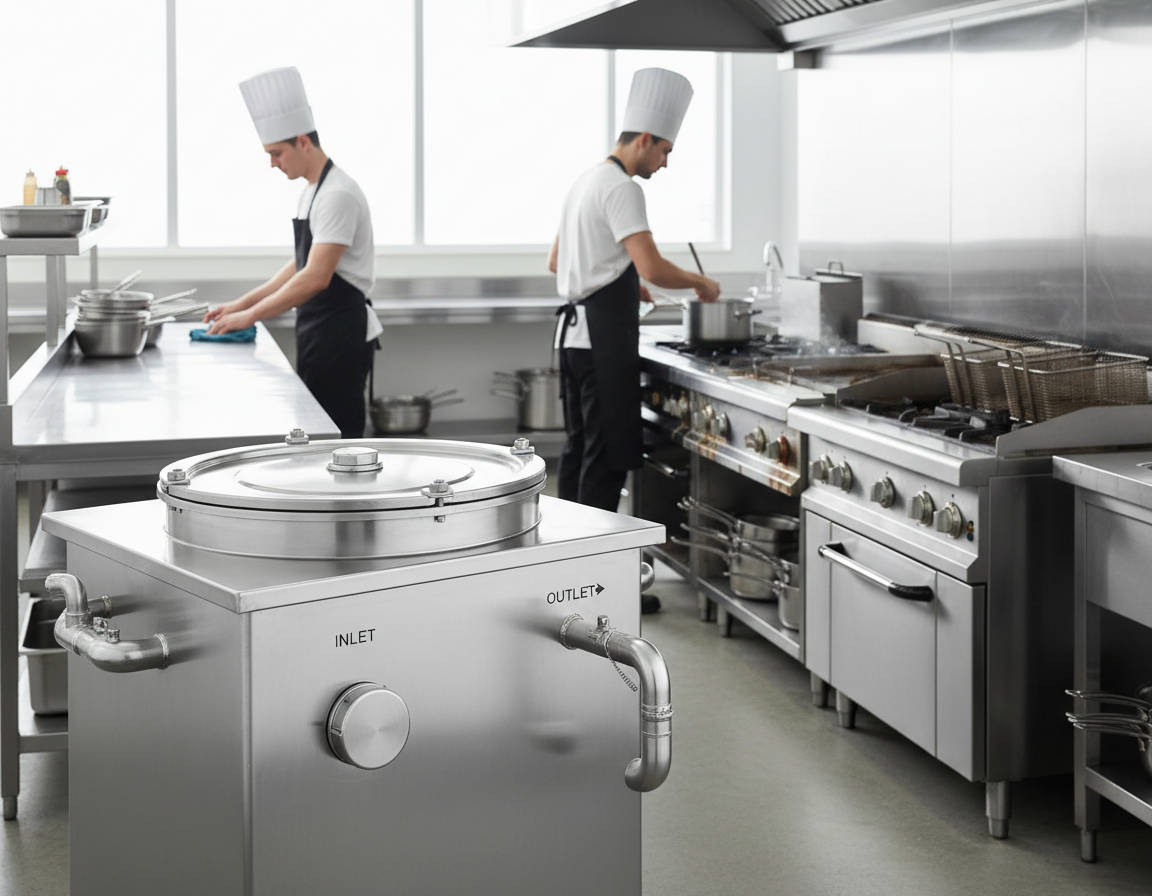
Grease Trap Replacement Marina Del Rey Services for High-Volume Restaurants

Imagine if that must-do maintenance task in your professional kitchen was really an overlooked opportunity for improved commercial success?

That’s the realization I gained when I ran into the necessity to replace the unit. This critical piece of equipment has changed dramatically from its Victorian-era origins. Current technology offers options much better than outdated systems.

Read More About Grease Trap Cleaning
Go To Website Of Grease Trap Cleaning
Read More About Grease Trap Pumping

From my standpoint, upgrading wasn’t simply a cost. It felt like a strategic move to cut long-term costs and to prevent plumbing issues down the road. I understood this upgrade would affect day-to-day operations for years to come.

For that reason I handed this high-stakes service work entirely to the pros at Grease Cleaning Pros. Their crew’s deep understanding of the technical and practical parts of this work gave me full confidence.

This article is the comprehensive guide I wish I’d had.

It will walk you through each key factor to review for a seamless, well-planned Grease Trap Replacement that helps the whole operation.

Overview Of Grease Trap Replacement In Commercial Kitchens

The behind-the-scenes plumbing infrastructure inside a commercial kitchen serve a vital role in everyday production and long-term reliability. Learning about these systems enables operators make well-informed decisions about maintenance and upgrades.

Why Grease Traps Are Essential For Your Kitchen

These dedicated plumbing components capture fats, oils & grease before they reach the sewer system. Without proper separation, serious blockages will disrupt my entire production flow.

The internal baffle system inside these traps reduces water flow , allowing separation to take place naturally. Clean water flows through the drain while unwanted solids are held back. This process prevents blockages in piping and prevents overflow events.

How Grease Trap Replacement Enhances Operational Efficiency

Replacing older equipment with professional services boosts wastewater handling substantially. Modern technology cuts how often of drain-line issues that can halt service.

Well-sized systems also support keeping compliance with health & environmental regulations. This compliance avoids penalties and potential operational shutdowns that could disrupt business continuity.

Grease Trap Cleaning & Pumping

Common Problems Without Proper Systems Benefits With Modern Equipment Impact on Kitchen Operations
Recurring drain clogs Steadier wastewater flow Less downtime
Backups in sewer lines Overflow prevention Steady production
Regulatory violations Compliance maintained Business protection
High-cost plumbing repairs Long-term savings More stable budgeting

Key Factors To Consider In Grease Trap Replacement

Picking the right system for my kitchen’s plumbing involved more than just looking at sticker prices. I wanted to see the complete financial picture that would shape my business for years.

That complete approach saved me money and prevented unplanned operational disruptions.

Total Cost Of Ownership Beyond The Purchase Price

The initial price tag is only one part of the overall cost. I learned to calculate ongoing costs like routine pump-out fees and maintenance costs. These recurring charges can dramatically impact the yearly budget.

Certain units might need replacing in half the time than longer-lasting options. Replacing early can cancel out any upfront savings. Investing in higher-quality equipment tends to be cheaper over time.

Automatic systems can reduce how often servicing is needed, saving labor and costs. Larger-capacity models might require pump-outs less often. These operational gains build long-term savings.

Maintenance, Cleaning, And Availability Of Replacement Parts

Different trap designs have varying maintenance requirements. Some operations have staff to do cleaning in-house. Other operators opt for a professional service for consistent outcomes.

Parts availability was a major factor in my case. Being forced to wait weeks for a critical component in peak season can disrupt service. I confirmed that essential parts were readily accessible.

Scheduled maintenance help budget costs and reduce surprises. Learning predictable part replacement intervals supports smarter budgeting. This proactive approach helps protect the business from unexpected downtime.

Assessing Durability And Code Compliance

The material composition in my new unit became a decisive factor in how I decided. I needed a system that could withstand daily kitchen load while complying with all legal requirements.

Evaluating Materials And Long-Term Reliability

Traditional concrete units corrode quickly with constant exposure to kitchen waste. They struggle with the harsh conditions as time goes on.

Many older metal designs usually last roughly 7 years before breakdown begins. That short lifespan leads to regular system swaps.

Modern options use stainless steel and corrosion-resistant polyethylene. Examples like Big Dipper and Trapzilla have a proven track record that exceed 20 years.

New plastic-based models fight corrosion and rust reliably. That durability can justify the initial investment by a longer service life.

Code compliance is just as important for a working kitchen. The system must meet local, state, and federal regulations from day one upon installation.

Grease Cleaning Pros guided me navigate rules set by health departments, building inspectors, and sewer authorities. They confirmed my selection satisfied each plumbing and building standard.

Grease Trap Replacement Options And Best Practices

Handling a unit that isn’t working requires careful review of repair versus replacement. That decision impacts kitchen efficiency and operating budget in a big way. I review several factors before selecting the best path forward.

Comparing Repair Versus Replacement Remedies

Small leaks around seals usually point to routine wear. These problems are often fixable with professional service. That approach saves money when the equipment is relatively new.

However, ongoing clogs and major structural damage signal bigger issues. An aging unit with corrosion can require a full replacement. Replacement is the only practical option in these cases.

I weigh near-term repair costs versus long-range efficiency. Frequent breakdowns add unseen costs due to kitchen downtime. A new installation often turns out more cost-effective long-term.

Selecting A Reliable Service Provider

I trust Grease Cleaning Pros because of their thorough assessment process. They help me understand whether repairing or replacing better serves my operation. Their know-how prevents minor issues from becoming big disruptions.

Professional installation work helps ensure proper sizing and code compliance. This attention to detail helps protect operations from plumbing problems later. Partnering with experts gives me confidence in equipment performance.

Sizing And Installation Considerations For Commercial Kitchens

Determining the proper specifications for a foodservice facility’s drainage system required careful math. Getting it right influences both code compliance and efficiency substantially.

Collaborating with Grease Cleaning Pros helped me determine the precise capacity the operation needs. They consider sink dimensions, equipment output, and daily meal volume.

Understanding Capacity Needs And Space Constraints

Menu choices dramatically affect wastewater composition. A kitchen serving fried foods generates heavier loads than a kitchen preparing salads.

Urban locations often don’t have room for traditional large tanks. Grease Cleaning Pros showed me space-saving solutions that fit basement or multi-floor installations.

Their professional tools determine exact requirements without wasteful oversizing. This approach cuts costs while ensuring code compliance.

Accurate sizing prevents repeat clogs and costly emergency services. It also maintains a smooth workflow during the busiest hours.

Maintaining Your Grease Trap For Long-Term Performance

Correct upkeep of my drainage equipment extends service life while protecting operations from high-cost plumbing emergencies. I partner with Grease Cleaning Pros to establish a maintenance routine that helps keep everything running well.

Their experience helps me sidestep major problems that might take down kitchen operations. Routine attention prevents minor problems from becoming serious problems.

Effective Cleaning And Routine Maintenance Tips

I schedule professional servicing every one-to-three months based on kitchen volume. This regular cleaning removes built-up debris before it leads to clogs.

Between professional visits, I use strainers to catch food particles. Staff knows to place food waste in designated bins rather than sending it down the drain.

Recognizing Early Signs Of Grease Trap Failure

I look for warning signals such as unpleasant odors or sluggish drainage. These often indicate issues developing that call for quick attention.

Clogged lines and frequent pump-outs suggest the system is under strain. I deal with these symptoms quickly to prevent total failure.

Strategies For Preventing Plumbing And Sewer Issues

Scheduled inspections find leaks and early corrosion early. This preventive approach keeps me away from emergency repair calls and operational disruptions.

Proper waste disposal practices stay the first line of defense. Training staff properly stops most drainage issues before they ever begin.

Maintenance Practice Frequency Expected Outcome
Professional cleaning Every 1–3 months Prevents blockages and odors
Use of sink strainers Daily Cuts solid waste entry
Employee training Ongoing Better waste disposal habits
Visual inspection Weekly Early problem detection

Conclusion

Investing in reliable wastewater control has been critical to my business success. Relying on Grease Cleaning Pros for equipment needs provided professional guidance throughout the entire process.

This resource walked through the key factors to make well-informed decisions. From learning why these systems are essential to picking the right type and size, every consideration matters.

Considering total costs beyond the purchase price alone ensures lasting value. Correct sizing and compliance safeguard operations from regulatory issues while successfully handling kitchen discharge.

Hiring a professional service makes sure correct installation and maintenance. That partnership prevents major plumbing issues that could disrupt a commercial kitchen.

I encourage other operators to use this comprehensive resource when dealing with equipment choices. Applying these proven best practices protects your plumbing systems and ensures smooth operations well into the future.

FAQ

How do I know when my commercial kitchen needs a new system instead of just a repair?

I pay attention to specific signs such as constant drain clogs, sluggish drainage, or bad odors coming from the tank. If my plumbing lines are backing up frequently even with routine maintenance, it’s usually an indicator the unit is breaking down. A professional assessment can determine if a repair will do or if a full replacement is the better long-term solution for my operation.

What factors influence the total price of installing a new unit in my food service establishment?

The total cost comes down to the size and the material of the new tank, the complexity of the installation, and local code rules. Labor, permits, and any needed upgrades to the piping or sewer connection also increase the cost. I typically ask for a detailed quote that itemizes each of these items to understand the full investment.

What are the benefits of choosing a high-quality, durable material for my new interceptor?

Investing in a heavy-duty material, like heavy-duty plastic or concrete, can mean the system can last for years with fewer problems. A long-lasting tank helps resist corrosion from FOG and waste, which reduces the need for costly repairs. This reliability protects plumbing and helps me prevent costly sewer line issues later on.

Can I handle the cleaning and upkeep myself, or should I hire a professional service?

Although I can handle basic upkeep, including scraping plates and using strainers, the deep cleaning required by health rules is best left to experts. A professional provider uses the equipment and knowledge to pump out the interceptor, look for early signs of failure, and handle the waste correctly. Ongoing service is critical for reducing clogs and ensuring the kitchen runs smoothly.

How important is correct sizing for my new interceptor, and what happens if it’s wrong?

Correct sizing is critical for good performance. If the unit is undersized, it fills too quickly, which can cause overflow events and possible code violations. When it’s oversized, it’s an unnecessary upfront cost and it takes more space than needed. I rely on a provider who calculates the correct capacity using water usage and food output to avoid these issues.

Related: Grease Trap Cleaning Compton: Restaurant Owner’s Compliance Checklist

Grease Trap Repair Palmdale Compliance with Local Regulations
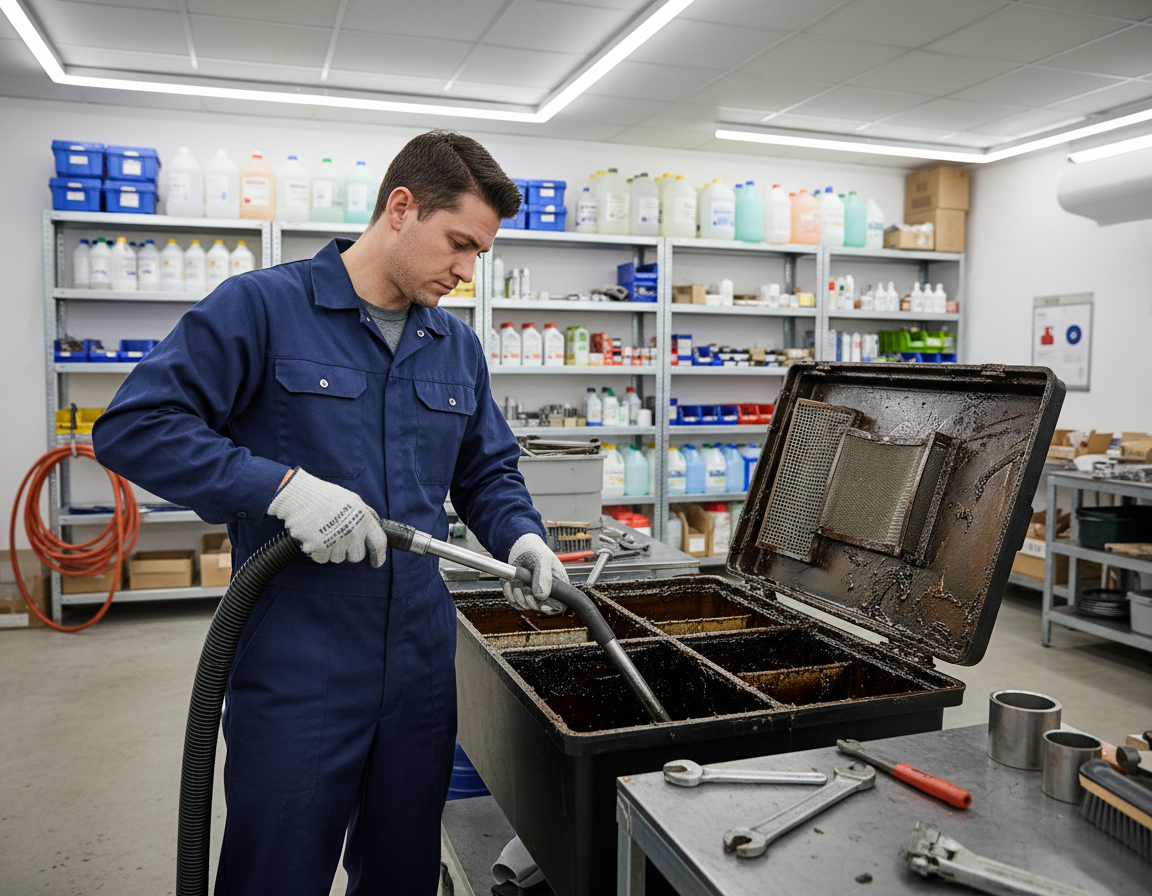
Shockingly, built-up grease causes nearly close to 40% of sewer blockages across some U.S. cities. A single failing grease interceptor can shut down a kitchen and trigger costly fines overnight. This guide is for business owners and facility managers in the United States. It explains grease trap replacement—when to act, what it costs, and how to keep kitchens compliant and free of odors. Grease traps (grease interceptors) separate fats, oils, and grease (FOG) from kitchen wastewater. That helps prevent sewer backups and environmental contamination.

This Webpage Is About Grease Trap Cleaning
Check Out Grease Trap Pumping

You’ll learn practical indicators that replacement is needed. You’ll also understand when a repair is enough versus a full replacement. Proper grease trap installation and ongoing maintenance extend its service life.

Timely replacement preserves operations, avoids health-code penalties, and prevents bacterial growth and foul odors. Left unchecked, these issues can hurt your reputation and even property value. Using a professional installer like Grease Cleaning Pros ensures proper sizing, efficient installation, regulatory compliance, and post-job staff training. This is critical for restaurant grease trap replacement, where downtime hits revenue.

The article ahead covers when to replace, replacement versus repair, cost estimation and financing, installation best practices and permits, maintenance routines, commercial-scale upgrades, and how to choose a qualified contractor for grease trap installation and upkeep.

Grease Trap Cleaning & Pumping

Key Highlights

  • Grease traps protect sewer systems by capturing FOG before it reaches the plumbing.
  • On-time grease trap replacement helps prevent fines, odors, and expensive emergency repairs.
  • Professional services such as Grease Cleaning Pros help ensure proper sizing and compliance.
  • Consider replacement if you see frequent clogs, persistent smells, or failed inspections.
  • Strong grease trap maintenance and correct installation reduce long-term costs.

When You Should Consider Grease Trap Replacement

Choosing grease trap replacement comes down to watching for straightforward signs and checking maintenance records. Kitchens with high traffic or newly added equipment may need a bigger interceptor. Finding problems early reduces costs and prevents disruptive downtime.

Common warning signs

Strong odors near drains or in the kitchen typically signal trapped FOG and bacterial activity. If drains run slowly or sinks empty sluggishly, that can indicate partial blockages. Grease backing up into sinks or floor drains is a sign solids are surfacing and the risk is urgent.

Look for visible damage such as cracks, corrosion, or leaks at joints and seals. Rusted metal indicates structural failure. If clogs keep returning or pumping is needed too often, even after cleaning, the unit may be nearing end of life.

Inspection and assessment process

A grease trap inspection starts with a visual check of access covers, baffles, and piping. Technicians measure the grease and solids layers and inspect for corrosion, cracks, and leaks. Service logs are reviewed—maintenance dates, pumping frequency, and repair notes included.

Then, flow and capacity are evaluated. Comparing current flow/output to the trap’s rated capacity reveals whether it’s undersized. Professionals use scopes, cameras, and depth gauges to confirm internal condition. Companies such as Grease Cleaning Pros advise repair vs. replacement based on age, structural integrity, and performance.

Risks of postponing replacement

Putting off replacement raises the risk of major sewer backups, emergency plumbing bills, and health-department fines. These can force temporary closures. Minor temporary fixes often turn into recurring expenses that exceed the cost of a new installation.

Downtime from emergency repairs hurts service quality and revenue. Environmental penalties and liability risks rise if FOG enters municipal systems. Examples show that proactive maintenance plus timely replacement lowers emergency calls and long-term repair costs.

Sign or Issue Short-Term Step Long-Term Plan
Persistent odors Schedule grease trap cleaning and odor treatment Inspect the grease trap; plan a replacement if odors persist
Sluggish drainage Clear blockages and monitor flow Check capacity; consider a larger unit or replacement
Grease backups Perform urgent pumping and cleanup Inspect for damage; replace if it keeps happening
Structural corrosion or cracks Contain leaks and limit use Replace to avoid structural failure and fines
Ongoing clogs even after cleaning Temporarily increase cleaning frequency Evaluate repair vs. replacement with Grease Cleaning Pros

Grease Trap Replacement

Choosing between repair and replacement hinges on a thorough evaluation. Important considerations include the unit’s age, the severity of damage, and its service history. Often, opting for replacement over repair can lead to significant long-term savings. That’s because it prevents recurring failures and downtime.

Replacement Versus Repair: Decision Factors

Age is a major factor. Units over ten years old often exhibit corrosion and wear, impacting reliability.

Damage severity is another major consideration. Cracks, leaks, collapsed components, or severe corrosion often means replacement is the safer choice, not repair.

Frequency of failures is also important. Repeated clogs or frequent service calls suggest replacement is needed to keep flow consistent.

Conduct a cost analysis. Compare the total repair costs to the upfront replacement cost, factoring in reduced maintenance over time.

Ensure the trap’s capacity matches current operations. An undersized trap can cause overflows and code violations, which may require replacement.

Types Of Grease Trap Replacement Solutions

Passive grease traps are affordable and straightforward. They work well for low-volume kitchens but need more frequent cleaning.

Automatic Grease Removal Units (AGRUs) use mechanical removal to extract grease. They’re ideal for high-volume kitchens, reducing manual labor and keeping waste lines cleaner.

Grease interceptors, including large in-ground tanks, are necessary for high-flow restaurants and institutional kitchens. Many local codes mandate these for large operations.

Biodigesters and biological adjuncts break down FOG, extending the time between cleanings when used alongside physical traps.

Material selection impacts cost and lifespan. Options include concrete interceptors, stainless steel, or polyethylene, each with different durability and installation requirements.

Typical Grease Trap Replacement Workflow

First, a technician evaluates the site and provides a detailed quote. Grease Cleaning Pros provides transparent quotes and clear options.

Next, select the appropriate trap type, material, and capacity based on kitchen volume, appliances, and local regulations.

Then, obtain permits as needed and schedule work to reduce downtime for the kitchen.

Remove the old unit, pump out the waste, and prep the site as required.

Install the replacement unit, connect plumbing, and ensure correct slope and venting.

Test the system by checking for leaks and verifying flow rates and grease separation performance.

Deliver staff training, a maintenance schedule, and log templates. Grease Cleaning Pros stresses post-install training and follow-up planning as essential.

Estimating Grease Trap Replacement Costs And Financing

Replacing a grease trap is more than just the cost of the unit. It requires understanding total cost—equipment, labor, disposal, permits, and ongoing service. Grease Cleaning Pros suggests requesting detailed estimates to weigh the upfront cost against long-term value.

Cost drivers to expect

Unit size and rated GPM significantly affect cost. Larger units require more equipment and labor, increasing the overall expense. The choice of material also plays a role, with concrete and AGRU systems being more expensive than plastic or stainless units.

Installation complexity is another major factor. If the job requires excavation, plumbing reroutes, or tight-space work, labor costs can rise. Local permits and inspections add to the expense and schedule.

Waste removal is a critical cost factor. Proper disposal of fats, oils, and grease (FOG) needs to be accounted for. Access challenges can also raise both pumping and installation costs.

Typical price ranges

For low-flow kitchens, small passive replacements commonly cost $1,500–$3,000 including basic installation. Mid-range units and many underground interceptors typically range from $3,000 to $7,000, depending on material and site work.

Large-capacity interceptors or AGRU installations for high-volume kitchens often start near $5,000 and can exceed $10,000 when excavation and extensive site work are required. Installation-only work can run from several hundred to several thousand dollars.

Plan for ongoing costs. High-volume kitchens may need scheduled pump-outs every one to three months. Pricing for grease trap pumping varies by region and service company.

Financing and budgeting strategies

Request transparent, itemized quotes from contractors like Grease Cleaning Pros. Weigh lifetime operating costs against the upfront investment to choose wisely. Service contracts that bundle maintenance, pumping, and emergency response can help stabilize operating budgets.

Consider short-term financing, a business line of credit, or vendor payment plans for grease interceptor projects. Some suppliers provide phased payments to reduce cash-flow strain.

Keep records of maintenance, receipts, and permits. Good documentation supports municipal compliance and may help you pursue rebates or incentive programs. Planning for routine care helps extend unit life and lowers the total cost of ownership.

Cost Item Typical Cost Range (USD) Details
Small passive unit with basic installation \$1,500–\$3,000 Suitable for low-flow kitchens; minimal site work required
Mid-range interceptor (underground options) About \$3,000 to \$7,000 Material and complexity drive price; may need moderate excavation
Large interceptor or AGRU system \$5,000–\$10,000+ For high-volume commercial kitchens; concrete in-ground units tend to cost more
Installation-only services (labor, plumbing, permits) \$500 – \$4,000+ Varies by access, reroutes, and local code requirements
Grease trap pumping (per service) \$100–\$500+ Frequency depends on kitchen volume; regional pricing applies
Annual service contract About \$600 to \$3,000+ Typically includes pumping, inspections, and priority response
Financing arrangements Depends Vendor plans, business credit lines, and short-term loans may be available to finance grease interceptor projects

Grease Trap Installation Best Practices And Code Compliance

Correct installation is essential for grease trap longevity, performance, and regulatory compliance. Following established best practices helps prevent backups, fines, and expensive repairs.

Proper Sizing & Selection

Start by measuring peak wastewater flow and considering hours of operation and cooking equipment type. Use local codes to ensure the right capacity. An undersized unit will overflow quickly.

Choose the right system for your business. Passive traps are a fit for low-volume kitchens. For high-volume operations, consider an automatic grease removal unit or a commercial interceptor. Choose materials based on corrosion resistance and site demands. Stainless steel and concrete are popular due to durability in commercial settings.

Grease Trap Installation Checklist

Start by assessing drain flow rates, structural capacity, and access for maintenance. Make sure the existing FOG is removed and disposed of properly before the new unit goes in.

  • Placement: confirm equipment clearance and easy maintenance access.
  • Piping and slope: install correct piping with proper slope, venting, and backflow prevention.
  • Seals and covers: use secure baffles, non-slip covers, gaskets, and seals to stop leaks and odors.
  • Testing: run pressure and water-flow tests to confirm leak-free connections and proper flow.
  • Documentation: record installation details/serial numbers and provide a maintenance log template plus basic staff training on operation and safety.

Local Regulations And Permitting

Many cities require grease interceptors along with regular maintenance documentation. Health departments and public works departments enforce these rules to protect sewer systems.

Obtain necessary permits for new installations, in-ground interceptors, or major plumbing changes. Plan for post-install inspections. Make sure pumped grease is disposed of in line with local waste-handling rules. Companies such as Grease Cleaning Pros can handle compliant removal and disposal.

Keep thorough service records and pumping logs to prove compliance during inspections. Failing to comply can trigger fines or even shutdowns. Maintain solid documentation and follow best practices throughout.

Grease Trap Maintenance To Extend Lifespan

Keeping equipment in good condition helps prevent expensive repairs. Routine maintenance prevents backups, reduces odor complaints, and extends grease trap life. The best outcomes come from a simple plan: routine cleaning, strong kitchen practices, and targeted treatments.

Recommended Cleaning Schedule

Cleaning frequency depends on kitchen volume. Most places clean every 1–3 months. High-volume restaurants may need monthly service, while smaller cafes and delis can often handle quarterly cleanings.

Monitor grease and solids depth and schedule service before capacity limits are reached. Use a certified professional for thorough removal and compliant waste disposal. Grease Cleaning Pros suggests maintaining pumping schedules and logs to support inspections and waste manifests.

Daily Operational Best Practices For Staff

Train staff to scrape plates and collect cooking oil and solids in designated containers. Avoid dumping large volumes of oil into sinks. Use sink strainers and floor-drain screens to catch debris before it reaches the interceptor.

Avoid flushing with hot water, because it can liquefy grease and push it past the trap, causing blockages. Perform quick daily checks for odors, slow drains, or visible buildup. Write these findings into a log so you can follow up quickly.

Using Biological Treatments And Monitoring

Biological treatments—such as enzyme and bacterial products—help break down FOG. They can help extend the time between mechanical cleanings. Apply products according to directions, commonly weekly. Treat them as a supplement—not a replacement—for scheduled cleanings and pumping.

Create a monitoring routine: measure grease depth, log treatment dates, and track pumping schedules. This monitoring data helps optimize service intervals and reduce emergency calls, cutting annual maintenance costs.

Commercial Considerations For Restaurants & Large Operations

Large restaurants, hotels, and food-production facilities face unique demands for grease management. Upgrading equipment and service plans can reduce downtime. That helps ensure compliance with local rules and protects plumbing systems from expensive backups.

Upgrading to heavy-duty interceptors or AGRUs makes sense when peak flows exceed small-trap capacity. In-ground grease interceptors handle higher volumes. AGRU installation offers automation, reducing manual labor and keeping kitchens running during busy shifts.

Upgrading To Commercial Interceptors Or AGRUs

Pick materials for long life: concrete interceptors work well for rugged, high-volume sites. Stainless steel AGRUs provide reliable mechanics and faster access for service. Proper sizing lowers the frequency of pump-outs and meets municipal compliance requirements.

Maintenance Contracts And Emergency Support

Maintenance contracts provide scheduled pump-outs, inspections, documentation, and priority emergency response. Clear response-time commitments and fixed emergency pricing help reduce unexpected downtime. This stabilizes operating costs.

Grease Cleaning Pros and many established third-party providers offer 24/7 emergency service. This support reduces business disruption and limits health hazards. Contracts should include service logs that support insurance claims and municipal inspections.

Case Study & Cost Savings Example

A busy bistro switched to monthly maintenance, staff training, and a correctly sized interceptor. The owner cut plumbing service calls by 80%. This saved roughly $5,000 annually by reducing repair needs and labor costs.

Higher upfront spend on AGRU installation or a properly sized interceptor often returns value. Benefits include fewer service calls, lower fines, and longer equipment life. Routine grease interceptor service plus a maintenance contract creates predictable budgeting and stronger operational resilience.

Choosing A Professional: Grease Cleaning Pros And What What To Expect

Selecting Grease Cleaning Pros gives you access to trained technicians and full-service support for your commercial kitchen. They provide services such as grease trap replacement, pumping, and repair, along with regular cleaning. Their expertise helps reduce downtime and ensures your operation meets local FOG regulations.

First, you’ll have an initial consultation to discuss trap size, location, and the last maintenance date. Then, technicians perform an on-site inspection. They’ll pump the trap, check for corrosion or leaks, and recommend repairs or replacements. You’ll receive a detailed quote that outlines costs for trap size, installation complexity, permits, and disposal.

A professional install typically includes removal of the old unit, site preparation, and installation of the new interceptor or AGRU. They handle piping, testing, and commissioning. Post-service, Grease Cleaning Pros will provide documentation, a maintenance plan, and training on daily practices to extend equipment life.

You can expect 24/7 emergency response plus compliant disposal of collected FOG. They also offer optional maintenance contracts with scheduled pump-outs and priority service. For restaurants and large operations dealing with frequent grease issues or regulatory risk, it’s wise to engage Grease Cleaning Pros for an assessment and clear estimates. This helps protect your business and reduces long-term costs.

Related: Grease Trap Cleaning Compton: Restaurant Owner’s Compliance Checklist

Find Out More About Eco-Friendly Local Vending Services Norman OK Practices

Unexpected stat: Seventy percent of employees say better on-site snack and drink options boost morale and reduce break time — an easy upgrade with measurable impact. Vending Service Norman is a Norman-based partner that brings proven solutions for Norman-area organizations. We install at no charge and run complete programs funded by product sales, so your business sees benefits without upfront work.

Find out more about local vending services Norman OK

Our approach keeps consistent refreshments in your office today. Popular brands like Coke, Pepsi-Cola, Gatorade sports drinks, VitaminWater, and Dasani water are available, plus snacks and better-for-you choices. We handle inventory, repairs, and fast support so your staff stays locked in.

Whether you need classic vending cabinets, micro-markets, coffee bars, pantry service, or water solutions, we scale from a single building to multi-site deployments under one agreement. The result: better-supported employees, fewer off-site breaks, and cleaner daily operations for your team.

Key Takeaways

  • Free installation with programs funded by product sales.
  • Top national drink and snack brands plus health-conscious options.
  • Full inventory and repair management so staff can stay focused on work.
  • Options range from cabinets to micro-markets and pantry services.
  • Scalable support for single buildings or multi-site organizations.
  • Designed to boost employee satisfaction and reduce downtime.

Vending Service Norman: Trusted, Full-Service Vending For Offices And Businesses

For Norman businesses that need dependable on-site refreshments, a full program handles setup, stocking, and repairs for you.

Boost Morale And Productivity With On-Site Refreshments

Staff and customers enjoy fast access to snacks and beverages that reduce off-site breaks and improve focus. A steady supply of popular brands keeps everyone happy and productive.

Free Installation, Stocking, And Ongoing Service

Installation, restocking, and maintenance are bundled at no charge. Our team manages product selection—Coca-Cola, Pepsi, Diet Coke, Mountain Dew sodas, Gatorade, VitaminWater, Dasani—and healthier snack options tailored to your site.

What We Do Benefits Brands  /  Choices
Install & stock No equipment cost; rapid setup National sodas, water, energy drinks
Maintenance & customer service Less disruption; one point of contact Snacks and healthier options
Program oversight Uniform standards across sites Custom lineups per site

We coordinate all maintenance and repairs, and our customer service responds promptly to keep every machine working. Schedule a short assessment to get vending in place that fits headcount, traffic, and workflow.

Vending Machine Services Tailored To Your Workplace

We begin by studying your floor layout and staff patterns to build a site-specific refreshment plan. A short site visit reveals traffic flow, break spots, doorways, and power access so we can design a practical setup that fits your workspace.

Snacks, Drinks, And Healthy Vending Choices

Programs include traditional cabinets, micro markets, coffee bars, pantry support, and hydration stations. Product selection spans major beverage brands and a range of snacks, plus better-for-you options tailored by location.

Office Vending, Micro Markets, And Coffee Solutions

Office vending setups are simple to deploy for compact areas. Micro markets add broader options, fresh items, and self-checkout. We also integrate coffee solutions so breaks feel cohesive across departments.

vending machine companies Norman TX

Right-Sized Programs For Your Team And Your Space

Plans scale from a small floor to a full campus. We use sales data to refine offerings, honor special requests like nut-free zones or zero-sugar items, and place equipment for ADA access and clear pathways.

  • Evaluate layout, headcount, and traffic to recommend the right mix.
  • Provide flexible choices from classic snacks to wellness assortments.
  • Schedule routine reviews with your team to refresh planograms seasonally.

The result is a right-sized program that keeps your employees fueled, reduces downtime, and aligns with company policies and wellness goals.

What’s Included In Our Full-Service Vending Program

Our full-service program takes over everyday refreshment management so your team never worries about stock or downtime.

Installation, Setup, And Training At Zero Cost

We handle installation and initial setup at zero cost. Training for your staff is included to limit disruption during onboarding.

Stocking, Restocking, And Ongoing Maintenance

Products are stocked and restocked on a schedule tuned to actual sales velocity to make sure popular items stay available.

Proactive maintenance and rapid-response repairs cut downtime. We manage all ticketing and dispatch so your staff does not chase vendors.

Clear Agreements And Reporting

The agreement is simple and transparent with defined service standards, restocking cadence, and no surprise fees for the customer.

We provide sales summaries and product performance insights to guide future updates and equipment changes.

Included Offering Value Equipment notes
No-cost install & training Fast onboarding; low disruption Stack models: 7 to 9 selections
Restocking & rotation Fresh items; date checks included Glass-front models: larger assortments
Maintenance and reporting Fast repairs; clear performance data Upgrade options if demand grows

Product Selection Your Employees And Guests Actually Want

Local usage data guides which beverages and snacks appear on each floor or in each break area. This keeps popular items in stock and reduces runs to the store.

Top Beverage Brands And Hydration Options

We stock national beverage names like Coca-Cola, Pepsi-Cola, Diet Coke / Coke Zero, Mountain Dew sodas, Gatorade sports drinks, vitaminwater, and Dasani water. Water, energy drinks, and low- or no-sugar options support wellness goals.

Snack Choices From Classic To Better-For-You

Snack assortments range from chips and candy to gluten-free, nut-free, and vegetarian items. We rotate new choices seasonally and retire underperformers based on sales data.

Customize The Mix By Location And Preferences

Each vending machine is tailored by building, floor, or department so the product lineup reflects what customers buy there.

  • Transparent pricing and clear ingredient/allergen labels.
  • Stocking timed for peak periods, shift changes, and events.
  • Bigger sites can support premium assortments or glass-front displays.
Category Examples / Options Why It Matters
Drinks Coke, Pepsi, Gatorade, Dasani Hydration and quick energy during busy shifts
Snacks Chips, candy, protein bars, healthy options Variety keeps options fresh and satisfying
Specialty items Gluten-free, nut-free, vegetarian Supports dietary needs and workplace policies

We review employee feedback and sales reports to refine the selection. Facility managers can request brands so assortments align with company culture and local tastes.

Breakroom Solutions Beyond Vending Machines

Transform shared spaces into a consistent employee perk by connecting micro markets, coffee service, and pantry support.

Micro markets expand breakroom choices with fresh food, refrigerated meals, and self-checkout. These markets bring a retail feel and broader assortments than traditional equipment can hold.

Coffee, Tea, Pantry, And Water

Office coffee options run from bean-to-cup brewers to large batch systems. Tea service fits small teams or large break areas. Pantry programs may offer subsidized or complimentary snacks to boost retention.

Hydration choices include filtered dispensers and five-gallon delivery to pair with coffee and support wellness goals.

Service Why It Helps Key Features
Micro markets Fresh menus and variety Refrigeration, self-checkout, 24/7 access
Coffee and tea Better breaks and higher morale Bean-to-cup brewers, batch systems, staff training
Pantry & water Employee benefit; wellness support Subsidized snacks, filtered water, delivery service

Vending Service Norman team combines markets, coffee, and pantry under one coordinated plan. We monitor sales to right-size supplies, add sustainability options, and secure modern payment features for smooth operations.

Equipment, Placement, And Space Needs

Start with a short survey to match machine size and delivery needs to your layout. Vending Service Norman (VSD) evaluates fit, access, and traffic before installation so there are no surprises.

Standard Dimensions And Space Footprint

Typical equipment measures roughly 72” high x 39” wide x 33” deep. Allow extra clearance for the door, service access, and ADA compliance.

Plan for a 3–4 ft front clearance and a 36″ pathway for safe use and maintenance.

Minimum Location Qualifications

Operational thresholds guide where soda and combined soda and snack placements make sense.

Location Type Recommended minimum Notes / Considerations
Office / Manufacturing 40–75 FTEs Larger headcount supports soda + snack combos.
Retail / public-facing 60–100+ employees or strong foot traffic Public sites require more volume to stay stocked.
Hotel 40 to 60+ guest rooms Room count increases demand for beverage options.
Multi-family communities 100+ units Snack-only placements often aren’t viable.
  • Prepare the space: nearby outlets, level floor, and clear doorways for delivery.
  • Select visible, high-traffic areas that won’t block exits or work aisles.
  • Confirm dock access, elevator dimensions, and building delivery windows ahead of time.
  • Use clear signage and focused lighting to reduce peak-time bottlenecks.
  • Snack-only placements are usually avoided at retail and apartment sites due to low sales.

A simple site survey will confirm counts, map the space, and finalize the equipment mix. We handle measuring, scheduling, and coordination with building management so businesses can focus on operations.

Smart Technology, Payments, And Dependable Customer Service

Real-time data and cashless options deliver faster throughput and clearer inventory control. Our approach prioritizes uptime, convenience, and clear communication so staff spend less time waiting and more time working.

Modern Payment Options And Inventory Management

Touchless tap, chip cards, and mobile wallets speed checkout at each vending machine. UI settings are tuned for workplace peak periods so lines move quickly during breaks.

Remote inventory monitoring flags low-stock items and triggers report-driven restocking. That reduces outages and helps tailor product mixes by location.

Fast Repairs And Responsive Customer Support

Clear SLAs define response and resolution times so downtime stays minimal. Streamlined ticketing lets facilities submit requests in seconds and track progress without repeated follow-ups.

  • Tap, chip, and mobile wallet support for quicker checkouts.
  • Remote telemetry and sales dashboards for smarter restocking.
  • Defined SLAs and fast parts access to shorten repair time.
  • Secure access controls and ADA-friendly UI settings for safety and accessibility.
  • Scalable solutions with one contact for consistent multi-site service.
Function Benefit Notes
Cashless payments Faster throughput Cuts queues at peak times
Remote inventory Fewer outages Data-driven restock cycles
Service SLAs Reduced downtime Transparent service targets

Together, these solutions minimize friction and save time for your teams. Better tech and reliable customer service mean equipment stays productive and employees get back to work faster.

Serving Norman Businesses With Flexible, Multi-Site Management

A single contract and account manager make multi-site refreshment programs straightforward to run. This approach centralizes communication and accountability for organizations with multiple Norman locations or regional footprints.

One Point Of Contact And A Streamlined Agreement

We provide one account lead and one agreement that covers all locations. That reduces vendor overhead and speeds decision-making for operations teams.

  • Standardized service levels, reporting cadence, and quality benchmarks at every site.
  • Flexible rollout timelines that coordinate delivery teams, building access, and staff training.
  • No-cost installation, stocking, and repairs under the full-service program with site-specific assortments.
  • Consolidated billing and unified dashboards for easy budget tracking and performance insights across machines.
  • Adaptable markets and office layouts using local data to refine product mixes and placement.
  • Centralized support that speeds responses and keeps sites productive and stocked.
Included Feature Benefit How it helps
One contract Less admin One invoice and one SLA across all locations
Dedicated account manager Quicker response Main contact for service and planning
Unified dashboard Clear insight Live sales and restock data

As teams grow or move, we add or shift equipment without disrupting daily operations. Operations leaders can get vending launched today with a brief assessment and phased plan tailored to their footprint.

Final Thoughts

Turnkey breakroom programs speed installation and keep teams fueled without upfront costs. Our full-service vending and micro markets combine coffee, water, snacks, and popular drinks into a cohesive breakroom experience that fits your office footprint.

Installation, stocking, repairs, and ongoing maintenance are included at no cost so facilities staff can focus on core priorities. Product selection is customizable with healthy vending options and well-known brands employees and guests enjoy.

Solutions scale from single sites to multi-location rollouts under one agreement and one account lead. Expect fewer off-site trips, shorter break time, and consistent, responsive customer support that keeps equipment working and shelves stocked.

Get vending going started with a quick site assessment — contact Vending Service Norman team today to plan a program that upgrades your breakroom and boosts productivity.

Related: Leading Vending Machine Companies In San Antonio

How Vending Machine Companies San Marcos Works: Complete Guide

Compact offices in San Marcos can now set up vending services that match their tight spaces and price targets. Companies like Austin Snack Shack, Vending Exchange, and Jewell Girl Vending offer a wide variety of snacks. They have both familiar and health-focused options for different tastes and age groups.

A number of vendors provide vending machine companies San Marcos and delivery at no charge. They also offer same day or immediate installation. Plus, they have complete service programs with scheduled restocking, around-the-clock customer care, and remote stock monitoring. This means staff don’t need to manage breakroom supplies.

Choosing vending services in San Marcos can make the workplace better. It enhances convenience and the breakroom experience. It also offers reliable products at fair prices, which can help keep employees satisfied and healthier.

vending machine services company San Marcos

Why San Marcos Small Offices Choose Local Vending Services

Small offices choose local vendors for daily wins every day. A well stocked breakroom keeps staff on site, saving time. Local vending services position refreshments near high-use areas like copy rooms and lounges.

Local vendors offer setup at no charge and drop-off delivery, making it a smart choice for small businesses. They only charge for what’s sold, reducing costs. This approach helps keep expenses down while providing snacks and drinks.

Local vendors provide personal service, adding value beyond just machines. They work with office managers to select snacks that align with the team’s tastes and health goals. This approach keeps the breakroom stocked with snacks that everyone enjoys.

Local vendors also ensure fast maintenance and repairs. They offer quick-response service, including 24/7 support for full-service plans. This helps small teams avoid long breaks in service.

Benefit What to Expect How It Helps Small Offices
Ease Onsite machines and micro markets Less time offsite, better output
Cost Savings No-cost setup, delivery, equipment Lower overhead and more predictable spend
Tailored service Local account support and owner contact Tailored product mixes and quick issue resolution
Reliable Support Fast maintenance and 24-hour care
Product Variety Traditional snacks, healthier choices, beverages Supports wellness and satisfaction

Going with local vendors for vending services in San Marcos offers a lot of benefits. Offices get a strong range of snacks and drinks. They also rely on services that keep teams happy and productive.

Vending Services For Small Offices In San Marcos

Local providers make it easy for small businesses to add refreshments without upfront costs. Companies like Austin Snack Shack, Vending Exchange, and Jewell Girl Vending offer no-cost full-service programs. These programs place equipment free of charge and cover delivery, installation, and standard maintenance.

Free Full-Service Programs Available To Qualifying Businesses

Qualifying locations get vending machines for small offices for free. The vendor supplies machines at no charge and performs routine restocking. They also handle maintenance and repairs, so owners don’t pay for repair calls.

Setup Steps: Request, Consultation, Installation In A Week Or Less

The setup starts with a short request or online form. Then, a site consultation matches machines and product mixes to your breakroom. Many vendors can deliver and install within a week, depending on availability.

Remote stock monitoring and flexible restocking windows help align service with different shift patterns.

No Hidden Fees — Only Pay For Products Purchased

Pricing is clear: equipment, delivery, installation, and standard maintenance are free. Businesses only pay for the snacks and drinks employees purchase. Machines accept cash, coins, credit and debit cards, plus mobile wallets for convenience.

Office Snack Vending Solutions And Available Machine Types

Picking the right vending equipment is key to a convenient breakroom. Small offices can pick from compact combos or separate units. This matches their space, traffic, and snack variety. Options range from standard snack dispensers to smart units with cashless checkout.

Combo machines are perfect for small spaces. Units like the Seaga 4000 and AMS VISI COMBO offer snacks and drinks in one. They save space and keep a good variety of products available.

For varied traffic levels, separate snack or beverage machines work best. Models like the Alpine ST3000 provide cooler capacity and reliable cooling. Standalone snack venders offer flexible options and make restocking easier.

Smart vending and AI-powered coolers bring modern tech to the workplace. Devices like the Stockwell AI Cooler and Mercato glass-front merchandisers offer autonomous shopping and secure access. They minimize service visits and improve selection data.

Machine Type Best For Key Features
Combo snack and drink Compact breakrooms Dual compartments, LED lighting, iVend delivery guarantees
Separate snack machines High snack turnover Flexible spirals, customizable trays, ADA configurations
Chilled drink machines High beverage demand Reliable cooling, energy-efficient models, glass-front viewing
AI coolers and smart vending Modern offices wanting autonomy Cashless payments, telemetry, secure access, sales analytics

Equipment condition is important for reliability. Most providers offer new, state-of-the-art units. Refurbished options are available but must meet strict standards.

Features like LED lighting and cashless payment acceptance enhance the user experience. These features make vending programs more effective for San Marcos office breakroom snacks.

San Marcos Micro Market Services And Larger Breakroom Options

For larger breakrooms or busy workplaces, a micro market outperforms a single vending machine. It’s perfect for places with lots of people or where staff want fresh food and more choices. Providers check the space and suggest layouts that offer both variety and easy access.

When A Micro Market Fits Better Than A Single Machine

Consider a micro market if you need more fresh items, multiple checkout points, or if lines get long at lunch. It’s great for teams that like salads, sandwiches, and cold meals over packaged snacks. This setup cuts down on offsite trips and meets high demand without needing constant restocking.

Self-Checkout Kiosks, Open Shelving, And Fresh Food Options

Open shelves and glass coolers show off fresh items, boosting sales and happiness. Self-checkout kiosks make payments simple and fast. Micro markets also have combo coolers, grab-and-go sandwiches, and meal kits that stay fresh longer.

How Micro Markets Help Improve Satisfaction And Retention

Having fresh options and fast checkout feels like a cafe perk, lifting spirits. Employees love the convenience and feel it’s a benefit of working there. It can make lunch breaks shorter and keep staff on site. Employers see fewer offsite trips and better work during the day with micro markets.

Service models differ by provider, but most teams handle everything from setup to restocking. They use remote inventory checks to keep popular items stocked and reduce downtime. San Marcos micro market services offer local support and scalable solutions for growing offices.

Small Office Vending Machines: Product Selection And Customization

Choosing the right items for a small breakroom supports morale. Local suppliers offer well-known brands like PepsiCo and Nestlé. They also have better-for-you options like Seaga Naturals and Healthier 4u. This mix keeps everyone happy and makes choosing snacks easy.

Vendors use simple surveys and sales data to pick the best items. They adjust what they stock to match what employees like. Offices that keep track of what’s sold find their vending machines work better over time.

Healthy snacks are key for wellness and meeting goals. Machines can have reduced-sugar snacks, protein bars, fresh fruit, and water. This supports nutrition plans. For schools or health-focused companies, they offer snacks that meet specific guidelines.

Beverage vending meets many needs, from water to energy drinks. Refrigerated units can have sandwiches, yogurt, and salads for those who eat at work. Regular restocking and checking inventory online helps avoid empty machines.

Customization goes beyond just picking items. Vendors can add special requests and change things seasonally. This makes sure the snacks and drinks in San Marcos offices stay fresh and exciting.

Product Category Typical Items Benefit for Small Offices
Traditional Snacks Chips, crackers, candy, biscuits High familiarity, steady sales
Better-For-You Choices Granola bars, protein bars, dried fruit Helps support wellness and dietary needs
Beverages Bottled water, diet sodas, energy drinks Meets varied beverage preferences
Chilled Fresh Items Sandwiches, salads, yogurt Provides full-meal options for busy teams
Special Requests Gluten-free, vegan, local brands Custom fit for employee preferences and needs

Small-office vending machines are great for compact spaces. They have a space-saving footprint and can be restocked quickly. Regular talks with the vendor keep the snacks and drinks in San Marcos offices up to date with what employees want.

Workplace Refreshment Services San Marcos: Payments, ADA, And Energy Efficiency

Selecting the right refreshment setup for a small office is more than just picking snacks. Local providers offer tailored solutions for payments, accessibility, and energy use. This section covers cashless payments, ADA compliance, and energy-efficient options to guide managers in selecting the best vending solutions.

Cashless Payment Options, Safety, And Security

Most modern vending machines accept credit and debit cards, Apple Pay, and Google Pay. These cashless systems make purchases faster and reduce staff’s cash handling tasks. Systems like iVend also integrate with remote monitoring, ensuring deliveries, sales reconciliation, and lower shrinkage risks.

Accessibility And ADA Compliance

Vendors provide ADA-compliant machines and advise on their placement for easy access. Choosing the right model and mounting height ensures that everyone, including those with mobility issues, can use the machines comfortably. Accessibility checks during installation help avoid future adjustments and support inclusive refreshment services in San Marcos.

Energy-Efficient Models And Operating Cost Savings

Energy-efficient and ENERGY STAR® models reduce power use and lower long-term costs. Many vending machines come with LED lighting, improved compressors, and sleep modes to save energy. Choosing efficient units supports sustainability goals and reduces operating expenses for vending solutions.

Feature Benefit Typical Impact
Cashless payments (cards, Apple Pay, Google Pay) Faster transactions with less cash handling Improved sales tracking and lower shrinkage
ADA-compliant design and placement Access for staff and visitors Less retrofitting and improved inclusivity
ENERGY STAR® certified machines Reduced energy consumption Lower monthly utility costs
Remote monitoring (iVend and similar) Live inventory and payment reconciliation Faster restock cycles and fewer outages
Provider setup and configuration Turnkey setup for payment and reporting features Smoother launch and reliable operations

Office Pantry Service Provider Standards And Features

Local operators and providers in San Marcos create pantry programs for small offices. They grow with your needs. They offer regular restocking, check inventory online, and don’t charge to place machines.

Regular Restocking With Remote Inventory Monitoring

They visit every week or every two weeks, based on how much you use. They also track what’s left online and order more when needed. This keeps your snacks and drinks fresh and cuts down on lost sales.

Maintenance, Repairs, And Fast Response To Reduce Downtime

They fix machines for free and quickly. This keeps your team happy and your vending service running smoothly. Fast fixes mean less time without snacks and drinks.

Local Ownership Benefits: Direct Contact With The Owner And Tailored Service

Being locally owned means you can talk directly to the owner. They can solve problems fast and customize services for you. This makes your workplace refreshments more personal and reliable.

Choosing a local office pantry service is easy. You don’t pay for equipment or service, and you get detailed reports. This lets you focus on your work while they handle everything else.

Conclusion

Smaller offices in San Marcos can get full service vending services with no initial cost. Vendors such as Austin Snack Shack, Vending Exchange, and Jewell Girl Vending offer delivery at no charge and setup. They also let you pick the products, including healthy options, to meet your team’s needs.

These services include both old and new vending machines. You can get combo snack-and-drink units or smart coolers for bigger spaces. They also offer cashless payments, ADA-compliant designs, and energy-saving models. This makes things easier and less expensive for your office.

Choose an office pantry service to handle restocking and repairs. This keeps your team happy and reduces downtime. To start, just ask for a free consultation or fill out a service form. Most providers can set up service in just a week.

Related: Leading Vending Machine Companies In San Antonio

Leading Vending Machine Companies In San Antonio

Automated Convenience is a well-known name across San Antonio. Companies and public locations count on us for prompt, reliable solutions. We serve offices, schools, hospitals, and transit hubs across the metro area.

Our lineup features break room vending services San Antonio plus AI-powered coolers. We also provide cashless payment options and real-time inventory tracking. These tools make sure snacks and drinks stay available when it matters most.

Our value proposition is simple: custom local service, quick restocking, and preventative diagnostics. We use cloud-based monitoring to minimize downtime. This makes us a top choice among vending machine vendors in OKC.

We pair smart innovation with consistent on-site support. Automated Convenience is focused on improving work environments and public areas. We’re the top vending machine company Oklahoma customers can count on.

vending services San Antonio

Why Automated Convenience Is the Go-To Option for Quick Vending Solutions

Automated Convenience combines hands-free convenience with quick local support across San Antonio. The team focuses on dependable uptime, customised product mixes, and smart technology. These systems keep machines supplied and operating when they’re needed most.

Company overview & mission

Automated Convenience provides smart vending and full-service management across the region. Our mission is to enhance break rooms, schools, and public areas with technology-led solutions and thoughtfully chosen products.

Benefits of choosing a local provider

  • Faster on-site response and restocking for offices, hospitals, and schools.
  • A local product mix that blends national brands like PepsiCo and Mars with local snacks.
  • A relationship-driven approach from an Oklahoma-based team that knows local traffic flows.

Technology-first uptime commitment

Our systems use cloud-based diagnostics and AI-driven monitoring to spot issues before they affect customers. Real-time inventory tracking helps reduce empty selections and missed sales.

Clients see less downtime events thanks to automatic restock alerts and fast repair dispatch. This reliability makes Automated Convenience a preferred choice among San Antonio vending machine suppliers. It’s also a trusted professional vending machine company okc for sites that can’t tolerate downtime.

Opting for a local partner grants access to responsive vending machine services okc. The team is committed to uptime, customer satisfaction, and efficient, tech-enabled operations.

Vending machine company Automated Convenience

In San Antonio, businesses look to local vendors for end-to-end vending solutions. These solutions blend modern technology with practical support. A vending machine company in San Antonio provides smart machines, contactless transactions, and off-site monitoring. This keeps operations running efficiently. The teams act as vending machine experts, guiding clients through every step, from setup to ongoing support.

Overview of services offered

End-to-end management is provided, covering installation, ongoing restocking, cleaning, and maintenance. These smart vending machines use AI and remote diagnostics to spot issues quickly. AI-powered smart coolers use computer vision to quickly identify items, streamlining checkout processes.

Local customisation approach

Product offerings are tailored to each location, whether it’s offices, colleges, hospitals, or public areas. A balance of local favorites and national brands, along with healthier options from local vendors, is maintained. Data on traffic and sales—updated in real time—guides restocking and inventory levels so products match demand.

Service metrics and guarantees

Operators establish measurable uptime targets and deliver prompt on-site help for any issues. Real-time inventory tracking and automatic restock alerts reduce stockouts. Remote diagnostics help cut down repair times by identifying problems early.

  • Cloud-based controls enable quick updates to prices and products to match local trends.
  • Service plans include defined response times and in-depth reports on uptime, sales, and inventory.
  • Oklahoma-based teams of vending machine experts ensure prompt visits and tailored service.

When businesses seek vending machine solutions in San Antonio, they find partners that pair advanced technology with local support. It helps machines run smoothly, keeps customers satisfied, and keeps managers informed.

Smart vending technology and AI-powered coolers in San Antonio

Across San Antonio, venues are embracing advanced vending systems. These systems cut wait times and improve reliability. They combine cloud-based monitoring with on-device AI to anticipate service needs and keep popular items in steady supply.

How AI-driven vending boosts speed and reliability

AI monitoring systems continuously track machine health and inventory levels. They forecast maintenance needs, enabling prompt action from technicians such as Crane or Seaga teams.

Remote diagnostics allow operators to resolve issues quickly, helping avoid long downtime. Automated alerts for restocking popular items help keep the user experience smooth.

Cashless payments and smooth transactions

Cashless payments help checkout move faster and reduce handling costs. Modern machines accept mobile wallets and contactless cards, catering to the fast-paced environment of office lobbies and campus hubs.

Cloud-connected payment systems deliver real-time sales data for accurate reporting. This setup helps reconcile inventory and keeps operations smoother during peak hours.

AI-powered smart coolers for grab-and-go convenience

Smart coolers employ computer vision to identify items as they are removed. This system automatically charges purchases, eliminating the need for scanning or waiting in lines.

These units make it easy to grab healthier meal options and fresh items. Cloud-based inventory updates enable efficient restocking and tailored offerings to San Antonio’s preferences.

Comprehensive vending machine services OKC businesses trust

San Antonio workplaces look for vending partners that handle everything from installation through maintenance. Local teams offer turnkey solutions, real-time monitoring, and customized schedules that align with your building’s needs. Choosing experienced San Antonio vending machine suppliers helps ensure machines stay supplied, clean, and earning, with minimal staff involvement.

Full-service management highlights

Turnkey installation and smart cooler setup expedite the start-up process. Cloud-connected systems monitor inventory and machine health, enabling proactive action on issues. Personalized service plans dictate restock schedules, product rotations, and performance targets, tailored to your requirements.

Product selection strategies to support wellness and revenue

Strategic product mixes combine national brands with healthier, locally sourced options to enhance wellness initiatives. Sales analytics help identify top sellers and remove slow sellers. Suppliers can test new snacks in the area and expand proven winners to additional sites.

Maintenance, cleanliness & fast on-site support

Consistent cleaning protocols and quick on-site support keep machines hygienic and presentable. Remote diagnostics identify issues early, minimizing downtime. Rapid restocking and repair keep machines running and looking good, maintaining reliable vending machine services in San Antonio.

Choosing the best vending machine company in Oklahoma: What to look for

When selecting a vending partner, weigh service quality, technology, and local relevance. A reliable vendor keeps machines running, offers transparent data, and tailors product mixes to local preferences. These criteria help you compare options and choose the right partner for day-to-day needs.

Reliability & fast response times

Choose a provider with proven uptime and automatic fault alerts. Rapid on-site support keeps downtime low and helps maintain employee satisfaction. Being local to San Antonio means less travel time for technicians and faster restocking.

Technology, reporting & inventory transparency

Opt for companies that offer cloud-based reporting and real-time inventory updates. This allows managers to monitor sales and inventory easily. Remote diagnostics cut down on site visits, and detailed transaction reports support better product planning and budget control.

Local knowledge & customizable solutions

Pick vendors with strong knowledge of local tastes and traffic patterns. They can propose product mixes aligned with your team and partner with local suppliers for fresher choices. Flexible pricing, customised schedules, and menu adjustments help support wellness programs and revenue targets.

  • Confirm local San Antonio coverage for quicker service.
  • Request sample reports that demonstrate inventory and sales transparency.
  • Ask about custom product sourcing options and schedule flexibility.

When narrowing down finalists, focus on responsiveness and technology. A top-notch vending machine company in San Antonio, with robust reporting and local expertise, will streamline operations. Connect with vending machine experts in Oklahoma to review site needs and confirm the provider meets your requirements.

Top vending machine vendors in OKC: Why Automated Convenience stands out

Automated Convenience merges cutting-edge vending technology with personalized local service. They rely on AI-driven smart vending and AI-powered coolers to speed up transactions and keep downtime low. Their cloud-based inventory tracking and cashless payment systems help ensure seamless operations in busy locations.

What sets them apart

They provide end-to-end management, including installation, ongoing restocking, thorough cleaning, and proactive maintenance. This approach ensures minimal downtime and fewer stockouts for clients. By focusing on local tastes, they offer product assortments that match Oklahoma preferences. Being local means service calls are typically faster than with national chains.

Case examples and typical client sites

They support a wide range of locations—office towers, corporate break rooms, campuses, hospitals, and public facilities. High-traffic offices benefit from grab-and-go meal solutions. Universities use smart coolers for quick student purchases. Healthcare sites benefit from 24/7 access for staff and visitors.

Outcomes often include reduced stockouts, quicker transactions, and improved customer satisfaction through tailored selections. These achievements solidify Automated Convenience as a top choice among OKC vending machine vendors.

How to begin with Automated Convenience

Begin with a site assessment and a product selection consultation. They’ll create a setup plan aligned to your site’s traffic patterns. Flexible service plans allow customised restocking, maintenance, and performance tracking.

For a reliable local vending partner, contact them for a proposal, site quote, or installation schedule. Their process is designed to support the needs of vending machine companies and suppliers in San Antonio.

Final thoughts

Automated Convenience is a leading vending machine company serving San Antonio. They merge advanced AI technology with smart coolers and full-service management. This approach minimizes downtime through remote diagnostics and ensures cashless transactions. It also uses data to support employee wellness and increase revenue.

Businesses gain from vending services that provide clear metrics and prompt local support. Routine maintenance and on-site support keep spaces supplied and clean. This cuts down the need for constant supervision.

If you’re looking for modern vending solutions in San Antonio, Automated Convenience offers site assessments and tailored plans. They provide prompt installation to improve any location. Reach out to their team for a tailored vending program designed to increase convenience, safety, and profitability.

Break Room Vending Services In Conroe For Late Night Shifts

Top Snack Solutions From Conroe Vending Services

Seeking vending services in Conroe that take the hassle out of your break room Conroe Vending Services provides exactly that. Our team provides free delivery, installation, and machines for multiple settings such as offices, apartment complexes, retail spaces, schools, and small businesses.

In Conroe, local companies such as Intercontinental Vending Solutions and networks like CoinLogic Tech LLC offer strong vending machine services in Conroe advantages. They keep your machines filled and running smoothly at no additional charge. On top of this, they support cashless payments, which adds everyday convenience for staff, residents, and visitors.

Most setups are handled within 5–7 days and can be even quicker when stock is already on hand. Such speedy turnaround ensures your staff, customers, or students get snack and drink access without long waits. Each machine includes advanced monitoring plus support from a dedicated service team.

Selecting the ideal vending provider in Conroe requires considering a few key points. Choose a family-owned business that combines broad network partnerships with around-the-clock assistance. These features distinguish the best services, offering personalized attention and quick solutions to your needs.

vending machines services in Conroe

Why Choose Conroe Vending Services – Quality Snack Solutions

You’re looking for a local provider that treats your team like family. Intercontinental Vending Solutions offers this, ensuring trust and simplicity in snack and beverage needs are met.

Go with a Conroe vending company that provides no-cost installation and rapid setup. Standard offerings include free delivery, no equipment charges, and installation usually finished within a week.

Small firms benefit from vending services in Conroe that mix local care with high-tech solutions. With Refresh Logic AI, smart coolers and real-time monitoring cut down on problems and help keep products fresher. This technology supports timely refills, providing the items you need exactly when you need them.

Consistent performance is vital when you rely on vending machines in Conroe. Local providers refill machines and resolve issues quickly, typically within 24–48 hours. That level of dependability helps maintain employee happiness and steady day-to-day operations.

Flexible vending machine rental plans in Conroe come without lease fees, including maintenance. Partner networks with high local ratings prove their worth, assisting in selecting a reliable vendor.

Local Knowledge And Family-Run Service

Local staff are familiar with Conroe’s consumer patterns and tastes. Working with a family-owned vending provider brings personalised service plus regularly stocked and tidy machines. They align product choices with your team’s schedule and preferences.

Zero-Cost Equipment And Fast Installation

Vendors who remove all setup and delivery charges lower your initial barriers. A quick setup means snacks and beverages are available to your team in no time, minus the logistical headache.

Refresh Logic AI Powering The Vending Service

Refresh Logic AI introduces advanced technology into modern vending services. The AI functionality supports efficient inventory management and optimised cooler performance. Alongside local providers, this technology delivers modern solutions backed by real-world, responsive service.

Vending Services In Conroe

Vending options in Conroe cater to various needs, considering your site’s size and budget. Local providers offer a wide array of solutions, including dedicated snack and drink machines. Combo units and healthy options are also offered. For high-traffic areas, Conroe boasts micro market services and AI coolers. You can also request coffee services and ATMs carrying brands like Coca-Cola and Smartwater.

Types Of Vending Services Offered In Conroe

Service plans in Conroe are flexible and can cover snacks, drinks, or combo vending. You can access speciality items for dietary needs, including gluten-free and keto-friendly options. These micro market setups bring a contemporary touch, featuring open shelves and self-service checkout. With remote monitoring, stock levels and financial reports remain transparent and easy to track.

Which Locations Qualify For Service

Vending services in Conroe are suitable for a variety of locations. Great candidates are offices, school campuses, and healthcare facilities. Providers typically look for roughly 20 people passing through each day. However, smaller sites can still be evaluated. Unsure about eligibility? Submitting a site form will get you a professional assessment.

How The Matching And Onboarding Process Works

Starting is easy. Complete a form with your needs, and a site visit gets scheduled. The provider will discuss placement, products, and contracts with you. In most cases, the equipment is delivered and installed within a week. Then, regular restocking and maintenance kick off.

Vending Exchange provides a free matching service that links your site with local vending operators. Commission structures, contract terms, and product options are explained in straightforward language. This approach ensures you select the most suitable vending solutions, whether for small offices or larger settings requiring extensive micro market services.

Break Room And Office Vending Services In Conroe

Design a vending plan that aligns with your team’s needs, budget, and health goals. Choose from snack, drink, combo machines, or a coffee station, with options from PepsiCo, Nestlé, or Keurig. You can also request items that are low-calorie, low-sugar, gluten-free, keto, or organic. These choices support staff wellness and help maintain employee morale.

Services suit any office size. Smaller teams and startups receive a balanced selection of favourite products. These can be adjusted as preferences shift. In bigger offices, there’s access to a broader selection plus seasonal refreshes. This keeps selections interesting and appealing.

Many vending machines in Conroe employ remote telemetry for inventory and payment monitoring. Firms such as CoinLogic Tech study this data to optimise refill schedules and prevent empty machines.

Refill schedules are set according to real demand and foot traffic. Regular visits occur weekly or bi-weekly, with increased frequency during high demand periods. Repairs and maintenance are processed promptly, usually aiming for a 24–48 hour turnaround.

Commission and contract terms are varied to meet diverse needs. Sites with consistent sales could benefit from commission programs. Typically, these opportunities open up once monthly sales cross the $500 mark. The specific rates depend on product types and location, which your provider will detail.

For those wary of long-term commitments, no-contract or short-term deals are available. However, longer-term agreements can provide stable commissions, custom machine branding, and guaranteed service schedules. Your provider will guide you through the options, ensuring you make an informed decision for your break room.

Conroe Snack And Beverage Vending Solutions

No matter your workplace size or budget, there are suitable options. Local providers supply snack machines, drink coolers, and combo units that accept cashless payments. Available are popular brands like Coca-Cola and Pepsi, ensuring team members find their favored items swiftly.

Classic Snack And Beverage Machines

Traditional vending machines work especially well for small offices and reception areas. They provide instant access to snacks and beverages such as chips, candy, bottled sodas, and energy drinks. Additionally, many Conroe providers rely on remote telemetry, reducing stockouts and enabling faster restocking.

Health-Focused Vending And Specialty Items

If wellness is a priority, machines may be loaded primarily with healthier options. Options include low-calorie drinks, low-sugar snacks, gluten-free items, and fresh selections where possible. Vendors can craft a customised mix of traditional favourites and health-focused items to balance staff preferences.

Benefits Of Micro Markets And AI Coolers

Micro markets in larger break rooms enhance selection and employee satisfaction with open shelves and self-service checkouts. AI-powered coolers provide benefits including data-informed stocking, touchless payment, and improved theft prevention. All of these features work to minimise shortages, generate meaningful sales data, and make operations more efficient.

Solution Most Suitable For Key Features Primary Benefit
Snack-only machine Compact Offices Space-saving design with cashless payment options Low overall cost with easy placement
Beverage-Only Cooler Areas With Heavy Beverage Use Supports bottled and canned drinks plus stable temperature control Ensures drinks stay cold and ready to serve
Combo Vending Unit Locations With Space Constraints And Mixed Demand Single cabinet carrying both snacks and drinks Space-saving with broad user appeal
Healthy vending Workplace Wellness Programs Emphasis on low-sugar, gluten-free, and fresh items Helps employees reach health and wellness goals
Conroe Micro Market High-Capacity Break Rooms Open-shelf selection, self-checkout Expanded choice and improved employee satisfaction
AI Cooler Conroe High-traffic sites Remote inventory, analytics, touchless pay Reduced stockouts and stronger turnover analytics

Using a mix of services helps you cover your site’s needs more efficiently. Collaborating with experienced vending companies in Conroe ensures customized solutions. These arrangements help keep employees happy and day-to-day operations smooth.

How To Get Started With Vending Services In Conroe And Switching Providers

To get started, submit an online form or call a Conroe vending provider. Provide details about your location and your requirements. The company will inquire about the number of people using the machines, types of products desired, and preferred payment methods. This information helps them recommend the most suitable vending setups for your site.

Arrange a visit to examine possible machine types, restocking frequency, and contract specifics. The discussion will include rental options, profit-sharing possibilities, and whether you prefer healthy snacks, regular treats, micro markets, or AI coolers. In most cases, equipment is delivered and installed within 5–7 days.

Local Conroe providers and matching platforms make switching vending vendors straightforward. A new vendor will manage the installation and setup process, minimizing any interruption in service. They’ll also guide you through transferring any existing commission deals, if relevant. Frequent reasons for switching vendors include irregular restocking, slow repairs, and generally poor service.

You should expect reliable support and rapid response times as standard. Vending providers in Conroe advertise 24–48 hour service windows, 24/7 customer support, and transparent timelines. If you have urgent questions, reach out via local numbers like (281) 662-2569 or toll-free lines like 866-368-3639. For technical concerns, Refresh Logic AI provides specialised support. A full service package—covering delivery, installation, restocking, cashless payments, remote tracking, and maintenance—is provided at no cost. The package is crafted specifically with smaller offices and businesses in mind.

How To Maintain A 1 1 4 Compression Tee For Long-Term Use

Brass Forged Compression Tee for Plumbing Reliability

The brass forged compression tee is a dependable plumbing fitting. It splits or joins fluid lines, creating a leak-resistant mechanical connection without soldering. As a plumbing tee and pipe connector, it offers a secure alternative for quick serviceability and tight seals. This capability is essential in residential plumbing, HVAC, refrigeration, and numerous industrial fluid systems.

Brass, an alloy made from copper and zinc, is valued for its corrosion resistance, strength, malleability, and overall versatility. Because of these traits, a 1 1 4 compression tee is ideal for carrying potable water, refrigerants, and other media where long-term durability is vital. A brass forged compression tee brings together the material benefits of brass with the structural advantages of forging for an extended service life.

“Forged” refers to a manufacturing process where heated brass is pressed under high pressure in a die. This produces dense, high-strength parts with improved grain structure and fewer voids than cast fittings. Forged brass tee components typically offer better dimensional accuracy, higher strength, and greater resistance to fatigue. These qualities increase confidence when using them in pressure-sensitive plumbing systems.

Within the United States, using lead-free materials is critical wherever potable water is involved. Under the Reduction of Lead in Drinking Water Act, wetted surfaces must contain no more than 0.25% lead by weight. You should look for LF lead-free markings and certifications like NSF/ANSI 61/372 to confirm a brass compression tee is compliant for drinking water systems.

This article will cover the benefits of forged brass, product specifics for Compression Tee – Brass Forged fittings, installation and maintenance best practices, sizing and compatibility guidance, wholesale sourcing and specification resources, and a concise conclusion. All of this information will help you select the right plumbing fitting for your project.

1/2 compression tee

  • Brass forged compression tees provide leak-resistant connections without soldering.
  • Brass combines corrosion resistance and malleability for broad plumbing use.
  • Forging produces stronger, more reliable fittings than casting.
  • Markings such as LF plus NSF/ANSI 61/372 certifications show that a fitting is compliant for potable water.
  • These fittings are suitable for residential plumbing, HVAC, refrigeration, and a broad range of industrial systems.

Why Choose Brass Forged Fittings For Plumbing Systems

Brass forged fittings offer significant advantages in plumbing projects. They merge the inherent properties of brass with advanced forging and machining techniques. This synergy enhances performance, ensuring plumbing systems are reliable and cost-effective in the long run.

Corrosion Resistance And Longevity

Brass is highly resistant to corrosion from water and various fluids. This property prevents leaks and pinholes in systems handling potable water. Because of this resistance, brass fittings have a longer lifespan and are suitable for both residential and commercial applications.

Forged brass parts typically have lower porosity than comparable cast fittings. Denser metal and refined grain structure help reduce surface degradation and wear. These characteristics make forged brass fittings more durable in the long term.

Strength And Durability From Forging

Forging compresses the metal grain structure, boosting tensile strength and impact resistance. This enhanced structure enables brass fittings to withstand higher pressures in plumbing, HVAC, and refrigeration systems. They offer superior mechanical strength.

Compared with cast fittings, forged pieces generally have better dimensional accuracy and fewer defects. This leads to fewer failures in the field and a tighter fit during installation. The precision achieved in forged brass tee components benefits plumbing projects.

Lead-free compliance for potable water

Within the U.S., plumbing codes mandate lead-free brass fittings for use in drinking water systems. These fittings are required to meet the standards outlined in the Reduction of Lead in Drinking Water Act. They typically bear LF markings or NSF/ANSI certifications.

Selecting lead-free forged brass tee components promotes safety in homes, schools, and hospitals. It maintains plumbing reliability in projects handling potable water.

Compression Tee (Brass Forged)

The forged compression tee is a compact three-way fitting that connects three tubing runs through compression nuts and ferrules. Its design offers a mechanical seal without soldering or flaring, which makes it suitable for fast, reliable connections. Common labels include 1/4 compression tee and 1/2 compression tee. There are also mixed sizes, such as 1/2×1/2×3/8 tee, for branch routing.

Overview Of Product And Common Configurations

You can get compression tees in multiple forms, such as run tees, branch tees, and union tees. A typical brass compression tee is often a forged male run tee. This style combines compression ends with NPTF threads, serving hybrid systems. For small water lines, the 1/4 water line tee and 1/4 t fitting are common standards. Installers frequently use 1/2 t and 1/2 inch t when upsizing lines or tying into main supplies.

Materials Used And Applicable Standards

Forged tees use brass alloys for their machinability, strength, and corrosion resistance. These alloys meet ASME and SAE criteria, common in plumbing supply chains. Each fitting consists of three parts: a compression nut, a ferrule or sleeve, and the fitting body. Ferrules may be brass or thermoplastic, depending on the tubing material used.

Manufacturers provide temperature and pressure ratings based on tubing type and configuration. Compliance with standards like SAE J-512 and certain UL listings helps ensure performance in potable water, refrigeration, and fluid systems. You should always confirm the exact ratings for a brass compression tee prior to use.

Applications where forged compression tees excel

Forged compression tees excel in potable water distribution, refrigeration, and ice-maker hookups. They are also commonly used in beverage equipment, HVAC instrumentation, and low- to medium-pressure pneumatic runs. The 1/4 compression tee and 1/4 water line tee are common in appliance connections. For larger branch circuits, the 1/2 compression tee and 1/2×1/2×3/8 tee are often selected.

These fittings are ideal for situations that require mechanical robustness and leak resistance without heat. They’re useful where occasional disassembly is needed, though ferrules can degrade after multiple reassemblies. Opt for brass compression tee variants if you require corrosion resistance and lead-free compliance for potable systems.

Feature Representative Size Typical Use Material / Note
Small Appliance Branch 1/4 compression tee Ice makers and refrigerators Uses brass ferrule or acetal sleeve with plastic tubing
Main Branch Or Manifold 1/2 compression tee Hot and cold supply lines, distribution manifolds Forged brass body for strength
Mixed-size branch 1/2 x 1/2 x 3/8 Tee Used for transitions between circuit sizes Common in instrumentation and HVAC
Compact Tee With Threaded Run 1/4 T fitting, male-run Used for hybrid compression-to-thread connections Useful for mixed plumbing assemblies
Heavy-Duty Forged Option Compression Tee – Brass Forged High durability applications Designed to meet SAE and ASME functional requirements

Best Practices For Installing Compression Tees

Proper installation is key to avoiding leaks and frequent service calls. Assembling a compression fitting correctly helps ensure tight, reliable plumbing connections. In the following sections, we’ll cover the essential components, compatibility, and maintenance tips for typical setups.

Key Components And Assembly Steps

A standard compression fitting is made up of a nut, a sleeve or ferrule, and the fitting body. Begin by placing the nut on the tubing, followed by the ferrule with the nut threads facing outward. Push the tube in until it rests against the fitting shoulder.

Tighten the nut by hand and then use a wrench to complete the specified number of turns as recommended by the manufacturer. It is important to follow the recommended nut rotation counts to prevent overcompression. Using this method helps avoid damaging the fitting.

For mixed-thread connections, such as compression x NPTF, apply thread sealant or PTFE tape only to the male tapered threads. Do not apply sealant to the compression ends. Long nuts can improve vibration resistance, making them suitable for moving equipment or noisy lines.

When installing a compression t fitting, ensure the tubing ends are square and burr-free. This helps ensure a consistent and reliable seal.

Compatibility Across Tubing Types And Sizes

These compression fittings are suitable for annealed copper, aluminum, and numerous thermoplastic tubes. When working with plastic tubing, you may need an internal insert or acetal sleeve to prevent collapse and secure a proper seal. Always review manufacturer guidance for compatible inserts, including those in Dixon-style product series for plastic lines.

Avoid assuming a pipe connector with shorthand labeling will fit without verifying tubing O.D. against port size. To confirm fit, cross-reference common labels such as 1/4 t fitting, 1/2 compression tee, 1/4 compression tee, 1 1 4 compression tee, and multi-size labels like 1/2×1/2×3/8. Steel tubing usually requires a fitting specified for steel; avoid using standard compression tees on steel unless the spec allows it.

Maintenance And Reassembly Considerations

You can disassemble and reuse compression fittings, but only for a limited number of cycles. Prior to reassembly, check ferrules and nuts for deformation, scoring, or worn threads. Replace ferrules and, if needed, the fitting body after repeated service to maintain a leak-free joint.

Avoid overtightening the fitting during service. If the sleeve is overcompressed, it will deform and compromise the seal. For systems exposed to vibration or movement, consider long-nut options, union-style connectors, or specialized fittings built for dynamic conditions to reduce maintenance frequency.

Sizing, Compatibility, And Common Search Terms Explained

Understanding fitting labels helps save time and prevents costly mistakes. Size markings may refer to tube O.D., NPT thread size, or shorthand such as 1/2×1/2×3/8 tee. Confirm whether a listing means tube O.D. or thread form when you see notations such as 1 1 4 compression tee or 1/2 inch t.

Cross-reference part numbers with printed dimension tables. Manufacturers may list tolerances of +/- .02 in on key dimensions. Call the manufacturer when dimensions are critical to ensure proper fit and tight clearances around a pipe tee or hydraulic fitting.

Interpreting Size Labels And Cross-References

Look for clear labels that indicate whether the value refers to tube O.D. or thread size. For example, a 1/4 t fitting may be described as 1/4 in. Tube O.D. or as 1/4 NPT. Mixed-format listings can be confusing for buyers. Use the dimension table and confirm ferrule size when shopping for a 1/2 to 1/4 tee.

Choosing the right compression fitting for pressure and media

Select fittings that are rated for your system pressure at the expected operating temperature. Most pressure tables reference 73°F. Forged brass components perform well in low- to medium-pressure lines. Check manufacturer notes if you are using refrigerants or gases, since some products are not recommended for gaseous media.

Always confirm material compatibility with the fluid in your system. Brass is typically appropriate for water systems and numerous hydraulic fluids. If potable water compliance is required, look for NSF/ANSI lead-free certification in the listing. When your design calls for a 1/2×1/2×3/8 tee or a 1/2 inch t, confirm the working pressure and certification before ordering.

Typical Compatibility Pitfalls To Avoid

Leaks often occur when tubing O.D. and port size do not match. Plastic tubing may require inserts or special ferrules. Steel tubing is often not supported unless the product specifically states compatibility. Avoid assuming a 1/4 t fitting works with all 1/4 tubing; check if the dimension refers to O.D. or thread.

Ferrules can deform and fail if the fitting is overtightened. If the nut is under-tightened, it may cause weeping and slow leaks. Follow manufacturer-specified wrench turns to achieve a secure seal. In high-vibration settings, choose designs with long nuts or vibration-rated options.

Watch lead content in forged fittings. Some forged run tees are not manufactured as lead-free. Read product notes and spec sheets before installing any pipe tee in potable water systems. If a hydraulic fitting is used in a critical circuit, consult the manufacturer to verify pressure rating, media limits, and dimensional tolerances.

Where to Buy Wholesale and Specification Resources

To secure brass forged compression tee products, you need reliable distributors and thorough spec documents. Opt for suppliers recognized for consistent quality, correct alloy markings, and suitable size offerings. Having a detailed product data sheet simplifies the selection and installation process.

Wholesale Distributor Recommendation

For bulk orders, Installation Parts Supply stands out as a top choice. They offer a broad selection, ranging from 1/4 compression tee to 1/2×1/2×3/8 tee and 1/4 water line tee. Buying in bulk from a reputable supplier reduces lead times and helps ensure consistent pricing for contractors and facilities teams.

What to look for in product listings and data sheets

Always review the product data sheet for alloy designation, lead-free certification, and dimensional tolerances. Ensure that NSF/ANSI 61/372 markings, working pressure at 73°F, and temperature ranges from -65°F to +250°F are clearly stated.

Verify configuration details such as compression x compression, compression x NPTF, or other combinations. Check if the part is a barstock, light pattern, or full pattern; catalog suffixes may indicate “B” or “L.” Confirm whether plastic tubing requires acetal sleeves or brass inserts and whether those sleeves are included.

Look for application notes like “Not recommended for gaseous media” along with vibration guidance such as using a long nut for greater vibration resistance. These details can significantly impact the long-term performance of a brass forged compression tee.

Manufacturer Examples And Spec Resources

Dixon Brass provides detailed guidance on materials and configurations. Their documentation lists alloy numbers such as Alloy 360/230 for straight fittings and Alloy 377 for forged shapes. Typical series include 60C sleeves, 61C nuts, 62C unions, and 171C male run tee.

When planning a wholesale purchase, request manufacturer product data sheets and working pressure tables from the supplier. A lot of vendors provide PDF spec sheets containing part numbers, pressure ratings, temperature limits, and installation notes. It is essential to cross-check these sheets before placing large orders.

Component Key Spec to Verify Reason It Matters
Brass Forged Compression Tee Alloy designation, lead-free certification, and pattern type Ensures the material is suitable for potable water and provides the needed strength
Wholesale brass tee listings Available sizes, packaging quantity, price breaks Helps maintain budget control and satisfies project quantity needs
Compression Tee Wholesale Orders Working pressure at 73°F, temperature limits, and dimensional tolerances Prevents selection mistakes that may cause leaks or system failures
Support from plumbing fitting distributor Stock availability, technical sheets, contact for custom requests Makes replacement, traceability, and custom-order handling easier
Example manufacturer specification resources Part series designations, application notes, and contact information Delivers authoritative instructions for installation and ongoing maintenance

Prior to purchasing, reach out to the supplier or manufacturer if you need clarification. Request up-to-date product data sheet PDFs and confirm availability of the exact brass forged compression tee model you need. These steps minimize risks and ensure installations are completed on time.

Conclusion

A brass forged compression tee provides a robust, leak-resistant, and code-compliant option for tubing connections in many different systems. When chosen correctly, it provides reliable service and helps extend plumbing system life. Selecting the correct material, size, and configuration is key to its success.

Opt for forged brass when you need superior strength and durability. It resists deformation and maintains thread integrity better than cast options. To keep potable installations safe, confirm lead-free certification and follow all manufacturer installation instructions. Avoid common mistakes such as size mismatches, overtightening, or using incompatible tubing.

When buying wholesale, consider trusted distributors like Installation Parts Supply. Look over manufacturer datasheets—such as Dixon Brass specifications—for detailed information on alloys, pressure ratings, and dimensional tolerances. Choosing and maintaining the correct pipe connector properly is essential for optimal performance and long-term cost savings.

How To Select Quality 3/8 Copper Flare Fittings For Repairs

Step-By-Step Guide: How To Flare 3/8 Copper Tubing

It might come as a surprise, but over 40% of leaks in the HVAC field are due to improperly made flare joints, not failing fittings. The good news is that correct flaring technique can completely prevent these problems. This guide is aimed at teaching you the right way to flare 3/8 copper tubing, ensuring your connections are both reliable and serviceable.

The use of 3/8″ OD copper in plumbing and HVAC is widespread, and we’ll discuss how flare joints stack up against soldering and brazing methods. We also explain why 3/8 copper tubing compression fittings and adapters from 3/8 flare to 3/8 compression are often the best choice. Whether you’re a DIYer, plumber, or HVAC technician in the U.S., this article offers practical, code-compliant guidance on forming copper tubing flare joints.

This concise guide walks you through the copper tubing flaring process step by step, covering the necessary tools, materials, and standards, such as SAE J533, along with references to NFPA 54/ANSI Z223.1. You’ll see a clear procedure, troubleshooting pointers, and buying sources such as Installation Parts Supply for wholesale fittings and tools.

3/8 copper tubing flare fittings

  • How To Flare 3/8 Copper Tubing is essential for removable, flame-free connections in many HVAC and plumbing jobs.
  • Use the correct 3/8 copper tubing flare fittings and approved brass parts to meet code and avoid corrosion.
  • A step by step copper tubing flaring guide reduces leaks: cutting square, deburring, and forming a 45° flare are critical.
  • Be sure you know when flare joints are better than solder or braze joints, particularly for serviceable runs or gas piping.
  • Refer to SAE J533 and check the AHJ per NFPA 54/ANSI Z223.1 before final installation.

Why Flaring 3/8 Copper Tubing Matters for Plumbing and HVAC

Flaring 3/8 copper tubing establishes a dependable seal where soldering proves impractical. It enables working without an open flame, enhancing safety. The approach helps make repair and replacement work faster and more efficient.

When to use flare joints instead of soldering or brazing

Opt for flare joints in environments where using a flame is risky, such as near finished interiors or combustible substances. They give you reliable but removable connections for appliances and service lines. As a result, flares are a strong alternative to solder or braze joints on thinner tube.

Applications: Water Service, Fuel Gas, Refrigeration & HVAC

Flared connections are frequently used for water service—such as meter and main tie-ins—as well as refrigeration service runs. They’re also found in appliance feeds like ice makers. Single 45° flares satisfy many fuel gas codes for propane and natural gas, making it easier to connect small-diameter tubing. Adapters such as a 3/8 flare to 3/8 compression adapter are often used with flares to handle different fitting styles.

Code and safety considerations: NFPA 54/ANSI Z223.1 and checking the AHJ

Under the National Fuel Gas Code NFPA 54/ANSI Z223.1, 45° flared brass fittings are permitted for gas services. Even so, always check with your local authority for any additional rules before starting. Employing approved brass fittings minimizes corrosion, and adhering to copper tubing flare joint guidelines ensures lawful assemblies.

Why Flare Connections Help: Flame-Free, Removable, Service-Friendly

Flaring lets you avoid torches in dangerous or tight areas, resulting in safer working conditions. Flare joints create consistent, removable connections that make maintenance or repairs more accessible. Particularly useful in retrofit and site service scenarios, flare connections with 3/8 copper tubing enhance repair efficiency and reduce operational interruptions.

How To Flare 3/8 Copper Tubing

Start the flaring process by choosing the correct piece of 3/8 copper tubing. It’s crucial to comprehend the standards for the joint. Select more malleable tubing whenever you can. Make sure you follow the 45° flare requirement to achieve a leak-free connection with approved brass fittings.

For flaring, Type K and soft-temper annealed copper are usually ideal. These materials bend and shape readily without splitting. Meanwhile, Type L can also be flared if its end is annealed first. However, hard-temper or Type M tubing is typically used for soldering or brazing unless you first anneal the section to be flared.

Required flare angle and standards

For 3/8″ tubing, a 45° single flare is necessary, complying with SAE J533 specifications. Choose a flaring tool designed for 3/8 OD. This tool must create an accurate 45° cone. Precise angle control ensures successful copper tubing flares.

When and Why to Anneal the Tube End

Anneal the ends of hard-temper or rigid copper to avoid cracks and splits during forming. Warm the end of the tube until you see a dull red glow. After that, let it cool down and clean off scale. Annealing improves ductility, helping you achieve a cleaner, smoother flare.

Local Approval and Approved Fittings: Why They Matter

Always confirm local acceptance of flare joints with the authority having jurisdiction for your situation. This is crucial for applications like fuel gas, water service, or refrigeration. Stick to using approved brass 3/8 copper flare fittings. That choice reduces dissimilar metal corrosion and supports long-term durability.

Tools and Materials for Flaring 3/8 Copper Tubing

To create successful flares, you need the right tools and clean materials. Below is what you’ll need to produce reliable 45° flares on 3/8″ copper tubing for plumbing and HVAC work.

Essential tools

Use a dedicated 3/8″ OD tubing cutter first to produce square cuts without burrs. You’ll also need a reamer or deburring tool to remove burrs and open the full inside diameter. When you’re ready to form the flare, choose a flaring tool designed for a 45° single flare. Options include a yoke-and-cone tool or a block-and-cone flaring set made for 3/8″ tubing.

Optional Tools For Better Results

For a smoother, more consistent flare lip, consider an ironer or burnisher. You can also use a spring or lever bender to run 3/8″ tubing without kinking it in confined areas. When you work with hard-temper tube, use an annealing torch to soften the end before flaring to avoid cracks.

Fittings and Adapters

Keep brass 3/8 copper tubing flare fittings and flare nuts available for your flare connections. It’s a good idea to keep 3/8 flare to 3/8 compression adapters handy for transitions between flare and compression systems. Opt for a high-quality adapter that aligns with thread types and seating surfaces to prevent leaks and avoid galvanic corrosion.

Buying Sources for Tools & Fittings

If you need wholesale fittings, flare nuts, adapters, or tools, look at Installation Parts Supply. They serve both contractors and DIY users. Meanwhile, local plumbing supply houses offer the larger tools and provide valuable advice for those who prefer in-person assistance.

Safe Workspace Practices

Be sure to use gloves and safety glasses. Keeping your workspace clean and well lit helps keep debris out of the tubing. This lowers the chance you’ll need to redo work and supports correct fitment of 3/8 copper tubing flare fittings and adapters.

  • 3/8″ capacity tubing cutter
  • Reamer or deburring tool
  • 45° single-flare tool (yoke or block/cone type)
  • Ironer or burnisher (optional)
  • Optional spring-type tube bender
  • Annealing torch (optional)
  • 3/8 copper tubing flare fittings with matching flare nuts
  • 3/8 flare to 3/8 compression or flare to compression adapter
  • Gloves and safety glasses

Step-by-Step Copper Tubing Flaring Guide and Best Practices

Work in a tidy, organized space and gather your tools before you start. Use a proper tubing cutter to achieve a square cut on 3/8″ OD copper tubing. Turn the cutter around the tubing, tightening in small steps as you go. Do not use hacksaws for cutting. Hacksaws often leave rough edges and can distort the tube.

Cutting The Tube Squarely

Hold the tube securely and start with a light scoring cut. Continue until the cutter goes through completely. Stop once the cut is even all around. A square end keeps the flare concentric, helping it seal reliably with 3/8 copper flare fittings.

Removing Burrs and Reaming

After cutting, remove burrs inside and out with a reaming tool. Ream the tube thoroughly to eliminate internal burrs. Then, cleanse the tube with emery cloth or a nylon abrasive pad. This step is vital for clearing debris and metal shavings.

Sliding the flare nut onto the tube

Do not forget to slide the flare nut onto the tube before you make the flare. Orient the nut with its threads facing the flaring end. Forgetting this step is a common beginner mistake. Double-check that the nut fits the 3/8 copper compression or flare fittings in your system.

Clamping the tube in the flaring bar

Insert the tube end into the correct slot of the flaring bar for 3/8″ OD tubing. Adjust the tube height according to the tool’s guide, aiming for the right flare length. Tighten the clamp firmly so the tube cannot move while you flare it.

Forming the 45° flare

Place the yoke and 45° cone over the end of the tube. Turn the handle clockwise to gently drive the cone down and form the flare. Continue until you achieve a full, even 45° flare. Avoid applying too much force to prevent damaging the tube or the flare’s shape.

Refining the Flare Lip (Optional)

To smooth the flare lip further, you can use an ironer or burnisher. This light compression helps make the seal more consistent and lets the flare nut engage smoothly. It also keeps the nut from cutting into the flare face.

Final Inspection

Examine the flare to confirm it is smooth, evenly formed, and uniformly thick. Ensure that it doesn’t encroach on the fitting threads. Look closely for cracks, splits, or rough edges. If any flaws are found, re-cut and flare a new section of the tube.

Assembly and tightening

Before putting the joint together, clean all mating surfaces thoroughly. Skip any pipe joint compound on the flare surfaces. Begin by hand-tightening the flare nut, then use wrenches to achieve the correct torque. Avoid over-tightening because it can crush or damage the flare. When transitions are needed, choose the correct 3/8 flare to 3/8 compression adapter.

Keep these copper flaring tips in mind for DIY projects: practice on scrap tubing, match fittings carefully, and always check threads and seating before pressurizing. Using this guide will help you produce tight, leak-free joints with common 3/8 copper tubing compression and flare fittings.

Common Flaring Problems and How to Fix Them

Small mistakes made during forming can cause noticeable problems later. Here you’ll learn how to spot and correct typical problems, including uneven flares, splits, and leaks. It provides step-by-step solutions to ensure repairs are effective and reliable.

Uneven Flare or Misalignment

This problem is often caused by the tube slipping in the flaring bar, the wrong clamping height, or movement during forming. First step: trim away the damaged end. Then re-ream the end to clear burrs, reset the height correctly, and re-flare. If misalignment keeps happening, practice on scrap pieces. Make sure your flaring tool properly grips and seats the 3/8″ OD tube every time.

Cracking or Splitting at the Flare

Hard-temper copper can crack easily when under flaring pressure. Soften it by gently heating the end before flaring. Use moderate force on the cone and avoid over-tightening the nut. Should flaws still appear, re-anneal the end before trying again.

Leaks at Flare Connections

Check the fitting and flare’s 45° surface for damage. Swap out any faulty parts instead of attempting to patch or hide them. Ensure the joint is properly aligned and tightened, and watch that threads do not protrude past the flare. Also, never add joint compound to the flare face; it hampers a proper seal and can be the cause of leaks.

Oval or Deformed Tubing

If the tubing is oval, the flare will not form uniformly. Employ a mandrel or resizing tool to correct shape. If the tube is badly kinked, cut it back and reshape with proper tools before you flare.

Worn or Incorrect Tools

Low-quality flares frequently come from worn tools or using the wrong size flaring block. Opt for tools designed for a 3/8″ OD and a precise 45° cone, following SAE J533 guidelines. Maintain your tools carefully and look for designs that support better sealing performance.

To refine your technique, watch instructional videos on proper flaring methods. With regular practice and suitable tools, you’ll find troubleshooting these common issues becomes much simpler.

Practical Tips, Techniques, and DIY Advice for Reliable Results

Always begin with a solid plan. Prior to touching a live system, assemble your tools and fittings and grab some scrap 3/8″ copper. This preparatory step lets you practice on spare tubing. It’s an excellent way to build muscle memory and avoid expensive mistakes in water, gas, or refrigeration systems.

Improve your skills through scrap-tube practice sessions and quality video tutorials. These resources are invaluable for improving your technique.

Set up a modest, organized workspace for your flaring tasks. Then repeatedly create flares until each one looks correct and consistent. Watching good video tutorials will help you understand proper hand placement, clamp height, and the best way to move the yoke. This is especially helpful for beginners who are just learning to flare copper.

Opt for Type K or annealed tubing to achieve the best outcomes.

Type K tubing, with its thicker wall, is ideal as it bends without cracking, ensuring a clean flare. If you decide on Type L or hard-temper tube, anneal the tip before you flare. Doing so softens the metal, helping you avoid splits during flaring and improving how the metal flows.

Stay away from the typical errors that create leaks and extra labor.

Always remember to slide the flare nut onto the tube before you flare. Skip the hacksaw; rely on a tubing cutter and fully ream the inner diameter to remove burrs. Avoid over-tightening either the cone or the flare nut, as this can crack the flare. Never put pipe compounds on the flare face.

Knowing when to use a single flare versus a double flare is crucial.

In most cases involving plumbing, HVAC, and fuel gas work that is within code, a single 45° flare as per SAE J533 is standard and ensures reliability. However, automotive brake lines often need double flares to handle high pressure safely. Always confirm which flare type the system requires before you start.

Picking appropriate fittings is essential to avoid corrosion and ensure compatibility.

Use approved brass flare fittings matched to 3/8 copper, and prevent direct contact with dissimilar metals to limit galvanic corrosion. To transition between flare and compression systems, use a certified 3/8 flare to 3/8 compression adapter with proper ratings.

Put your money into quality tools and fittings.

For flare nuts, fittings, and tools, reputable suppliers such as Installation Parts Supply are a good choice. They offer contractor-grade components at wholesale prices. Quality tools and fittings reduce rework needs and improve seal dependability.

Tip/Practice Why it matters Quick Action
Practice on scrap Builds consistency and reduces errors Create 5–10 sample flares before starting real work
Use Type K or anneal Prevents cracking and eases forming Anneal hard-temper ends with a small torch
Fit flare nut before flaring Stops needless rework and prevents lost nuts Verify the flare nut is in place before you clamp
Choose correct flare type Matches system pressure and code requirements Verify single flare vs double flare requirement
Use compatible fittings Minimizes galvanic corrosion potential Install brass 3/8 copper flare fittings or a rated 3/8 flare-to-3/8 compression adapter
Invest in good tools Improves flare finish and tool longevity Buy from Installation Parts Supply or a similar supplier

Final Summary

Mastering the flaring of 3/8 copper tubing depends on sound technique and proper materials. Work with Type K or annealed copper and always make a square cut. Always ream it fully. Crucially, slide the flare nut on before forming the 45° flare, in line with SAE J533.

Picking an appropriate 3/8″ OD flaring tool is essential. Check each flare to ensure the seat is smooth and uniform. It should have no protrusion into threads. Such attention to detail greatly enhances the quality of your work.

Adherence to proper copper tubing flaring techniques is key. This includes secure clamping and, optionally, ironing for uniformity. Avoid over-tightening so you protect the flare and joint integrity.

It’s essential to follow all safety and code requirements. Ensure to check local AHJ guidance and standards like NFPA 54/ANSI Z223.1 when involved in gas or water service work. Choosing approved brass fittings is also vital to reduce corrosion and keep the system compatible.

Practicing on scrap tubing is one of the best ways to improve your skill. Consider watching video tutorials for guidance. You should also obtain high-quality tools and fittings from trusted suppliers. Wholesale parts are available from suppliers such as Installation Parts Supply.

Using these detailed techniques and fixes, you can produce reliable flare joints. For jobs that are code-critical or involve high pressure, consulting a licensed plumber or HVAC technician is advised.

How To Safely Measure High Voltage With A 7 Function Multitester

Multimeter Uses: Key Functions Clarified

Most standard multimeters are designed to measure voltages up to around 20V. However, many modern electronic and experimental projects draw less than 200mA of current. Together, these details show just how vital multimeters are for electrical testing and fault finding. Understanding how to operate a digital multimeter functions is important for technicians, engineers, and students learning electrical concepts.

Multimeters are indispensable in their versatility, offering accurate measurements of voltage, current, and resistance. This article will explore the many roles and functions of a multimeter. By the end, you should have the knowledge needed to use this important tool effectively in your electrical work.

cen-tech 7 function digital multimeter

Main Takeaways

  • Multimeters are essential tools used to measure voltage, current, and resistance.
  • Grasping multimeter uses is important for accurate electrical troubleshooting.
  • Digital multimeters are popular for their clarity and precision in readings.
  • It is vital to follow safety precautions whenever you use a multimeter for electrical testing.
  • Continuity testing is a key function for verifying electrical connections.
  • Selecting the right multimeter can significantly impact your testing efficiency.

Getting Started With Multimeters

A multimeter is indispensable for diagnosing electrical problems and ensuring devices work correctly. By measuring different electrical quantities, it serves both experienced technicians and DIY enthusiasts.

What is a Multimeter?

A multimeter is a combined instrument designed to measure voltage, current, and resistance. This combination is very helpful for diagnosing and fixing electrical problems. You can get multimeters in analog or digital versions, and each type has its place. With analog multimeters, a needle moves across a scale; digital versions present readings on a screen. They test wall outlets, batteries, and other electronics.

When it comes to electrical testing, the multimeter plays a central role. It checks circuit integrity and identifies issues in various environments. In the automotive sector, it is commonly used to measure battery voltages and sensor outputs. It also helps keep industrial machinery running correctly, reducing the risk of costly breakdowns.

As essential test instruments, multimeters can measure both AC and DC voltage, current, and resistance. Their flexibility across many tasks makes them extremely useful for everything from basic repairs to advanced projects.

Multimeter Types Explained

Knowing the different types of multimeters is important for effective electrical testing. They are usually divided into two categories: analog multimeters and digital multimeters. Both come with unique strengths and useful traits. Your choice will depend on what you need to measure and how you like to work.

Analog Multimeters

Analog multimeters use a needle pointer that moves across a dial. They are superb for tracking fast-changing values. Their design lets users see changes as they happen. These devices often have sensitivities in the range of 1,000 to 50,000 ohms per volt, with top sensitivity values reaching around 20,000 Ω/V. Because of this, they were widely used by radio technicians during the mid-20th century.

Digital Multimeters

Because they combine precision with useful features, digital multimeters are now widely preferred. They use LCD displays that provide clear numeric readings, often with up to four digits. They are capable of measuring different parameters such as voltage, resistance, and temperature. Advanced models also include features like auto-ranging, data logging, and wireless connectivity. This makes them perfect for complex jobs in fields like automotive diagnostics and renewable energy.

Analog Vs Digital Multimeters Compared

Choosing between analog and digital multimeters depends on your specific needs and budget. The table below outlines their key differences:

Feature Analog Multimeters Digital Type
Type Of Display Moving needle on a dial Digital LCD numeric display
Accuracy Reasonable but generally less precise Very accurate with high resolution
Response Time Quick response to changes Depends on sampling rate
Typical Uses Ideal for viewing rapidly changing readings Versatile, used across various industries
Cost Generally lower Varies widely, but can be higher

While analog and digital units are both useful, the higher precision and features of digital multimeters have led to wider adoption in consumer and professional use.

Understanding Multimeter Components

Understanding the main parts of a multimeter is crucial if you want to use it effectively. A multimeter consists of a few primary components, each serving a particular function. The display shows the measurement values, and the selection knob allows you to switch between voltage, current, and resistance modes. Probes connect the device to the circuit being tested, marking another crucial feature.

Key Parts and Their Functions

The main components of a multimeter can be grouped as follows:

  • Display Panel – Shows real-time measurement readings, making them easy to interpret.
  • Selection Knob: Lets users choose the measurement type, including voltage, current, or resistance functions.
  • Ports: Typically three ports, though some models include four, for attaching different probes.
  • Test Probes – Crucial connectors that hook the meter to the circuit, usually using a red probe for positive and a black probe for common or ground.

Multimeter Probes Explained

Probes play a fundamental role in multimeter operation. They come in several forms, including standard pointed probes and alligator clip attachments. The red probe is used for testing voltage or resistance; the black acts as a ground. By using alligator clips, you can secure connections more easily, leading to more stable and efficient measurements.

How The Selector Knob Works

The selection knob is key for maneuvering through the device’s features. By rotating the knob, you can choose AC or DC voltage, current measurement, or resistance testing. Selecting the correct setting is essential to obtain accurate readings. Users must exercise caution with the range setting to prevent device damage or inaccurate results.

If you work with electrical testing, understanding what a multimeter can do is essential. They offer critical readings that allow accurate assessment of electrical parts. Their ability to read voltage, current, and resistance makes them important in both professional and DIY environments.

How To Measure AC And DC Voltage

Checking both AC and DC voltage is a core function of any multimeter. They can deliver precise readings and detect even small changes in voltage. This precision is important for making sure electrical equipment runs safely within its rated voltage range.

How To Measure Current With A Multimeter

Assessing electrical flow in circuits is another key role of multimeters, applicable to both AC and DC. By measuring current, you can ensure components run safely and efficiently, which is vital in automotive diagnostics and industrial upkeep.

Understanding Resistance Measurement

Resistance measurement is used to test whether components like resistors and certain parts of circuits are functioning correctly. They can measure resistance values up to several megaohms, making them very useful for checking circuit integrity and performing continuity checks.

Continuity Testing Capabilities

For troubleshooting electrical paths, continuity testing is extremely important. It typically relies on a tone or a visual icon to confirm that a connection exists. This feature helps you verify that circuits are functioning as intended, speeding up troubleshooting.

Key Function What It Does Application
Voltage Measurement Measures AC and DC voltage with high accuracy. Evaluating power supply in devices.
Measuring Current Measures how much current is flowing through a circuit. Verifying battery performance and sensor operation in systems.
Resistance Measurement Tests the functionality of circuit components. Confirming that resistors, diodes, and similar parts stay within their specified tolerances.
Testing Continuity Checks for electrical connections. Locating breaks and faults in circuit wiring.

How To Use A Multimeter Safely And Effectively

Understanding how to use a multimeter is vital for anyone involved with electrical systems. Proper procedures ensure safety and measurement accuracy. Each type of measurement—voltage, current, or resistance—comes with its own safety considerations.

Essential Safety Precautions

It is critical to learn the safety rules before operating a multimeter. Your multimeter should be rated for your work environment. Statistics suggest that over 30% of electricians rely on under-rated tools, which is dangerous. To operate safely, always ensure the multimeter is set correctly before attaching probes.

You should never touch live conductors, especially when checking current, as this can cause shock. Wearing suitable personal protective equipment (PPE) is a must for circuits over 50 volts.

Steps for Measuring Voltage

Measuring voltage demands attention to detail. First, select the appropriate range and mode on the multimeter, choosing AC or DC as needed. Insert the probes into the right ports: the common and voltage-specific ones. Then, connect the probes accurately to the circuit.

If you read 0 volts when measuring between ground and neutral, it may signal a wiring issue, which underlines the importance of multimeter safety.

Steps for Measuring Current

Current checks are more involved compared to simple voltage measurements. You must interrupt the circuit flow where you want to measure, as the multimeter joins the circuit in series. Choose the appropriate range, marked in amps or milliamps. Then connect the probes firmly between the two open ends of the circuit.

Always observe the multimeter for visual warnings, like unsafe voltages over 30 volts, focusing on safety.

Steps for Testing Resistance

If you want a precise resistance reading, remove the component from the rest of the circuit. Change the meter to ohms mode and place the test leads on each terminal of the component. A matching reading means the component works well; otherwise, it might be defective. This safety consideration helps avoid multimeter damage and ensures correct electrical flow analysis.

Everyday Uses For Multimeters

Multimeters are indispensable in both professional and home settings for a range of tasks. Their strength lies in troubleshooting circuits, adding to their importance. These tools help you find faults and repair them, ensuring your systems function properly.

Troubleshooting Electrical Problems With A Multimeter

Multimeters are often used first when diagnosing an electrical issue. Technicians and DIY enthusiasts rely on them to pinpoint problems. By measuring voltage, current, and resistance, they identify faulty parts, ensuring safe and efficient operation.

Testing Batteries And Power Supplies

Multimeters are frequently used for checking the condition of batteries. By reading battery voltage, they help you know the charge level for car and household batteries. It enables you to see whether a battery is usable or should be replaced, supporting smarter energy use.

Checking The Integrity Of A Circuit

For safety and performance, checking circuit integrity is key. Multimeters assess this by measuring continuity and resistance. These tests can reveal broken wires or faulty connections, allowing timely repairs. Overall, multimeters boost both the safety of installations and circuit troubleshooting.

Choosing The Right Multimeter For Your Needs

Selecting the right multimeter can greatly improve your efficiency in electrical testing. Important factors include accuracy, available measurement functions, portability, and ease of use. Unlike analog meters, digital multimeters excel in functionality, favored by technicians and hobbyists.

Key Factors To Consider

The most important things to consider when selecting a multimeter are:

  • Accuracy: They often provide very fine resolution, with some units able to detect 1-millivolt changes.
  • Measurement Ranges – Opt for models that handle various electrical metrics like voltage, current, and resistance.
  • Portability: A smaller, easy-to-carry multimeter is helpful when you need to travel or work on site.
  • Usability: Auto-ranging and backlit displays make for a better user experience.

Example Model: Cen-Tech 7 Function Digital Multimeter

The Cen-Tech 7 Function Digital Multimeter is known for its versatility and affordability. It brings together vital features appealing to both beginners and experts. Additionally, its auto-ranging function simplifies measurements, streamlining task execution.

With a count capacity of up to 20,000, it delivers precise readings across a wide range of electrical tasks. It performs especially well in troubleshooting circuits, automotive diagnostics, and testing batteries. Because it combines useful features with simple operation, the Cen-Tech 7 Function Digital Multimeter is a strong choice when you are investing in a meter.

Conclusion

Understanding how a multimeter works is crucial for anyone performing electrical tasks. We’ve summarized the main roles of multimeters, stressing their importance for testing and safety. Their precision in measuring voltage, current, and resistance is invaluable. Therefore, multimeters are important tools for both professionals and hobbyists.

Multimeters go beyond mere measurements. They provide advanced functionalities like data logging and wireless connections. These features allow for wide-ranging uses, from car diagnostics to harnessing renewable energy. Continuity and frequency testing functions further aid in locating faults so systems can run reliably.

Armed with this insight, individuals can adeptly use their multimeter proficiency for precise troubleshooting and enhancing safety measures. This knowledge also helps you make electrical setups and maintenance more efficient. Essentially, multimeters’ adaptability renders them irreplaceable in achieving meticulousness in electrical jobs.

Frequently Asked Questions

What Are The Main Functions Of A Multimeter?

A multimeter primarily measures voltage (AC and DC), current, and resistance. It is additionally used for continuity testing. These functions are vital for finding electrical problems and checking circuit health.

How Should I Choose Between Analog And Digital Multimeters?

Deciding between analog and digital options comes down to your specific requirements. Analog models are ideal when you want to see rapid changes in readings. In contrast, digital models provide precise numeric readings. This makes them preferred for daily tasks.

Which Safety Precautions Are Important With A Multimeter?

You should always set the multimeter to the correct function before making any connections. Never touch bare live conductors during current measurements. Also, disconnect parts before resistance tests to avoid inaccurate readings.

Can a multimeter test batteries?

Absolutely, multimeters are often used to test batteries. They measure voltage to show charge level. This ensures that your power sources are dependable for various needs.

Why Is Continuity Testing Important And What Does It Do?

Continuity testing uses a multimeter to confirm that an electrical path is complete in a circuit. It is important for detecting open circuits and fixing them. This ensures your electrical setups work correctly.

Which Parts Does A Typical Multimeter Include?

Typically, a multimeter is made up of a display, a function selector knob, multiple probe jacks, and the probes themselves. These probes are used to connect the meter to the points in the circuit you want to measure.

How Well Does The Cen-Tech 7 Function Digital Multimeter Stack Up Against Other Models?

The Cen-Tech 7 Function Digital Multimeter is easy to use and offers versatile functions, including auto-ranging. It’s affordably priced, making it a good choice for professionals and hobbyists.

The History And Evolution Of ASSE 1022 Standards

Watts Asse 1022 Backflow Preventer Options

Quick fact: about 1 in 20 commercial beverage lines run into service issues from backflow risks each year, affecting safety and uptime across U.S. venues.

Turn to Installation Parts Supply for SD-3 series solutions, quick availability, and expert guidance. Our team helps specifiers and installers find the right components and ships fast across the country.

The compact Asse 1013 features a durable stainless steel body and lead-free construction for code-friendly installs. An integrated strainer plus tough body materials help deliver long service life in demanding beverage and water systems.

Thanks to its dual check configuration and atmospheric vent, the unit offers an obvious visual indication of how the checks are performing. It is rated for typical commercial pressures and temperatures and simplifies integration with standard 3/8 in connections.

Rely on Installation Parts Supply for genuine components, friendly support, and the spec and installation literature you need to streamline projects and keep dispensing lines reliable.

Asse 1022 dual check valve

SD-3 Dual Check with Atmospheric Vent: Quick Snapshot

Here’s a brief summary of SD-3 design and performance so installers can confirm fit quickly.

Core construction and materials: It features a stainless steel outer shell paired with a compact steel body. Its lead-free construction promotes code compliance and safe potable water connections.

Performance and protection

The dual check layout with an atmospheric vent offers visible indication of check function. An integrated strainer cuts down sediment, allowing the checks to function smoothly and last longer.

Ratings and connections

  • Rated for a maximum working pressure of 150 psi to meet common beverage line requirements.
  • Maximum temperature: 130°F for normal dispensing environments.
  • Standard 3/8 in female NPT inlet with 3/8 in flare outlet for straightforward hookups.
Parameter Spec Advantage
Valve body material Stainless steel body High corrosion resistance
Strainer Present Less debris, longer life
Type Dual check, atmospheric vent style Easy visual safeguard for check health

Technical Specifications and Features

Design focus and purpose: This compact device is designed for beverage and water systems that demand both space efficiency and reliability.

Its stainless steel body and finish help resist corrosion and withstand demanding service environments. The lead-free build promotes compliance with potable water codes and supports safe potable connections.

  • Pressure and temperature ratings: Supports continuous pressure operation up to a maximum working rating of 150 psi with a maximum temperature of 130°F.
  • Port connections: Standard 3/8 in female NPT inlet and 3/8 in flare outlet simplify installs and retrofits.
  • Backflow protection: A dual check architecture with an atmospheric vent offers backpressure defense and a visual indication of check status.
  • Sealing materials: Santoprene discs combined with a Noryl seat help provide reliable sealing on the check components.
  • Debris straining: An integrated wye-pattern strainer captures debris and helps reduce how often maintenance is needed.
Attribute Specification Key benefit
Housing material Stainless steel Durable, corrosion resistant
Max working pressure 150 psi Suitable for standard dispensing pressures
Strainer style Wye pattern internal strainer Helps protect checks and reduces service frequency
Series SD-3 series Designed for beverage line integration

Installation Parts Supply offers specification sheets and installation instructions so engineers and installers can identify the correct series components quickly.

Watts Asse 1022 Backflow Preventer Use Cases and Buying Info

Buy with confidence: Installation Parts Supply stocks the SD-3 model for dispensing equipment and offers quick U.S. shipping plus friendly spec support.

The SD-3 is compatible with common dispensing equipment and supports both carbonated beverage machines and other beverage equipment in high-traffic locations.

Because of its compact size, installation is straightforward, lines stay neat, and product and equipment gain protection from check-related backflow risks.

Atmospheric vent for clear service cues

An atmospheric port gives a visual indicator so staff can see potential issues sooner. The vent supplies an obvious visual cue about the health of the second check.

If the second check fails, the port offers visual cues that support quick maintenance and reduced downtime.

Model details and ordering info

Model: SD-3 (Lead Free). EAN: 098268848953. Part No.: 0061657.

Key attribute Specification Key benefit
Connections 3/8 in NPT inlet with 3/8 in flare outlet Simple hookup to beverage lines
Integral strainer Yes – port strainer style for carbonated applications Helps protect checks and lowers clogging risk
Included documentation Spec sheet & installation instructions Accurate ordering with upc/EAN

We stock the SD-3 for beverage service pros. Order from Installation Parts Supply to keep beverage machines running and to get fast help specifying the right equipment.

Wrapping Up

If you need a compact dual check valve that includes an atmospheric port, Installation Parts Supply makes it easy and quick to order.

The SD-3 combines a stainless steel body, integrated strainer, and clear feedback from its atmospheric port. It is rated for typical dispensing pressures and streamlines service thanks to its visible vent cues.

Reorder with confidence: simply use EAN 098268848953 or Part No. 0061657 when you need to reorder the same valve configuration. Contact Installation Parts Supply for friendly help matching connections and documentation so beverage and water lines keep running.